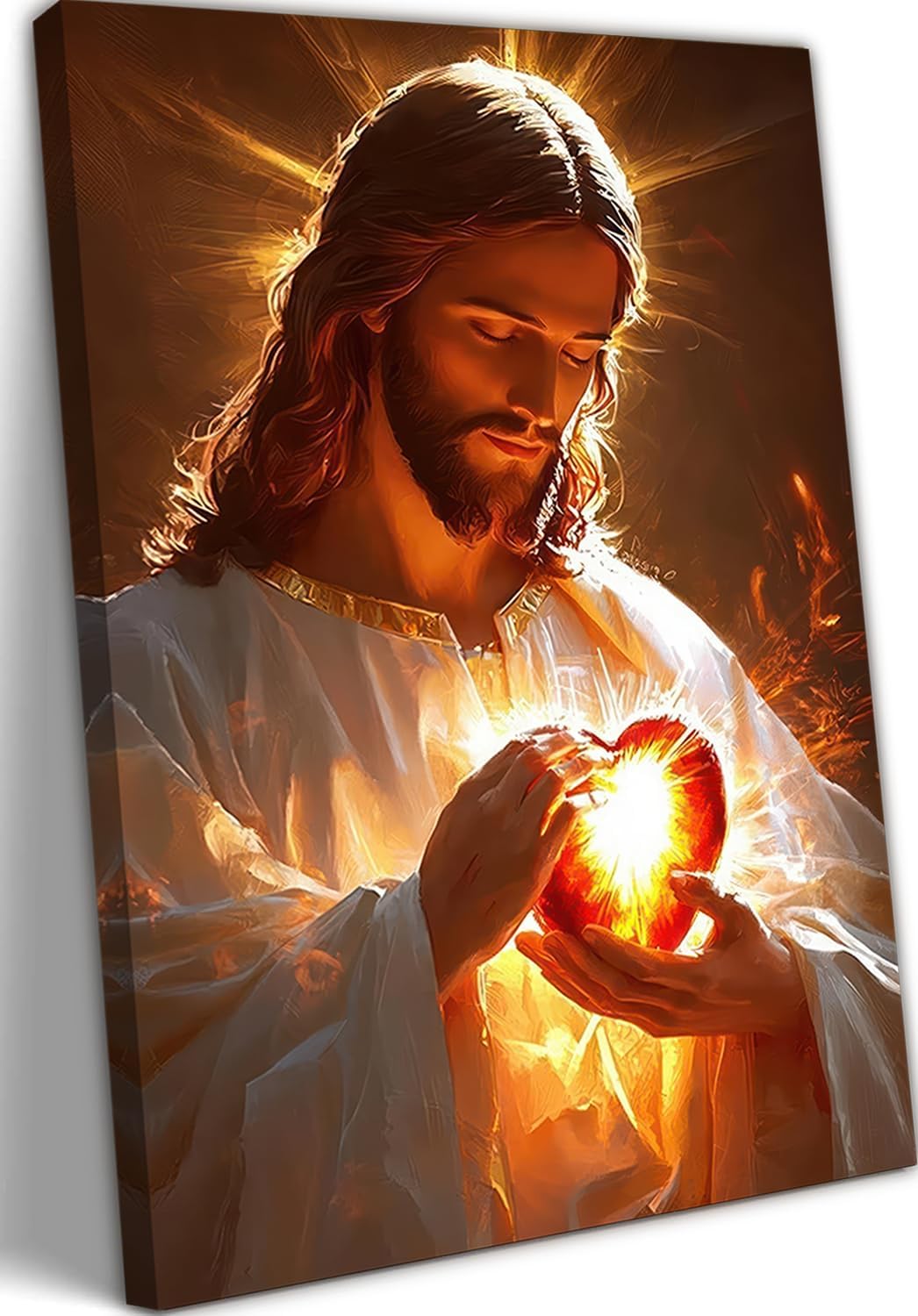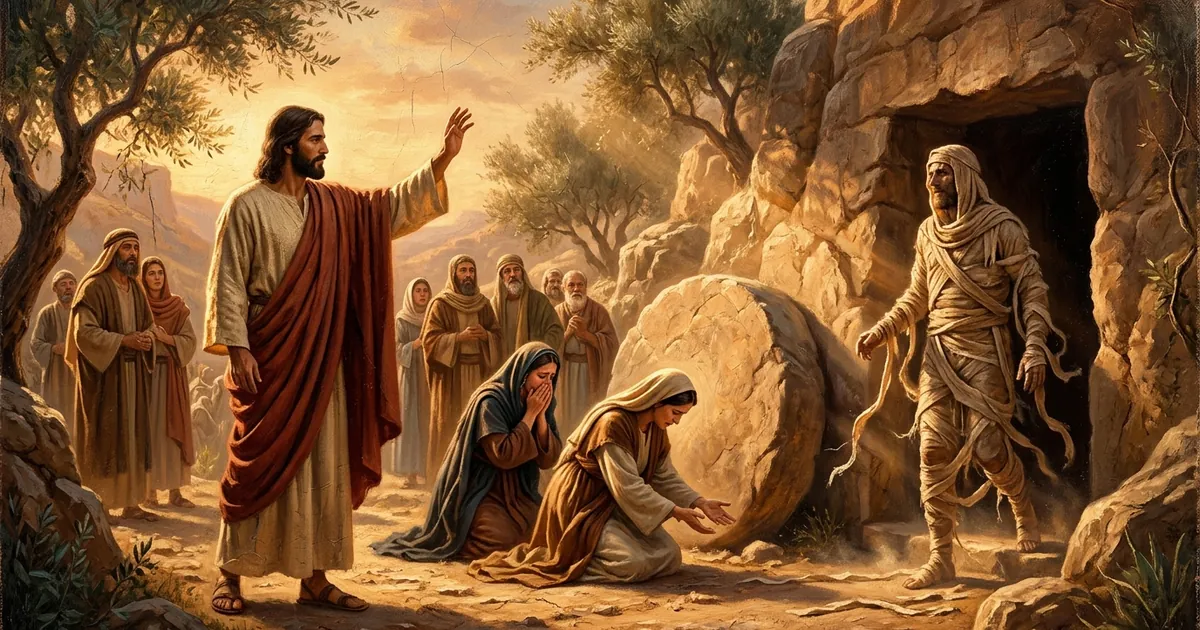
As His public ministry nears its climax before the final Passover in Jerusalem, Jesus receives word from Bethany that His beloved friend Lazarus, the brother of Martha and Mary, is gravely ill (John 11:1–45). Instead of hurrying to Judea, Jesus remains two days beyond the Jordan, declaring that 'this illness is not to end in death, but is for the glory of God, that the Son of God may be glorified through it' (John 11:4). When Jesus arrives at Bethany, Lazarus has lain in the tomb for four days—signifying in Jewish tradition the irreversible finality of death. In Catholic theology, the raising of Lazarus is the seventh and greatest of the signs in John's Gospel, revealing Christ as the Lord of life and prefiguring both His Resurrection and the bodily resurrection of the faithful on the last day (CCC 994, 2604).
"I Am the Resurrection and the Life": Martha's Confession of Faith
Hearing that the Master is approaching, Martha goes out to meet Him with a cry mingling grief and trust: 'Lord, if you had been here, my brother would not have died' (John 11:21). When Jesus assures her that her brother will rise, Martha affirms her belief in the general resurrection on the last day. Jesus then elevates her faith to His own divine Person through the fifth great 'I Am' (Ego eimi) declaration in John's Gospel. Echoing the liturgical Psalms of hope—'With the Lord there is mercy and fullness of redemption' (Psalm 130:7)—Christ proclaims that eternal life is already present in whoever believes in Him.
"Jesus told her, 'I am the resurrection and the life; whoever believes in me, even if he dies, will live, and everyone who lives and believes in me will never die. Do you believe this?' She said to him, 'Yes, Lord. I have come to believe that you are the Christ, the Son of God, the one who is coming into the world.'"
— John 11:25–27 (New American Bible, Revised Edition)
Martha's response stands beside Saint Peter's confession at Caesarea Philippi as a supreme Christological profession in the New Testament. Illuminated by the Holy Spirit, she recognizes that Jesus is the Messianic Son of God whose life-giving word triumphs over the grave.
The Tears of Christ, the Stone Rolled Away, and the Voice That Awakens the Dead
When Mary and the mourners lead Jesus to the tomb, the Evangelist records that Jesus was 'perturbed and deeply troubled' and that 'Jesus wept' (John 11:33–35). Christ's tears manifest the authentic compassion of the Incarnate Word, who shudders before the tyranny of sin and death. Commanding the bystanders to take away the stone despite Martha's warning of the four-day stench, Jesus lifts His eyes to heaven in filial thanksgiving—a prayer the Catechism highlights because the Son thanks the Father before the miracle even occurs (CCC 2604).
"And Jesus raised his eyes and said, 'Father, I thank you for hearing me. I know that you always hear me; but because of the crowd here I have said this, that they may believe that you sent me.' And when he had said this, He cried out in a loud voice, 'Lazarus, come out!' The dead man came out, tied hand and foot with burial bands, and his face was wrapped in a cloth. So Jesus said to them, 'Untie him and let him go.'"
— John 11:41b–44 (New American Bible, Revised Edition)
In his Tractates on the Gospel of John (Tractate 49), Saint Augustine interprets the raising of Lazarus both historically and sacramentally. Just as Lazarus lay buried four days beneath a heavy stone, the habitual sinner lies crushed under transgression until Christ's grace calls him forth into confession; and when Jesus commands His disciples, 'Untie him and let him go,' He entrusts to the Church's priesthood the power to absolve penitents in the Sacrament of Reconciliation (CCC 1444).
Key Takeaways
- The Seventh Johannine Sign: Raising Lazarus after four days in the tomb crowns Jesus' public miracles and prefigures His own Paschal Resurrection.
- Christ as Resurrection in Person: By declaring 'I am the resurrection and the life' (John 11:25), Jesus reveals that eternal life begins now through faith and Baptism (CCC 994).
- The Sacred Tears of Jesus: Christ weeping at Bethany demonstrates the union of His true human tenderness and divine power over death.
- Filial Thanksgiving Prayer: Jesus' prayer—'Father, I thank you for hearing me'—teaches believers to pray with thanksgiving and filial confidence (CCC 2604).
- Sacramental Loosing from Sin: Following Saint Augustine, the Church sees in 'Lazarus, come out!' and 'Untie him' an image of Christ calling sinners to repentance and absolving them through His priests.
Walking Unbound in the Newness of Risen Life
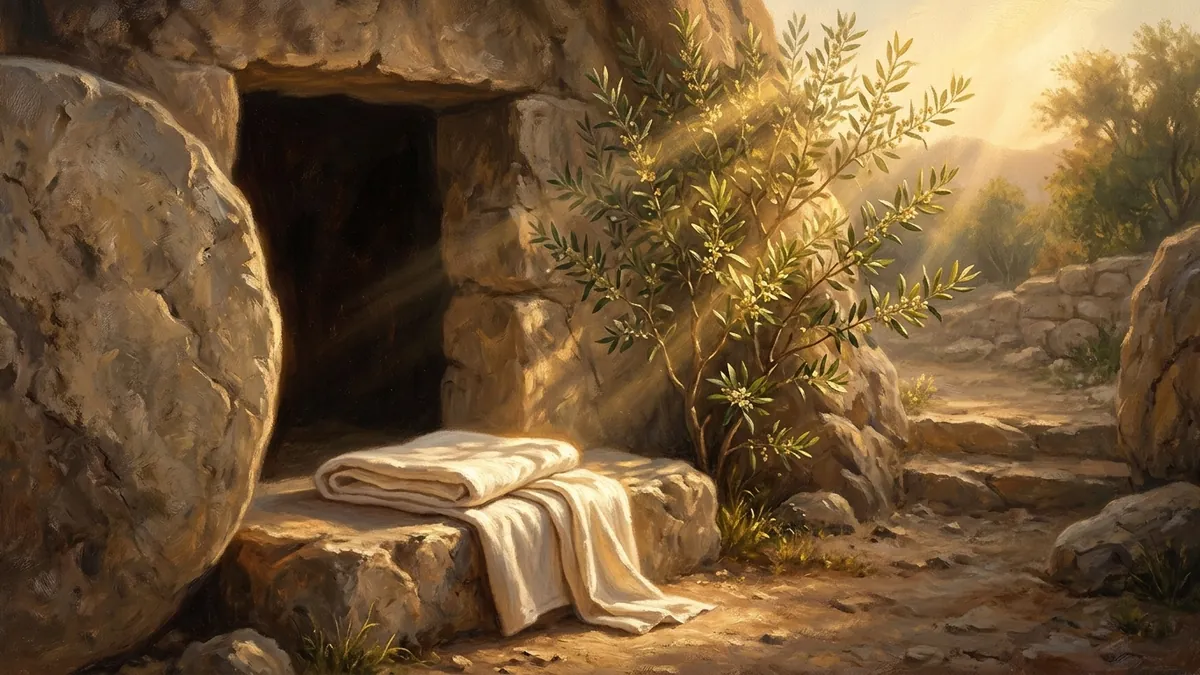
How does the miracle at Bethany speak to Christian discipleship today? In every season of grief, spiritual paralysis, or habitual sin, Christ approaches the tombs of our hearts and commands the stone of despair to be rolled away. Through the life-giving Holy Spirit, the Eucharistic Bread of Life, and the maternal intercession of the Blessed Virgin Mary, Jesus calls each of us by name to step out of the shadows of death and walk unbound in the freedom of God's children.