What Are the Parables of Jesus?
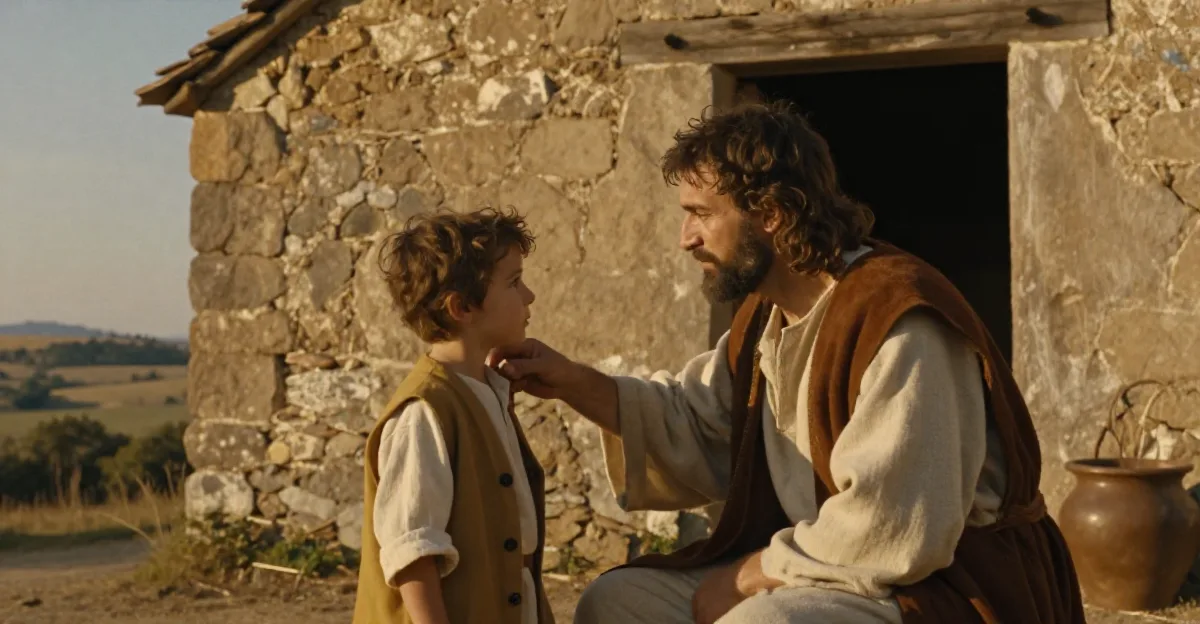
The parables of Jesus are short, metaphorical narratives drawn from everyday first-century life that reveal the mysteries of God's Kingdom. The Greek word parabolē (παραβολή) literally means "a placing beside," indicating a comparison between a familiar earthly story and a profound heavenly truth. Jesus employed this teaching method to simultaneously conceal and reveal divine truths, fulfilling the prophecy of Psalm 78:2: "I will open my mouth in parables; I will utter hidden things from of old." According to Mark 4:33-34, Jesus taught the crowds exclusively in parables, speaking "as much as they were able to hear." This approach invited listeners into active participation, requiring them to wrestle with the meaning rather than passively receive information.
Why Did Jesus Teach in Parables?

Jesus' use of parables served a dual purpose: revelation for the receptive and concealment for the resistant. In Matthew 13:10-17, the disciples asked directly why He spoke in parables, and Jesus quoted Isaiah 6:9-10, explaining that parables separate those with hearts open to God's Kingdom from those hardened by unbelief. Parables functioned as subversive stories that overturned conventional expectations. The Good Samaritan redefined "neighbor" beyond ethnic boundaries. The Prodigal Son scandalized listeners by portraying God's extravagant mercy toward the undeserving. These narratives were not mere illustrations but theological weapons that dismantled assumptions and invited radical reorientation toward God's reign.
How to Study Any Parable: A Proven Framework
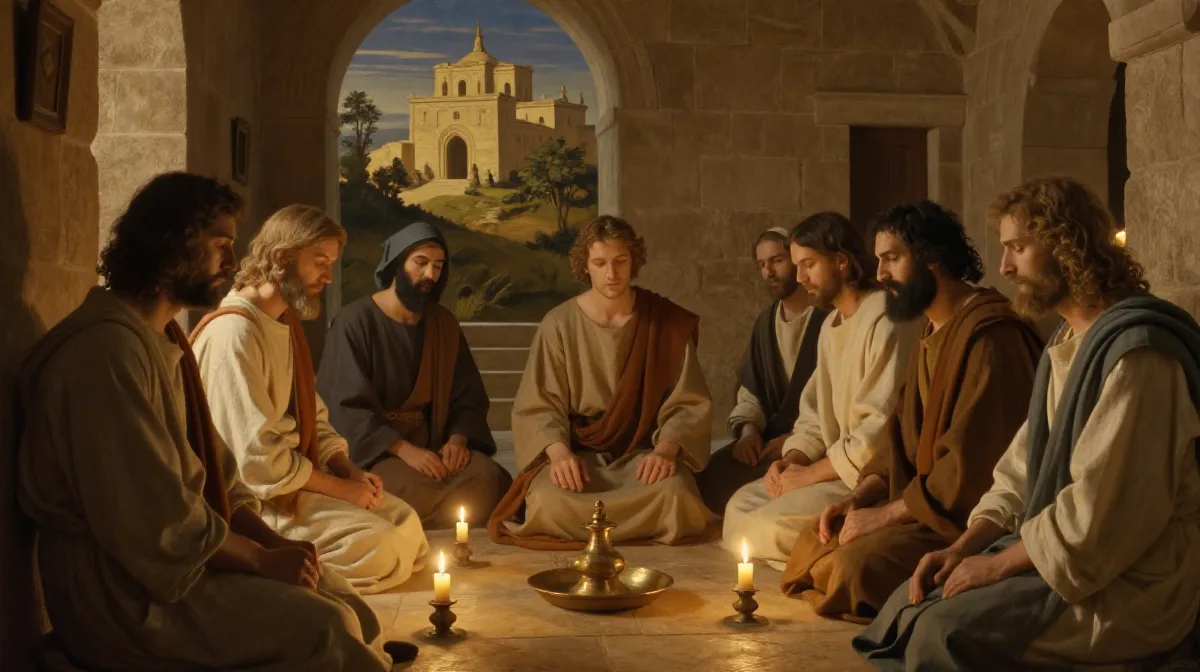
Begin by identifying the original audience and their cultural expectations. Ask: What would a first-century Jewish listener have assumed about the characters in this story? Next, locate the "shock point" — the moment where the narrative subverts expectations. In the Parable of the Workers in the Vineyard (Matthew 20:1-16), the shock arrives when the landowner pays all workers equally regardless of hours labored. Then, examine the original Greek for key terms that carry theological weight. Finally, apply the parable's truth to your own life through honest reflection. This method transforms passive reading into active encounter with the living Word, allowing the parable to speak freshly into contemporary circumstances.
What Do the Parables Reveal About God's Kingdom?
The parables collectively paint a breathtaking portrait of God's Kingdom as both already present and not yet fully realized. The Mustard Seed and Leaven parables (Matthew 13:31-33) depict the Kingdom's humble beginnings and inevitable expansion. The Hidden Treasure and Pearl of Great Price (Matthew 13:44-46) emphasize its surpassing worth. The Wheat and Weeds (Matthew 13:24-30) explain why evil persists alongside good until the final harvest. Through these stories, Jesus communicates that God's reign operates by inverted values: the last become first, the lost are found, and the merciful receive mercy. Each parable is a window into the heart of the Father, revealing a God who searches for the wandering, celebrates the returning, and lavishes grace beyond human calculation.
How Can You Apply the Parables Today?
The parables demand personal response. As you study each one, place yourself inside the story. In the Parable of the Two Debtors (Luke 7:41-43), are you the one who owed little or much? In the Persistent Widow (Luke 18:1-8), does your prayer life reflect her tenacity or your own weariness? Create space for silence after reading, allowing the Holy Spirit to illuminate where the parable intersects your specific circumstances. Share your insights in community, as the parables were always meant to be discussed, debated, and lived out together. Journal the questions that arise, revisit them weekly, and watch how the same parable yields new fruit across different seasons of your spiritual journey.
- Jesus told over 37 parables, each revealing a distinct facet of God's Kingdom
- The Greek word parabolē means "placing beside" — comparing earthly stories to heavenly truths
- Parables both reveal truth to seekers and conceal it from the hardened
- Every parable contains a "shock point" that overturns human expectations
Conclusion: Entering the World of the Parables
The parables of Jesus remain the most powerful teaching tool ever deployed on earth. They are not ancient relics but living words that continue to confront, comfort, and convert every generation. By studying them with scholarly rigor and devotional openness, you position yourself to hear the Master's voice with fresh clarity. Let these stories reshape your imagination, recalibrate your values, and draw you deeper into the mystery of the Kingdom. The parables invite you not merely to understand God but to encounter Him — and that encounter changes everything.