What Is Fr. Mike Schmitz's Parables Tour About?
Fr. Mike Schmitz's Parables Tour is a 90-minute presentation exploring four of Jesus' most beloved parables: the Lost Sheep, the Lost Coin, the Prodigal Son, and the Good Samaritan. Grounded in Sacred Scripture and delivered with his trademark passion, Fr. Mike reveals how each parable exposes the radical, relentless love of God for the lost, the broken, and the overlooked. The tour combines a 45-minute keynote with a 45-minute Q&A, inviting audiences into a deeper encounter with the Gospel.
These four parables, drawn from
Luke 15:1–16:31and
Luke 10:25–37, form a unified theological arc. Together, they answer the question the Pharisees asked in frustration: why does Jesus eat with sinners? The answer is that God Himself searches, sweeps, runs, and binds wounds to restore what was lost.
Why Did Jesus Tell the Parables of the Lost Sheep and Lost Coin?
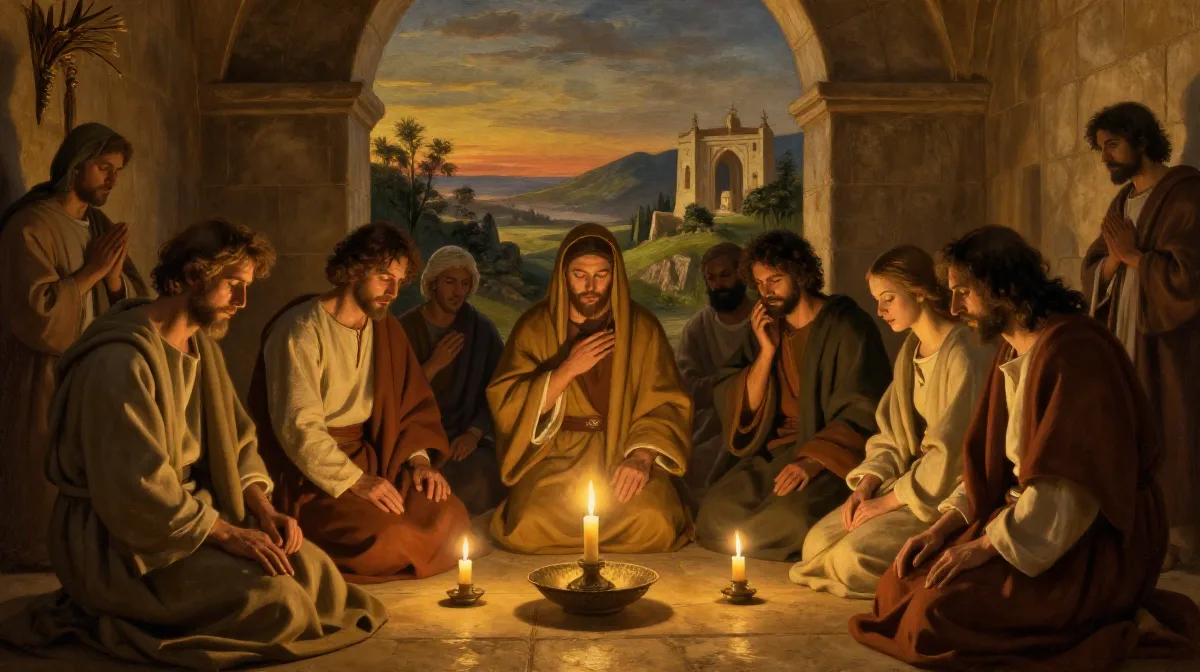
In Luke 15:1–10, Jesus tells two parables about things lost and found: a sheep (one out of a hundred) and a coin (one out of ten). The historical context is critical. The Pharisees and scribes were grumbling that Jesus welcomed sinners. These parables are Jesus' direct response, revealing the heart of the Father.
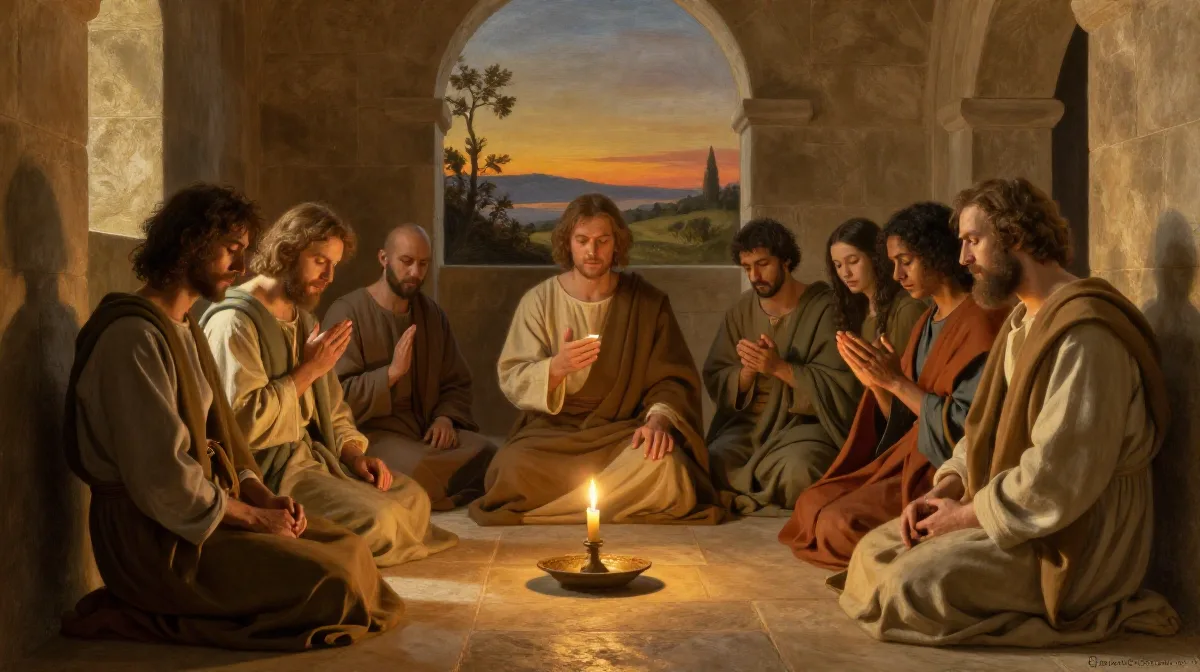
Fr. Mike emphasizes a detail many overlook: the shepherd leaves ninety-nine sheep to search for one. In first-century Palestinian economics, this is reckless. Yet Jesus says there is more joy over the one repentant sinner than over ninety-nine righteous persons who need no repentment (Luke 15:7). The Lost Coin parable mirrors this urgency. A woman lights a lamp, sweeps her entire house, and searches diligently until she finds what was lost. Fr. Mike notes that God does not passively wait for us to return. He actively searches, illuminates, and sweeps away every obstacle between Himself and His beloved children.
Traditional Catholic scholarship, from St. Augustine to Pope Benedict XVI, has highlighted that the coin bears the king's image. We are lost, but we are never valueless. We carry the imprint of God. Fr. Mike's unique contribution is making this ancient truth visceral: you are not a project God tolerates. You are a treasure He will not stop seeking.
How Does the Prodigal Son Reveal the Father's Heart?
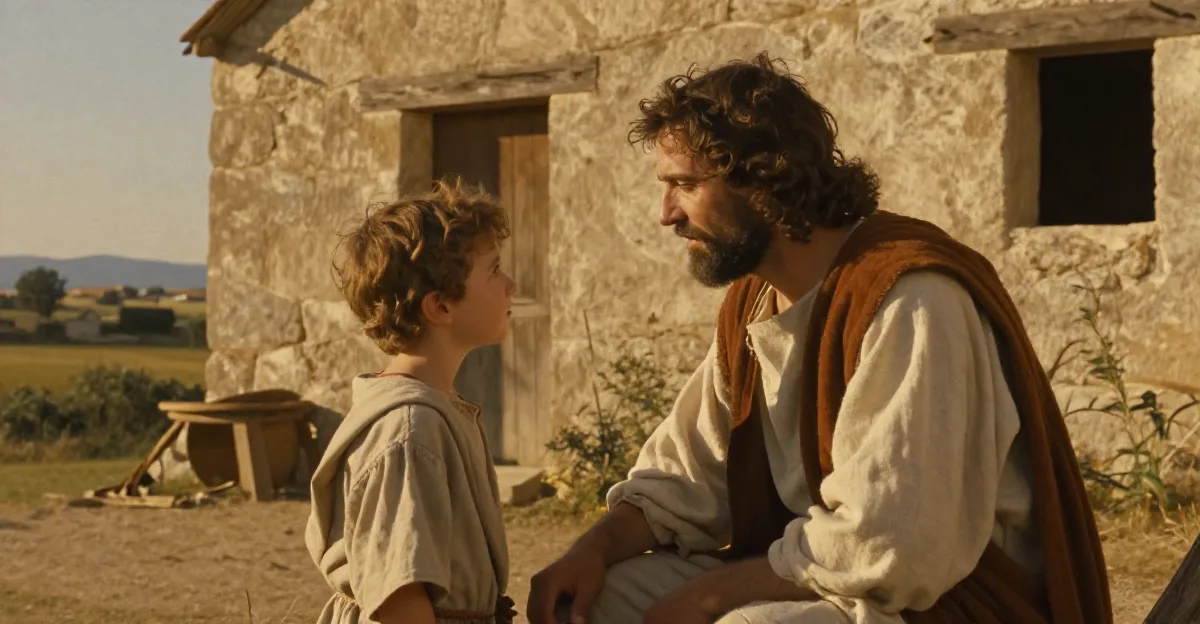
The Parable of the Prodigal Son in Luke 15:11–32 is often called the heart of all parables. Fr. Mike's interpretation focuses on the father's actions: he sees his son while he is still far off, runs to him, embraces him, and restores him before the son can finish his rehearsed speech. In the ancient Near East, a dignified man never ran. It was considered shameful. Yet the Father in this parable abandons dignity for love.
Fr. Mike draws a sharp contrast between the younger son, who is lost by running away, and the older son, who is lost by never leaving but never loving. Both are alienated from the father. The older son's resentment reveals a transactional relationship with God: I slaved for you and never disobeyed (Luke 15:29). Fr. Mike challenges modern Catholics to examine whether their faith is rooted in love or in mere obligation.
Compared to traditional scholarship that emphasizes the younger son's repentance, Fr. Mike shifts the spotlight to the father's initiative. Grace is not earned by returning. Grace is already running toward you. This aligns with the Catechism's teaching that God's love is prior to and independent of our response (CCC 604).
What Makes the Good Samaritan a Subversive Masterpiece?
The Parable of the Good Samaritan in Luke 10:25–37 is Jesus' answer to a lawyer's question: Who is my neighbor? A priest and a Levite pass by a half-dead man. A Samaritan, despised by Jews, stops and cares for him. Fr. Mike highlights the cultural shock value: the hero of the story is the one person his audience would least expect.
The Samaritan pours oil and wine on the wounds, sets the man on his own animal, brings him to an inn, and pays for his care. Fr. Mike connects this to Christ Himself, who pours out the oil of consolation and the wine of His own sacrifice to heal humanity's wounds. The inn represents the Church, where the wounded are cared for until the Master returns.
Traditional Catholic exegesis, particularly from the Church Fathers like Origen and St. Ambrose, reads this parable allegorically: the man is Adam, fallen among thieves (demons); the Samaritan is Christ; the inn is the Church. Fr. Mike preserves this rich tradition while adding a practical challenge: stop asking who qualifies as your neighbor and start being a neighbor. The command is not go and identify but go and do likewise (Luke 10:37).
How Do These Four Parables Connect Thematically?
These four parables are not isolated stories. They form a single, cascading revelation of God's love. The shepherd searches. The woman sweeps. The father runs. The Samaritan stops and heals. Each parable escalates the intensity of divine pursuit. God does not merely notice our loss. He enters our mess.
Fr. Mike's tour weaves these together under one banner: the Kingdom's currency is mercy. Forgiveness is not optional. Love is not passive. God's response to human brokenness is always movement toward us. This theological thread connects directly to Matthew 18:21–35, where Jesus teaches that those who have received mercy must extend it. The Unforgiving Servant parable warns that refusing to forgive is refusing the very logic of the Kingdom.
How Can You Live Out These Parables Today?
Fr. Mike's presentations always move from head to heart to hands. Here are practical applications for each parable:
- Lost Sheep: Reach out to one person who has drifted from the faith. A text, a call, a meal. Be the shepherd who leaves the ninety-nine.
- Lost Coin: Remember your own worth in God's eyes. When shame tells you that you are worthless, light the lamp of truth and sweep away the lies.
- Prodigal Son: Examine whether you relate to God as a Father or as a boss. Return to confession not as a slave reporting for duty but as a child running home.
- Good Samaritan: This week, stop for one person others would walk past. The wounded neighbor is not an interruption. He is the assignment.
How Should You Prepare for the Parables Tour?
To maximize your experience at Fr. Mike's Parables Tour, prepare your heart and mind beforehand. Read Luke 10:25–37 and Luke 15:1–16:31 in full before attending. Pray with each parable slowly, asking the Holy Spirit to reveal where you are the lost sheep, the lost coin, the prodigal, the wounded traveler, or the Samaritan. Bring a Bible and a journal. The Q&A portion often addresses personal struggles, and having Scripture at hand will deepen your engagement.
Key Takeaways
- Fr. Mike Schmitz's Parables Tour covers the Lost Sheep, Lost Coin, Prodigal Son, and Good Samaritan in a 90-minute format combining Scripture, storytelling, and Q&A.
- These four parables reveal a unified theme: God actively searches, restores, and heals those who are lost, broken, or overlooked.
- Fr. Mike's interpretive lens emphasizes God's initiative in grace, challenging Catholics to move from obligation-based faith to love-based relationship.
- Practical application requires concrete action: reaching the drifting, remembering your worth, returning to the Father, and becoming a neighbor to the wounded.
Conclusion
Fr. Mike Schmitz's Parables Tour is more than a speaking event. It is an invitation to see the face of God in the stories Jesus told to shatter religious complacency. The Lost Sheep, the Lost Coin, the Prodigal Son, and the Good Samaritan are not ancient artifacts. They are living words that confront every generation with the same question: will you let God love you, and will you let that love move through you to a world that is lost, swept over, wounded, and waiting by the road?