Introduction: What Is Faith Deconstruction in the Prodigal Son?
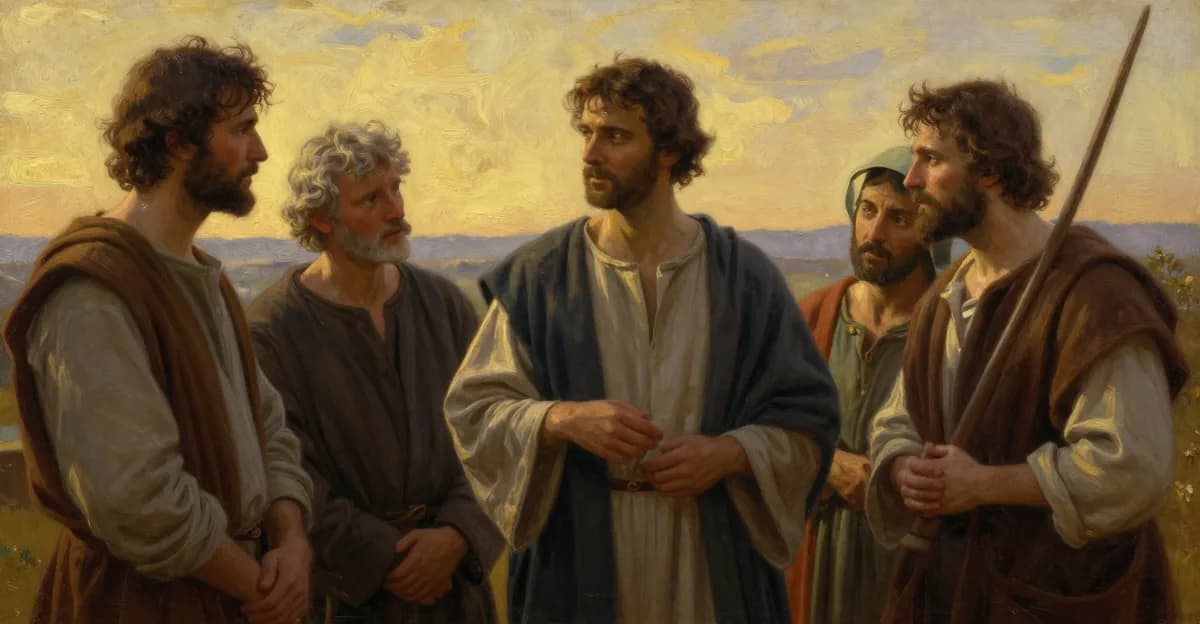
Faith deconstruction in the Parable of the Prodigal Son describes the painful but often necessary process of questioning inherited beliefs, symbolized by the younger son’s journey into the far country. Rather than mere rebellion, this spiritual unraveling can become a sacred pathway toward authentic reconstruction when met with divine grace.
In today’s digital age, algorithm-driven communities often accelerate religious doubt, leaving many believers feeling spiritually homeless. Online forums frequently amplify religious trauma, yet the Gospel offers a counter-narrative where questioning becomes a doorway to deeper communion. Jesus’ narrative in Luke 15:11-32 reframes this crisis not as abandonment, but as a pilgrimage toward mature discipleship. When approached through a trauma-informed lens, deconstruction becomes a necessary pruning of performance-based religiosity. The Catholic tradition recognizes that honest questioning, when anchored in charity, is often the first step toward a faith that can withstand modern cultural pressures and personal suffering.
Core Analysis: Why Did the Younger Son Enter the Far Country?
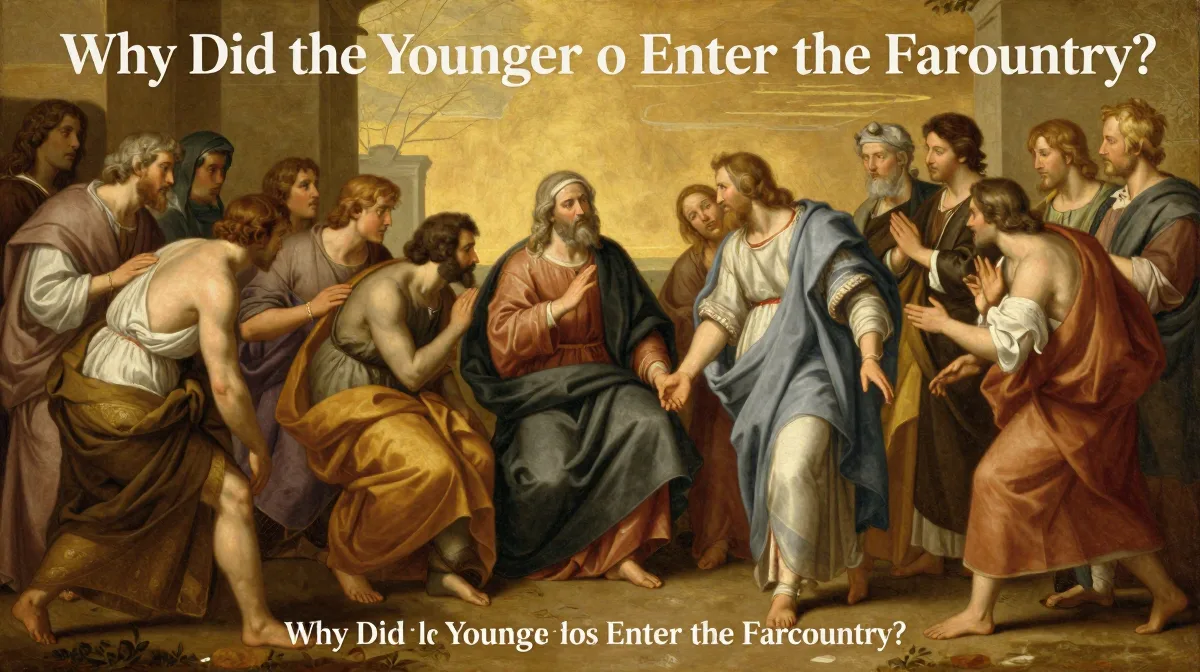
The “far country” represents the psychological and spiritual space where inherited doctrines collapse under the weight of unmet expectations, trauma, or intellectual crisis. Historically, first-century Jewish listeners would have recognized the younger son’s demand for his inheritance as a profound rupture of covenantal family bonds. Yet Jesus deliberately highlights the moment of clarity that follows exhaustion:
“But when he came to himself, he said, ‘How many of my father’s hired servants have more than enough bread, but I perish here with hunger!’” (Luke 15:17)
This awakening is not merely intellectual; it is somatic and emotional. Clinical psychology affirms that safe relational attachment must precede cognitive restructuring, mirroring the son’s gradual return to paternal trust. Healthy deconstruction, therefore, requires lament, honest inventory, and the courage to release toxic religious performance. It is the necessary dismantling of a fragile, fear-based faith so that a resilient, grace-centered trust may be rebuilt upon the solid rock of Christ’s unconditional love.
Practical Application: How Does the Father’s Embrace Guide Reconstruction?
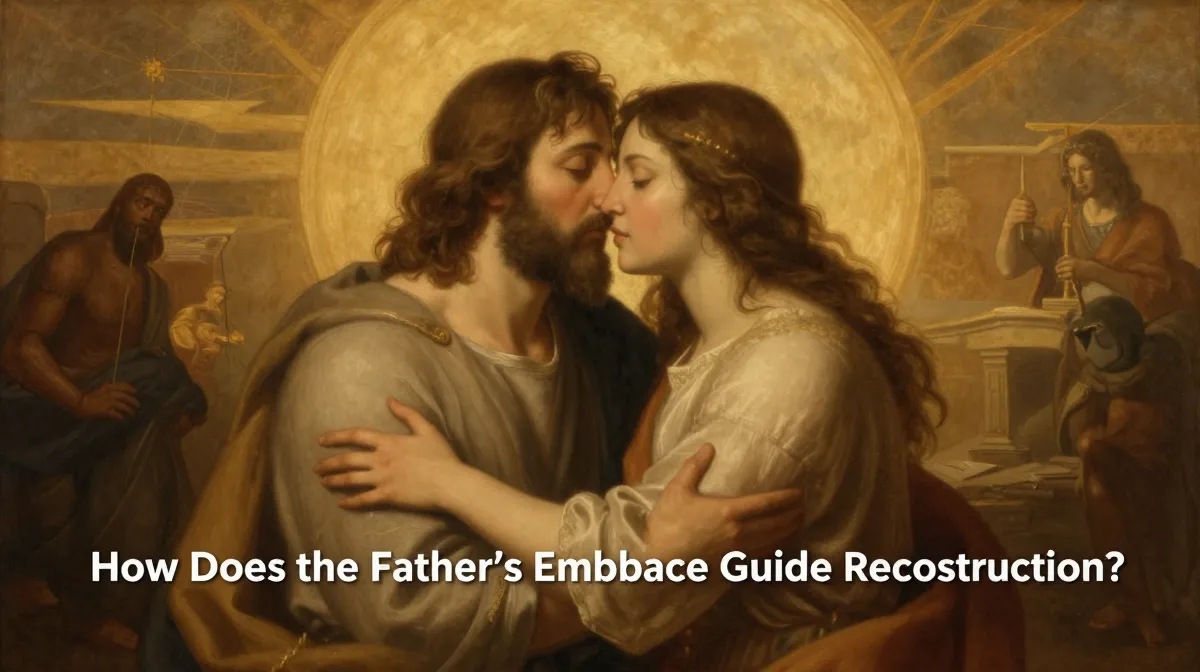
Reconstruction begins not with doctrinal arguments, but with embodied grace. According to Luke 15:20:
“While he was still a long way off, his father saw him and felt compassion, and ran and embraced him and kissed him.” (Luke 15:20)
The Movements of Spiritual Rebuilding
In Middle Eastern culture, an elderly patriarch running was undignified, yet God the Father willingly absorbs shame to restore His child. This proactive mercy provides the psychological safety required for faith rebuilding. The Mass becomes the daily training ground where fractured narratives are surrendered and reassembled within the Body of Christ. A trauma-informed reconstruction framework unfolds through liturgical reintegration, contemplative Scripture reading, and intentional community that resists the “older brother” mindset of rigid moralism. The older brother’s resentment warns us that reconstruction fails when churches prioritize rule-keeping over relational healing. True restoration demands patient accompaniment, doctrinal anchors rooted in apostolic tradition, and daily practices that train the heart to receive unmerited love.
- Deconstruction is often a necessary pruning of performance-based religion, not a rejection of God Himself.
- The father’s proactive embrace in Luke 15 provides the psychological safety required for authentic faith reconstruction.
- Sacramental participation, contemplative prayer, and trauma-informed community prevent reconstruction from becoming cynical or unanchored.
- Overcoming the “older brother” mindset ensures the Church becomes a sanctuary for returnees rather than a courtroom.
Conclusion: Returning Home with Renewed Trust
The Parable of the Prodigal Son ultimately reveals that faith reconstruction is less about rebuilding a perfect theological system and more about returning to a Person. Jesus crafts this narrative to assure every wandering soul that the Father’s house remains open, the robe of dignity is prepared, and the feast of reconciliation awaits. This parable assures modern seekers that spiritual wandering, when surrendered to grace, ultimately deepens theological maturity and compassionate discipleship. In an era of digital fragmentation and spiritual exhaustion, the Catholic response must mirror the Father’s reckless mercy: listen without condemnation, accompany without coercion, and anchor reconstruction in the living Tradition of the Church. When doubt is met with patient love, the far country becomes a classroom rather than a graveyard. Step out of the shadows of shame, embrace the sacramental rhythm of return, and allow the Holy Spirit to reconstruct your faith on the unshakable foundation of divine filiation. You are not a spiritual orphan; you are a beloved child coming home.