What Is the Parable of the Sower?
Recorded in the Synoptic Gospels, this foundational teaching from Jesus of Nazareth uses agricultural imagery familiar to first-century Galilean farmers to explain the Kingdom of Heaven.
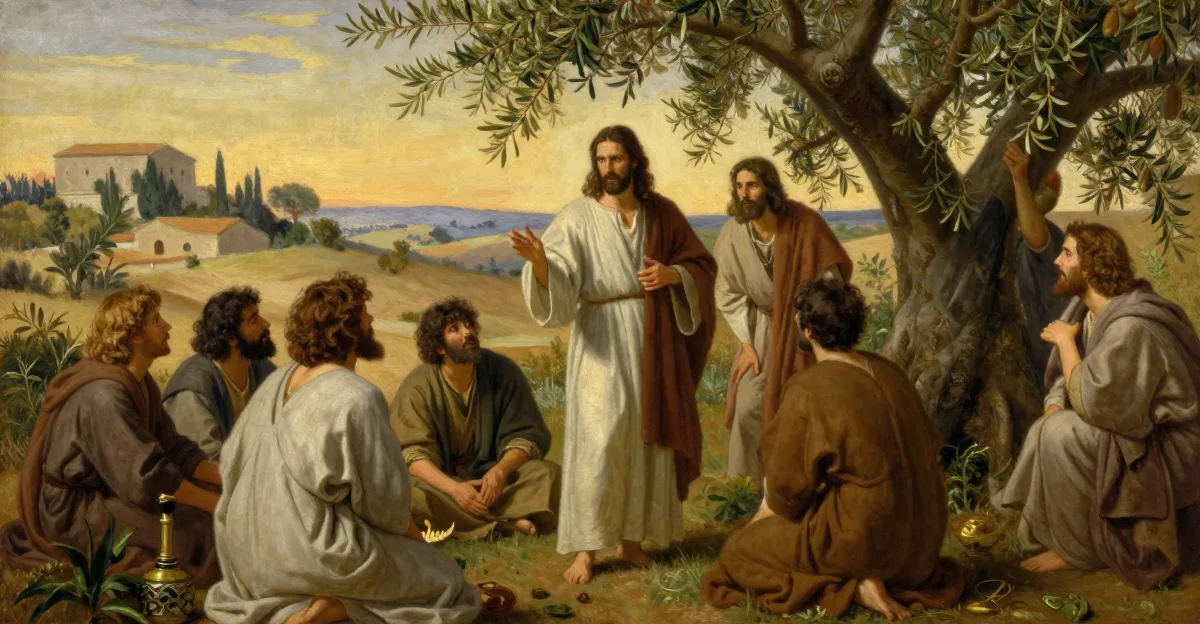
“A sower went out to sow. And as he sowed, some seeds fell along the path, and the birds came and devoured them.”According to Matthew 13:3, the sower scatters seed across varied terrain, producing dramatically different harvests. The seed represents the eternal Word of God, while the ground symbolizes the human heart receiving it. Catholic theology emphasizes that grace is universally offered, yet human freedom determines how deeply that grace takes root. The parable is not merely a moral lesson but a profound revelation of divine-human cooperation. When we listen to Scripture, we are not passive observers; we are active participants in a sacred cultivation process. The early Church Fathers recognized this text as a mirror for spiritual self-examination, urging believers to assess whether their lives are aligned with God’s redemptive purposes. Saint Augustine frequently preached on this text, reminding Christians that the soil must be broken open by humility before it can receive divine truth. Understanding this parable transforms how we approach daily prayer, Scripture reading, and sacramental life.
Why Did Jesus Use Four Soil Types?
Diagnosing Your Spiritual Posture
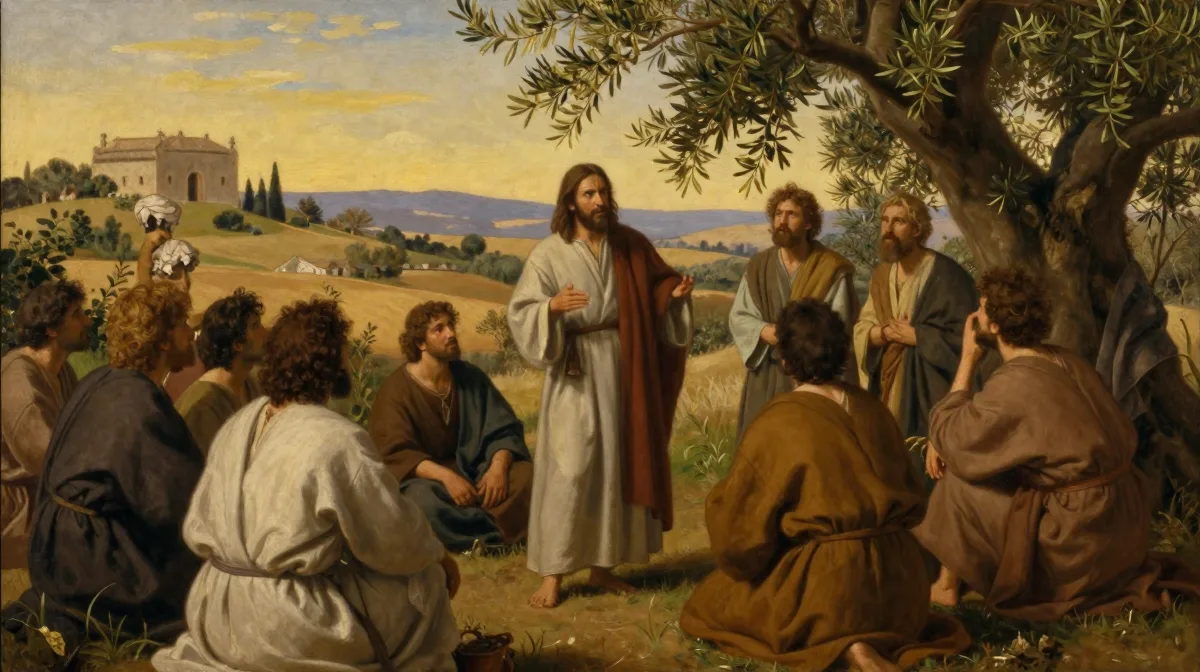
The four soils represent distinct spiritual postures that either hinder or nurture faith. The hardened path reflects a closed heart where the Word is quickly snatched away by doubt or spiritual apathy. Rocky ground symbolizes superficial enthusiasm; initial joy lacks depth, causing believers to abandon faith when trials arise. Thorny soil illustrates divided loyalty, where worldly anxieties, consumerist pursuits, and digital distractions choke spiritual vitality. Finally, good soil represents a receptive, persevering heart that yields abundant fruit through patient obedience. As Jesus explains in Matthew 13:23, the good soil produces a harvest of thirty, sixty, or a hundredfold, demonstrating that spiritual maturity is measured by faithful endurance rather than immediate results. Each soil type reveals a specific obstacle to sanctification. Modern culture amplifies these barriers through performance anxiety, algorithmic overload, and relentless productivity demands. Recognizing these patterns allows us to diagnose our current spiritual condition and seek the healing grace necessary for transformation. This diagnostic framework helps believers recognize that spiritual dryness often stems from neglected interior maintenance rather than divine abandonment. Soil is never permanently fixed; it responds to intentional care, repentance, and the Holy Spirit’s gentle work.
How Does Spiritual Soil Cultivation Work?
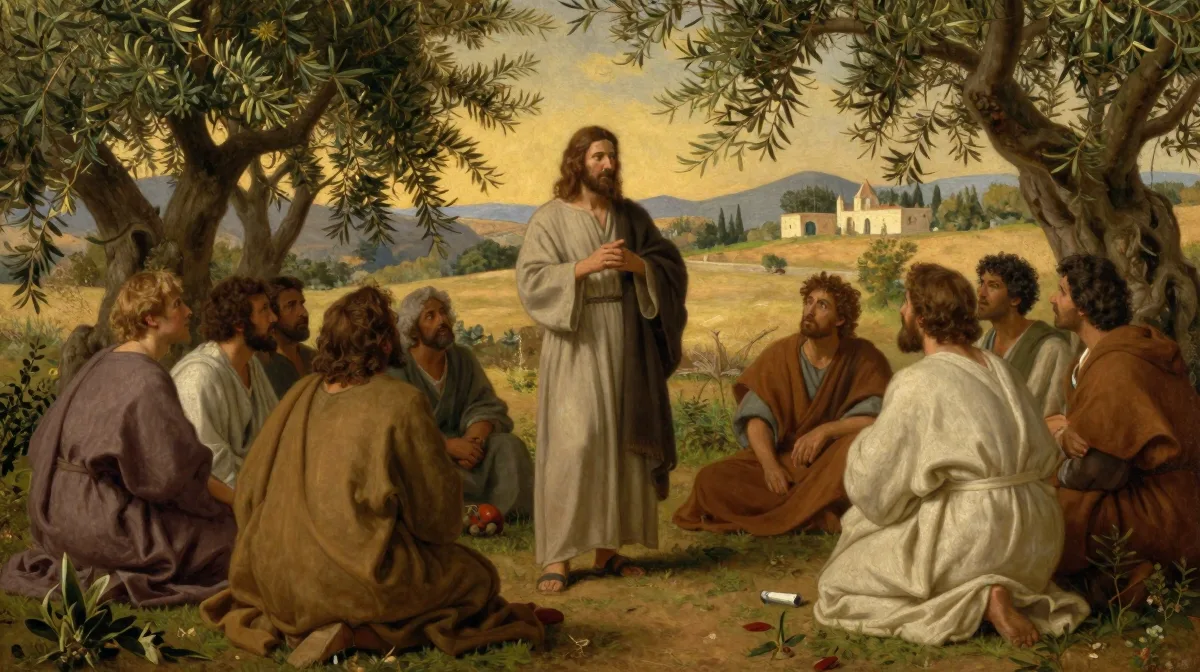
Cultivating good soil requires deliberate, grace-filled practices that address the root causes of spiritual stagnation. Just as agricultural science tests pH levels and amends drainage, we must regularly examine our interior life through honest prayer and spiritual direction. Removing the rocks of unhealed wounds demands sacramental reconciliation and patient trust in God’s timing. Uprooting thorny distractions involves establishing digital boundaries, practicing Sabbath rest, and prioritizing contemplative silence over constant consumption. Companion planting in the spiritual life means surrounding ourselves with faithful mentors, parish communities, and accountability partners who encourage steady growth. According to Luke 8:15, those who hear the Word with a noble and good heart retain it and bear fruit through perseverance. This process mirrors the Catholic understanding of sanctification: God provides the seed, but we must till the ground. A ninety-day cultivation plan might include daily Lectio Divina, weekly Eucharistic adoration, and intentional acts of charity that break the grip of self-centeredness. Spiritual soil shifts with life seasons, requiring adaptable practices that honor both human responsibility and divine sovereignty.
- Heart condition determines how deeply God’s Word takes root and produces lasting fruit.
- Modern distractions and anxieties function as contemporary thorns that require intentional boundaries.
- Spiritual soil is dynamic, responding to repentance, sacramental grace, and consistent prayer.
- Community, accountability, and mentorship accelerate healthy spiritual cultivation.
Conclusion
The Parable of the Sower remains a timeless invitation to examine the landscape of our souls. Jesus does not condemn imperfect soil; He invites us to become co-laborers in its transformation. By embracing the sacraments, practicing spiritual disciplines, and surrendering our anxieties to God, we prepare our hearts for abundant harvests. Let us till the ground of our daily lives with hope, trusting that the Lord of the harvest will bring forth fruit in His perfect time. May we continually return to this sacred parable, allowing the Holy Spirit to soften our hearts and deepen our roots in Christ.