Holy Verses
Ìtúwò Ìgbàgbọ́ Ọmọ Oníwàrà àti Àtúnṣe
Àpèjúwe449 words

Ìtúwò Ìgbàgbọ́ Ọmọ Oníwàrà àti Àtúnṣe

Ṣàwárí bí Òwe Ọmọ Oníwàrà ṣe pèsè ìtọ́sọ́nà tó ní ìmọ̀ ìpalára fún ìtúwò ìgbàgbọ́ àti àtúnṣe. Ṣàwárí ọgbọ́n Kátólíìkì fún lílo iyèméjì, ìwòsàn ìpalára ẹ̀sìn, àti àtúnkọ́ ìgbẹ́kẹ̀lé tẹ̀mí nípasẹ̀ oore-ọ̀fẹ́ sákírámẹ́ńtì àti àwùjọ tí ń gbé ìgbésí-ayé.

Ìfihàn: Kí Ni Ìtúwò Ìgbàgbọ́ Nínú Ọmọ Oníwàrà?

Ìtúwò ìgbàgbọ́ nínú Òwe Ọmọ Oníwàrà ṣàpèjúwe ilànà tí ń dunni ṣùgbọ́n tí ó sábà jẹ́ dandan láti ṣàyẹ̀wò àwọn ìgbàgbọ́ àbádó̩gba, tí a fi àmìì àkúnya ọmọ kékeré lọ sí ilẹ̀ ọ̀nà jíjìn. Dípò ìṣọ̀tá lásán, ìtúká tẹ̀mí yìí lè di ọ̀nà mímọ́ sí àtúnṣe tòótọ́ nígbà tí a bá pàdé oore-ọ̀fẹ́ Ọlọ́run.

Ní ìgbà ìmọ̀ ẹ̀rọ òde òní, àwùjọ tí a ń darí nípasẹ̀ àlùmọ́ọ́rì sábà ń yára mú iyèméjì ẹ̀sìn pọ̀ sí, tí ń fi ọ̀pọ̀lọpọ̀ onígbàgbọ́ sílẹ̀ láìní ilé tẹ̀mí. Àwọn ibi ìforọ̀kọ̀wé lórí Íńtánẹ́ẹ̀tì sábà ń mú ìpalára ẹ̀sìn pọ̀ sí, síbẹ̀ Ìhìn Rere fi àkọsílẹ̀ tí ń tako èyí hàn, níbi tí bíbéèrè ti di ẹnu-ọ̀nà sí ìbáṣepọ̀ tí ó jinlẹ̀. Ìtàn Jésù nínú Luku 15:11-32 tún ìdààmú yìí ṣe kún ọ̀nà, kì í ṣe gbígba kúrò nínú ohun gbogbo, ṣùgbọ́n gẹ́gẹ́ bí ìrìnàjò lọ sí ẹ̀kọ́ ọmọ-ẹ̀yìn tí ó ti dàgbà. Nígbà tí a bá wo ọ̀nà tí ó ní ìmọ̀ ìpalára, ìtúwò di gbígbẹ́ pàtàkì ti ẹ̀sìn tí ó da lórí ìṣe. Ìjọ Kátólíìkì mọ̀ pé ìbéèrè olóòótọ́, tí a dídì mọ́ ìfẹ́, sábà jẹ́ ìgbésẹ̀ àkọ́kọ́ sí ìgbàgbọ́ tí ó lè fara da àwọn ẹ̀dọ́kọ́ aṣà òde òní àti ìjìyà ara ẹni.

Àyẹ̀wò Àkọ́kọ́: Èéṣe Tí Ọmọ Kékeré Fi Lọ Sí Ilẹ̀ Ọ̀nà Jíjìn?
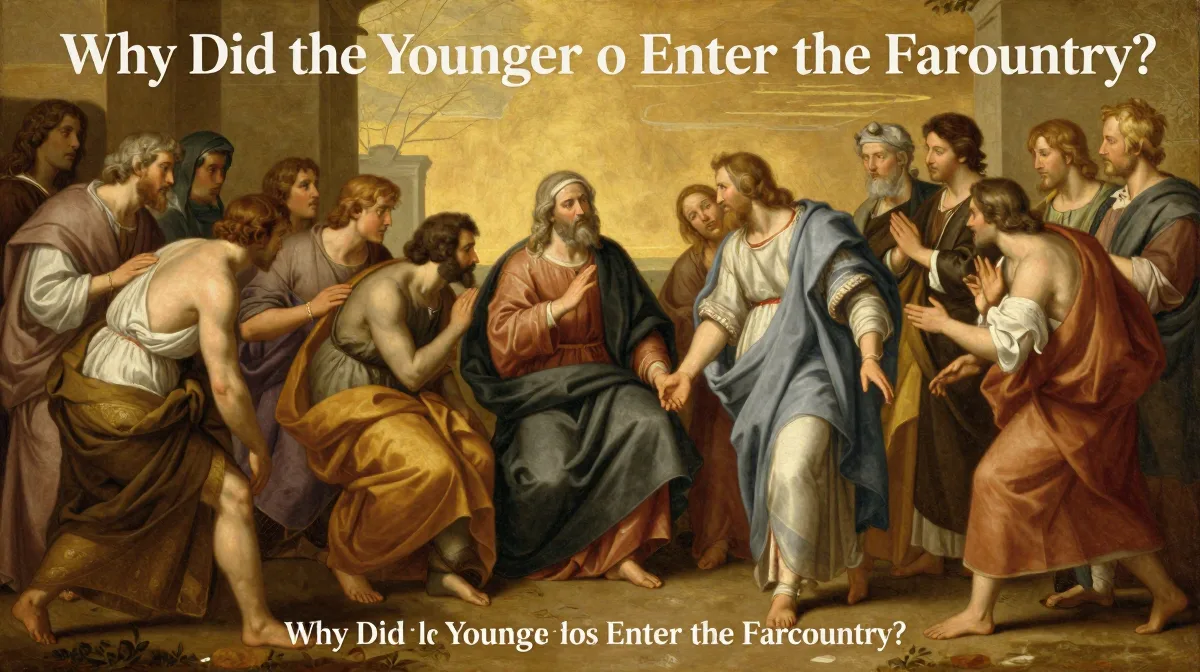
Àyẹ̀wò Àkọ́kọ́: Èéṣe Tí Ọmọ Kékeré Fi Lọ Sí Ilẹ̀ Ọ̀nà Jíjìn?

“Ilẹ̀ ọ̀nà jíjìn” dúró fún ààyè tí ẹ̀mí àti èrò inú níbi tí àwọn ẹ̀kọ́ àbádó̩gba ti wó lulẹ̀ nípa ìwọn àdánwò tí a kò retí, ìpalára, tàbí ìdààmú ọgbọ́n. Nínú ìtàn, àwọn olùgbọ́ Júù ti ọ̀rúndún kìíní ìbá mọ̀ pé béèrè fún ogún jẹ́ ìkọ̀kọ̀ àjọṣe ìdílé tó jinlẹ̀. Síbẹ̀, Jésù fi mọ̀ọ́mọ̀ ṣàfihàn àkókò ìmọ́lẹ̀ tí ó tẹ̀lé àárẹ̀:

“Ṣùgbọ́n nígbà tí ó wá sí ara rẹ̀, ó ní, ‘Àwọn ọ̀dọ̀-ọkùnrin tí a bágbà baba mi pàtàkì níwọ̀nba àkàrà tí wọ́n ti pọ̀jù, ṣùgbọ́n èmi ń kú níhìn-ín lórí ebi!’” (Luku 15:17)

Ìjíni yìí kì í ṣe ti ọ̀gbọ́n nìkan; ó jẹ́ ti ara àti ìmọ̀lára. Ìmọ̀ ìwòsàn èrò inú fìdí rẹ̀ múlẹ̀ pé kí àjọṣe àìséwu tó nífẹ̀ẹ́ tó lè ṣáájú àtúnṣe ìrònú, tí ń fi ohun tí ọmọ ṣe nípasẹ̀ rẹ̀ ṣàpẹẹrẹ. Nítorí náà, ìtúwò tó ní ìmọ̀ ìpalára nílò ẹkún, àkọsílẹ̀ òtítọ́, àti ìgboyà láti fi ẹ̀sìn ìṣe tí ń da lórí ìbẹ̀rù sílẹ̀. Ó jẹ́ dídànu pàtàkì ti ìgbàgbọ́ aláìlera tó da lórí ìbẹ̀rù, kí ìgbẹ́kẹ̀lé tó da lórí oore-ọ̀fẹ́, tó lè fara da, lè tún kọ́ sí orí àpáta ìfẹ́ aláìníbíkítà Kristi.

Àyẹ̀wò Ọwọ́: Báwo Ni Ìgbàgbọ́ Tí Ẹni Pápá Ṣe Ìtọ́sọ́nà Àtúnṣe?

Àyẹ̀wò Ọwọ́: Báwo Ni Ìgbàgbọ́ Tí Ẹni Pápá Ṣe Ìtọ́sọ́nà Àtúnṣe?

Awon aba alatilẹyin

Awon ọja to ba akori yi mu

Diẹ ninu awọn aba ti a yan daradara fun kika, adura, ati ẹkọ gẹgẹ bi koko-ọrọ ti o n wo bayii.

Diẹ ninu awọn ọna asopọ ni isalẹ jẹ affiliate links. Ti o ba ra nipasẹ wọn, Holy Verses le gba komisọn kekere lai fi owo kun un fun ọ.

Ẹ̀ka ìbéèrè & ìdáhùn

What is faith deconstruction in the Catholic tradition?
Faith deconstruction is the intentional process of examining, questioning, and often dismantling inherited religious beliefs. In Catholic theology, it is viewed not as rebellion but as a potential pruning of superficial or performance-based faith, creating space for a more mature, grace-centered relationship with God when guided by charity and Tradition.
How does the Prodigal Son parable address religious doubt?
The parable frames doubt and spiritual wandering as a journey into the 'far country,' where exhaustion often leads to clarity. Rather than condemning the younger son’s departure, Jesus highlights the Father’s proactive mercy, showing that honest questioning can become a sacred pathway back to authentic trust when met with psychological safety and divine grace.
Is deconstructing your faith a sin according to Scripture?
Scripture distinguishes between cynical abandonment and honest spiritual seeking. Questions and lament are woven throughout the Psalms and Gospels. Deconstruction becomes sinful only when it hardens into prideful rejection of God’s revelation. When pursued with humility and openness to truth, it aligns with the biblical call to test all things and hold fast to what is good.
How can I reconstruct my faith after spiritual trauma?
Begin by establishing psychological safety through trauma-informed pastoral care or counseling. Reintegrate slowly into liturgical life, particularly the Eucharist and Reconciliation, which ground healing in sacramental reality. Replace algorithm-driven outrage with contemplative Scripture reading, and seek embodied community that prioritizes grace over performance, allowing the Holy Spirit to rebuild trust gradually.
What does the older brother represent in faith reconstruction?
The older brother symbolizes rigid moralism, spiritual entitlement, and the temptation to treat the Church as a courtroom rather than a hospital. His resentment warns believers that reconstruction fails when communities prioritize rule-keeping over relational healing. Welcoming returnees requires abandoning self-righteousness and embracing the Father’s scandalous, unmerited mercy.