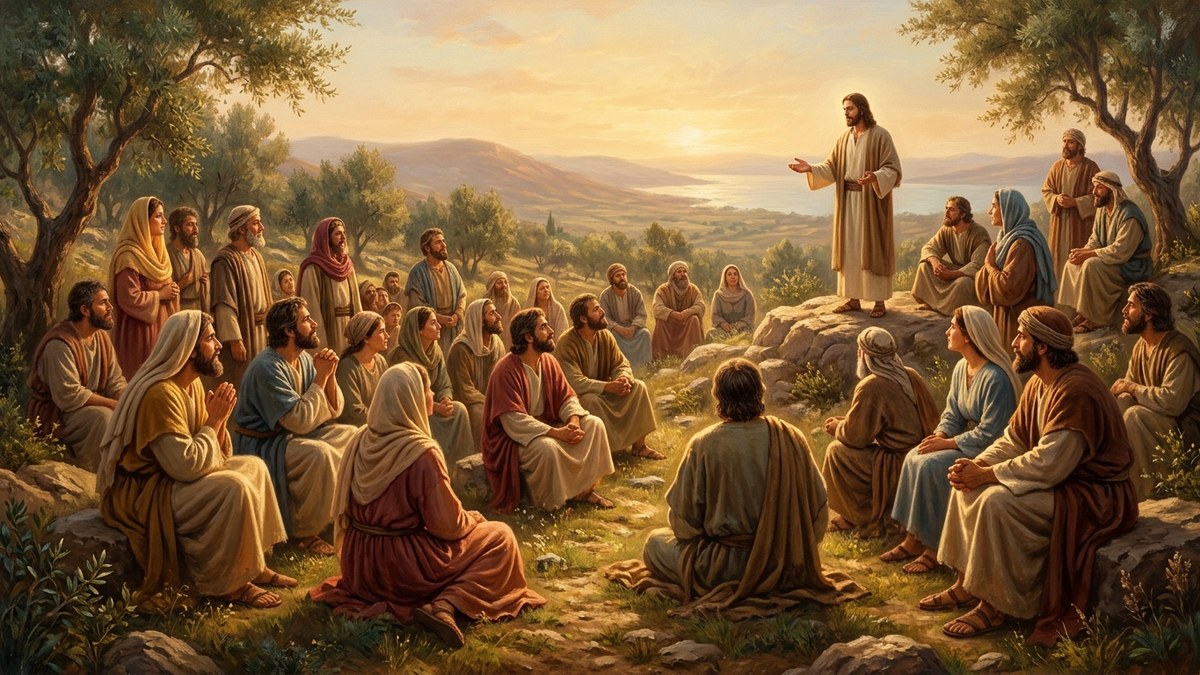
When Jesus ascended the mount overlooking the Sea of Galilee in the Gospel of Matthew (5:1–12), He did not deliver a mere code of ethical conduct or a set of burdensome legalistic statutes. Instead, sitting down in the traditional posture of an authoritative teacher, Christ opened His mouth to utter the Beatitudes—the inaugural proclamation of the Kingdom of Heaven and the definitive blueprint for authentic Christian holiness. In Catholic moral and dogmatic theology, the Beatitudes stand as the heart of Jesus' preaching, expressing the vocation of the faithful associated with the glory of His passion and resurrection.
From Sinai to the Mount of Beatitudes
In the narrative architecture of Matthew's Gospel, Jesus is revealed as the new and definitive Moses. Where Moses climbed Mount Sinai amidst thunder and dark clouds to receive the Law inscribed on tablets of stone, Christ ascends the gentle Galilean hill to interiorize and fulfill that Law with radiant grace. The Ten Commandments set the essential moral boundaries against grave disorder, yet the Beatitudes elevate human desire toward the perfection of supernatural charity. Rather than merely prohibiting external sin, the Lord purifies the inner sanctuary of the human heart.
The Catechism of the Catholic Church (CCC 1716) teaches that the Beatitudes fulfill the promises made to the chosen people since Abraham by ordering them no longer merely to the possession of an earthly land, but to the Kingdom of Heaven. Here, divine law ceases to be an external constraint and becomes an interior path of transformation guided by the grace of the Holy Spirit.
The Paradox of Blessedness: Christ's Self-Portrait
The Greek term used by the evangelist, makarioi, conveys a profound, enduring joy that transcends fleeting emotional happiness or worldly prosperity. Yet the conditions Jesus pronounces as 'blessed' are astonishingly counter-cultural and paradoxical to worldly wisdom.
"Blessed are the poor in spirit, for theirs is the kingdom of heaven. Blessed are they who mourn, for they will be comforted. Blessed are the meek, for they will inherit the land. Blessed are they who hunger and thirst for righteousness, for they will be satisfied."
— Matthew 5:3–6, New American Bible Revised Edition (NABRE)
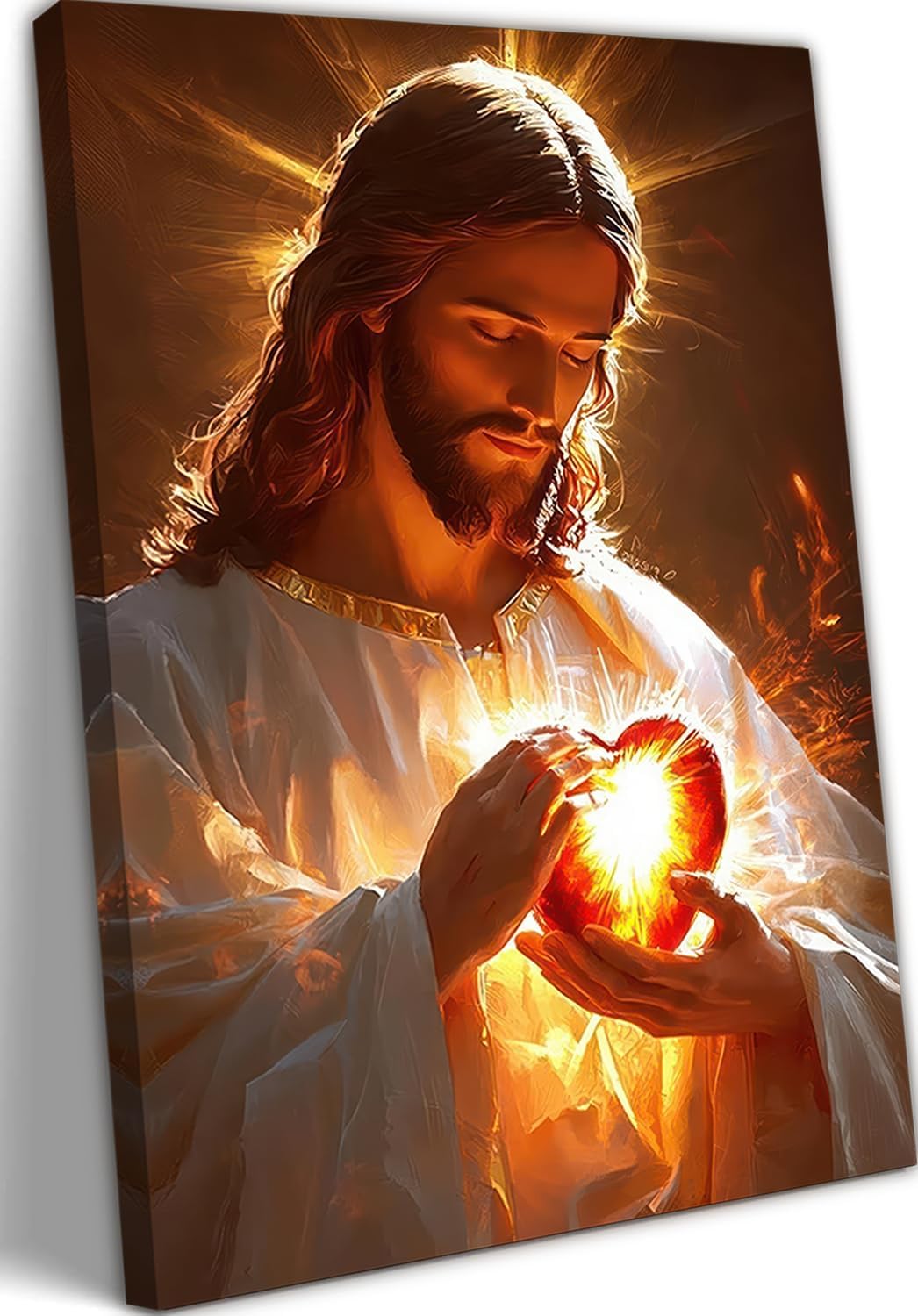
Far from praising misery or weakness, poverty of spirit denotes radical humility—the conscious realization of complete dependence on God. Those who mourn grieve over the reality of personal sin and the brokenness of the fallen world. The meek embody the patient gentleness of Christ who conquers violence without vengeance. As Pope Francis emphasizes in Gaudete et Exsultate, the Beatitudes are not abstract ideals; they are a transparent self-portrait of Jesus Himself, who was poor, meek, and pure in heart.
The Radiance of Mercy, Purity, and Peace
As the discourse unfolds, Jesus shifts from interior disposition to active engagement with the world. The disciple who has received divine grace is called to become an instrument of redemptive transformation in a divided society.
"Blessed are the merciful, for they will be shown mercy. Blessed are the clean of heart, for they will see God. Blessed are the peacemakers, for they will be called children of God."
— Matthew 5:7–9, New American Bible Revised Edition (NABRE)
Mercy is the definitive attribute of God in Catholic doctrine, reaching beyond passive pity to concrete acts of forgiveness and self-giving love. Purity of heart demands an undivided interior gaze, freeing the soul from hypocrisy and worldly idols so that it may perceive divine presence. Peacemakers actively build reconciliation grounded in truth and justice, reflecting the sonship of Christ who reconciled heaven and earth through His blood on the Cross.
The Crown of Persecution and Eschatological Hope
The final beatitude addresses the inevitable conflict between the Kingdom of God and the kingdoms of this world. Holiness invariably arouses opposition because it exposes the falsehoods of worldly power and moral compromise.
"Blessed are they who are persecuted for the sake of righteousness, for theirs is the kingdom of heaven. Blessed are you when they insult you and persecute you and utter every kind of evil against you falsely because of me. Rejoice and be glad, for your reward will be great in heaven."
— Matthew 5:10–12, New American Bible Revised Edition (NABRE)
The promise of heaven anchors Christian perseverance amidst trial. Persecution is not an insurmountable catastrophe for the believer, but a profound participation in the Cross of the Savior, leading toward eternal glory.
Key Takeaways
- Fulfillment of the Law: The Beatitudes elevate the Old Covenant commandments into the interior perfection of Gospel charity.
- Christological Mirror: The Beatitudes serve as the lived self-portrait of Jesus Christ, inviting disciples to imitate His virtues.
- Radical Poverty of Spirit: Spiritual poverty and humility are the essential foundation for receiving the grace of the Kingdom.
- Active Holiness: Mercy, purity of heart, and peacemaking are indispensable fruit of authentic Christian discipleship.
- Eschatological Victory: Faithful endurance under persecution unites believers with the suffering and resurrection of Christ.
In our modern era driven by consumerism and self-exaltation, the Beatitudes offer a counter-cultural path to authentic joy. By conforming our hearts to these beatific promises and relying on the grace of the Sacraments, we begin to taste on earth the eternal peace promised to the children of God.