Pentecost every day means living in continuous reliance on the Holy Spirit’s grace, transforming ordinary routines into supernatural encounters. Rather than confining God’s power to a single feast day, Catholic teaching invites believers to welcome the Spirit’s daily presence as the ultimate antidote to spiritual fatigue and algorithmic discipleship.
The feast of Pentecost marks the birth of the Church, yet its grace is meant to permeate every sunrise. Catholic spirituality has long taught that the Holy Spirit is not a distant force but a personal indwelling presence. When we reduce faith to curated content or measurable engagement, we risk a hollow imitation of true communion. The Spirit invites us beyond the screen, into the sacred mystery of daily surrender.
What Is the True Meaning of Pentecost Every Day?
The descent of the Holy Spirit in Jerusalem was never intended to remain an isolated historical moment. According to Acts 2:38, Peter proclaims that the gift of the Spirit is promised to all generations, establishing a perpetual outpouring of divine life. In Catholic theology, Pentecost inaugurates the Church’s mission, but it also sanctifies the ordinary.
“Repent and be baptized, every one of you, in the name of Jesus Christ for the forgiveness of your sins, and you will receive the gift of the Holy Spirit.”
This theological reality echoes the early Church Fathers, who described the Spirit as the soul of the Mystical Body. Just as breath sustains the physical body, the Paraclete animates our spiritual faculties, turning routine obligations into acts of love. He operates outside human metrics, favoring humility over visibility and stillness over noise. Embracing this truth frees us from performance-based religion and anchors us in grace.
How Does the Holy Spirit Heal Modern Burnout?
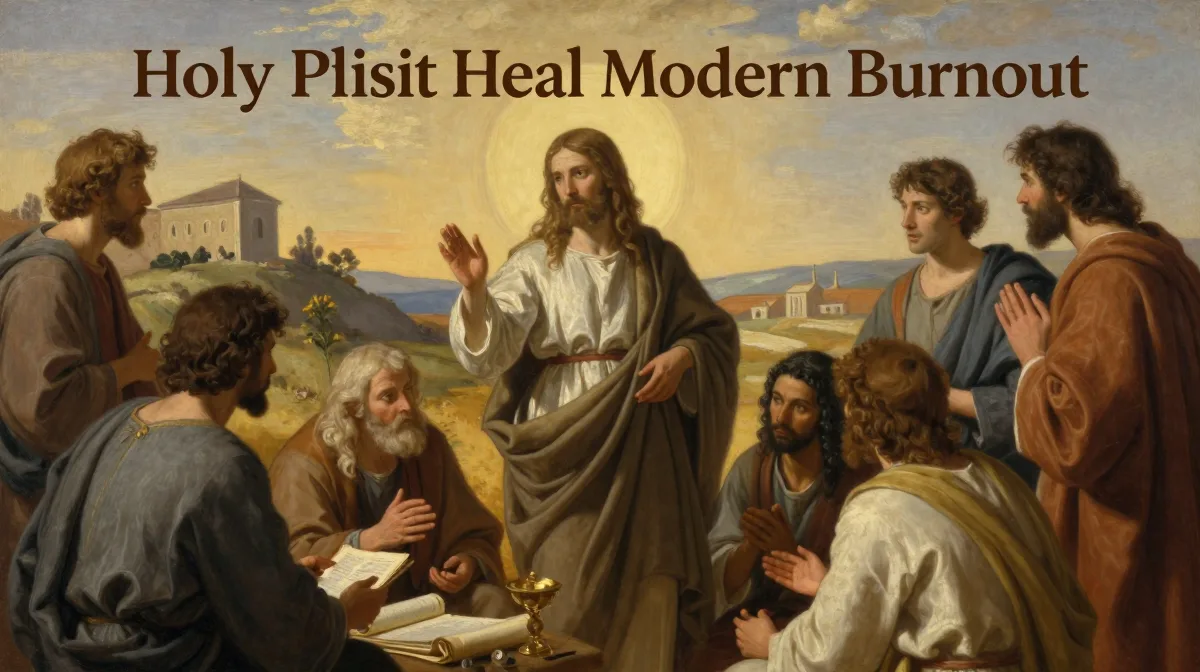
Spiritual exhaustion often stems from treating discipleship like a productivity system. We scroll, schedule, and strive, mistaking activity for holiness. The Holy Spirit offers a radically different path. As Saint Paul reminds us in Galatians 5:22-23, the fruit of the Spirit includes peace, patience, and self-control—virtues that directly counter the frenzy of modern life.
“But the fruit of the Spirit is love, joy, peace, patience, kindness, goodness, faithfulness, gentleness, self-control.”
To live a Spirit-filled life daily, begin by surrendering your morning routine to divine guidance rather than digital notifications. Replace endless scrolling with five minutes of silent prayer, asking the Paraclete to direct your steps. Practice examen at night, recognizing where God moved in seemingly mundane moments.
Practical Steps for Daily Surrender
When burnout threatens, remember that the Spirit does not demand perfection; He supplies strength. Catholic tradition teaches that sacramental grace, frequent confession, and Eucharistic adoration replenish the soul far more effectively than any self-help strategy. Begin by integrating short, intentional pauses throughout your workday. Whisper the ancient prayer, “Come, Holy Spirit,” before meetings or difficult conversations. These micro-moments of surrender rewire the heart, replacing digital fatigue with divine attentiveness.
- Pentecost is a daily reality, not merely a historical feast, inviting continuous reliance on the Holy Spirit.
- The Holy Spirit dismantles algorithmic discipleship by replacing performance metrics with grace-driven communion.
- Spiritual burnout heals through sacramental living, silent prayer, and surrender to the Spirit’s unexplainable movements.
- A Spirit-filled life cultivates the fruits of peace and patience, anchoring believers in supernatural rest.
Why Does a Daily Spirit-Filled Life Matter?
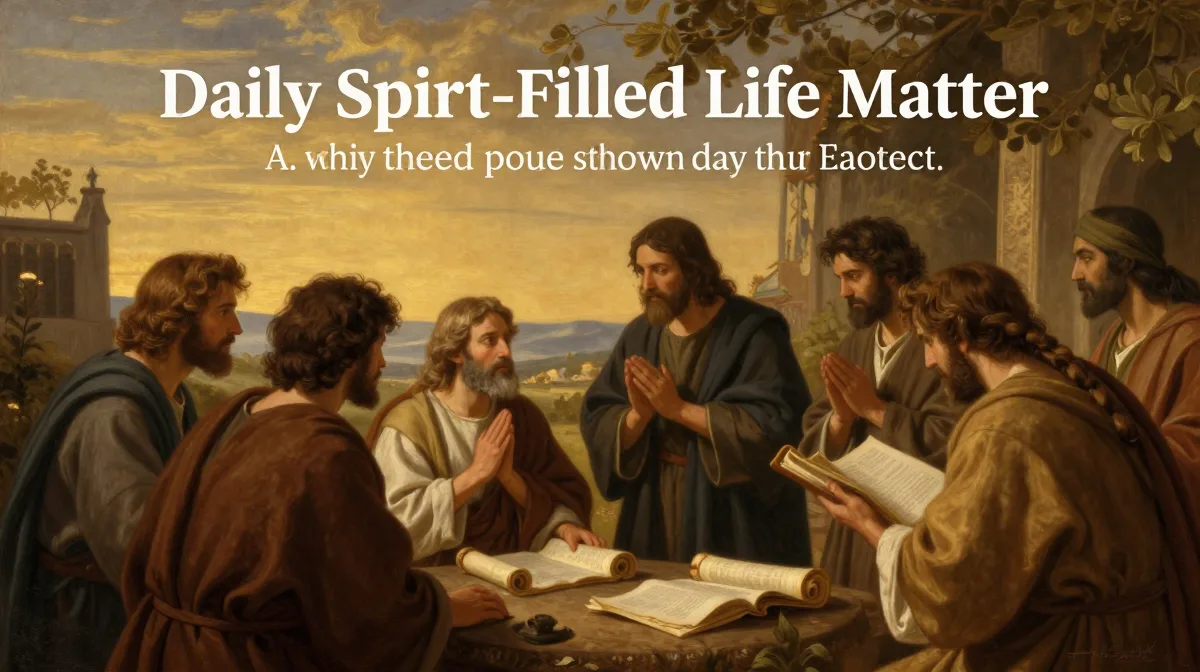
The cultural hunger for the supernatural reveals a deeper longing for the living God. When we embrace Pentecost every day, we step out of the exhaustion of self-reliance and into the freedom of divine partnership. According to Romans 8:26, the Spirit Himself intercedes for us with groanings too deep for words, proving that we are never alone in our struggles.
“Likewise the Spirit helps us in our weakness. For we do not know what to pray for as we ought, but the Spirit himself intercedes for us with groanings too deep for words.”
This daily dependence transforms ordinary work, family life, and suffering into offerings of worship. The Church does not need more optimized influencers; she needs Spirit-filled witnesses who radiate Christ’s peace in a fractured world. As you move forward, invite the Holy Spirit to breathe anew into your routine. Let go of the need to control your spiritual journey. Instead, open your heart to the unexplainable grace that has sustained saints for centuries. This is the heart of Catholic discipleship: not striving for spiritual virality, but abiding in the quiet power of God’s presence. The supernatural is not an escape from reality; it is the grace that sanctifies it. In doing so, you will discover that Pentecost is not behind us—it is happening right now, within you.