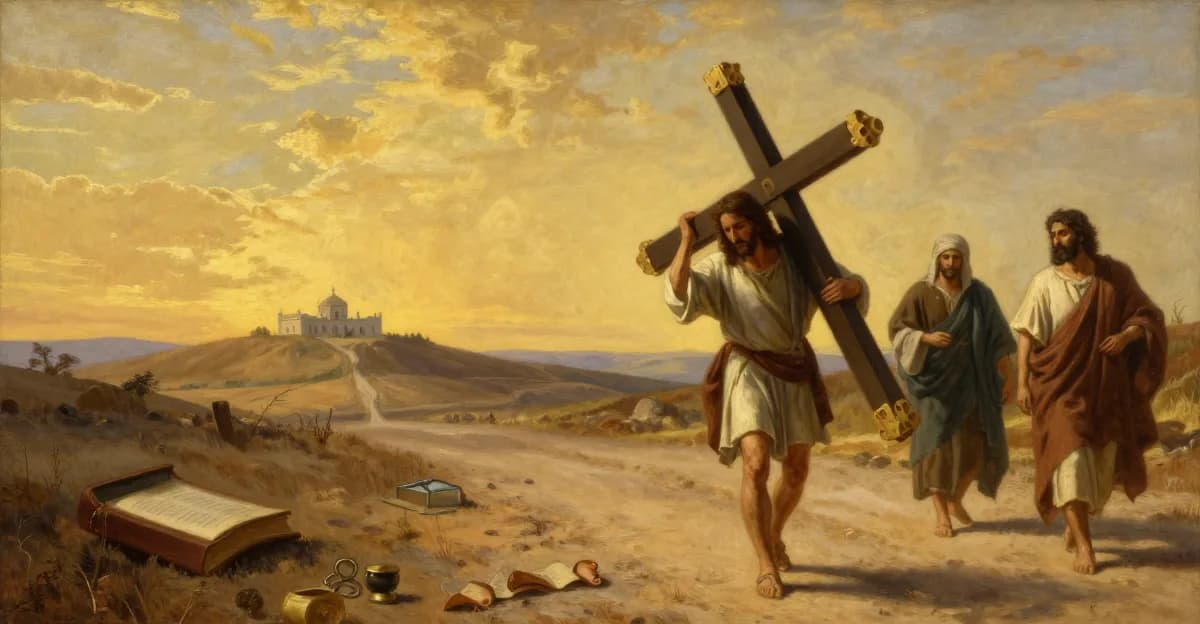
The 2026 prophecy timeline is a modern date-setting theory that lacks biblical foundation and often fuels unnecessary spiritual anxiety. Scripture consistently teaches that no one knows the day or hour of Christ’s return. True Christian hope rests not in calendars, but in faithful readiness and trust in God’s sovereign timing.
What Is the 2026 Prophecy Timeline?
The 2026 prophecy timeline circulates widely across social media, particularly through viral TikTok and YouTube influencers. Proponents calculate the date by adding two thousand years to the traditional crucifixion year of 33 AD, then subtracting a seven-year tribulation period to arrive at 2026 as the anticipated start of end-times events. This framework gained renewed traction after widely shared sermons, including those by Pastor Chris Oyakhilome, suggested a countdown to Christ’s return. While the arithmetic appears straightforward, it fundamentally misunderstands biblical chronology and prophetic symbolism. The Church has consistently warned against reducing divine mystery to mathematical formulas. When algorithms amplify speculative countdowns, believers often experience heightened spiritual distress. Catholic theology affirms that apocalyptic literature uses symbolic timeframes to convey spiritual urgency, not literal calendars. Recognizing the cultural mechanics behind this trend helps separate viral speculation from sacred truth.
Why Did Date-Setting Historically Fail?
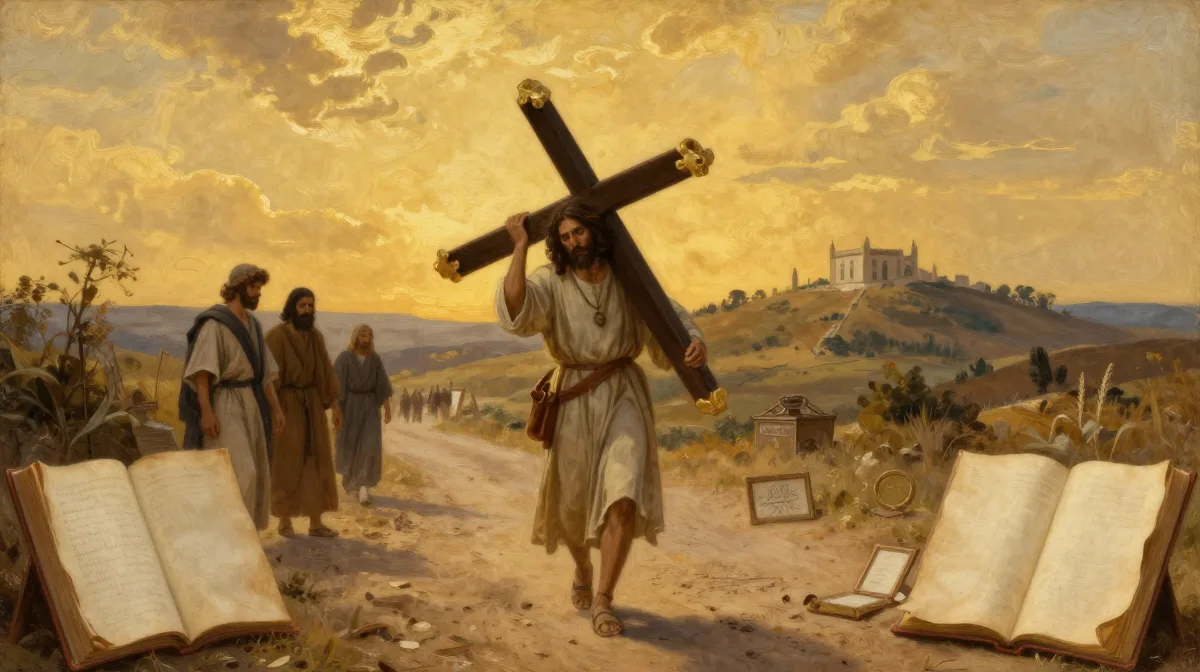
Throughout Christian history, date-setting movements have repeatedly collapsed under the weight of unfulfilled predictions. The late 1980s, 2011, 2012, and 2017 all witnessed intense end-times speculation, yet each timeline expired without incident. As noted by respected biblical scholars, these failures stem from a fundamental misreading of apocalyptic texts, which prioritize moral vigilance over chronological precision. When believers anchor their faith to specific years, they inevitably face disillusionment or spiritual crisis. A prominent Catholic theologian observes that prophecy serves as a mirror for conversion, not a stopwatch for prediction. The repeated collapse of these timelines demonstrates a consistent pattern: human calculation cannot capture divine sovereignty. Instead of fostering readiness, date-setting often breeds either complacency or chronic fear. The Church’s enduring wisdom reminds us that the Gospel calls for perpetual watchfulness, not calendar-driven panic.
How Does Scripture Address Rapture Anxiety?
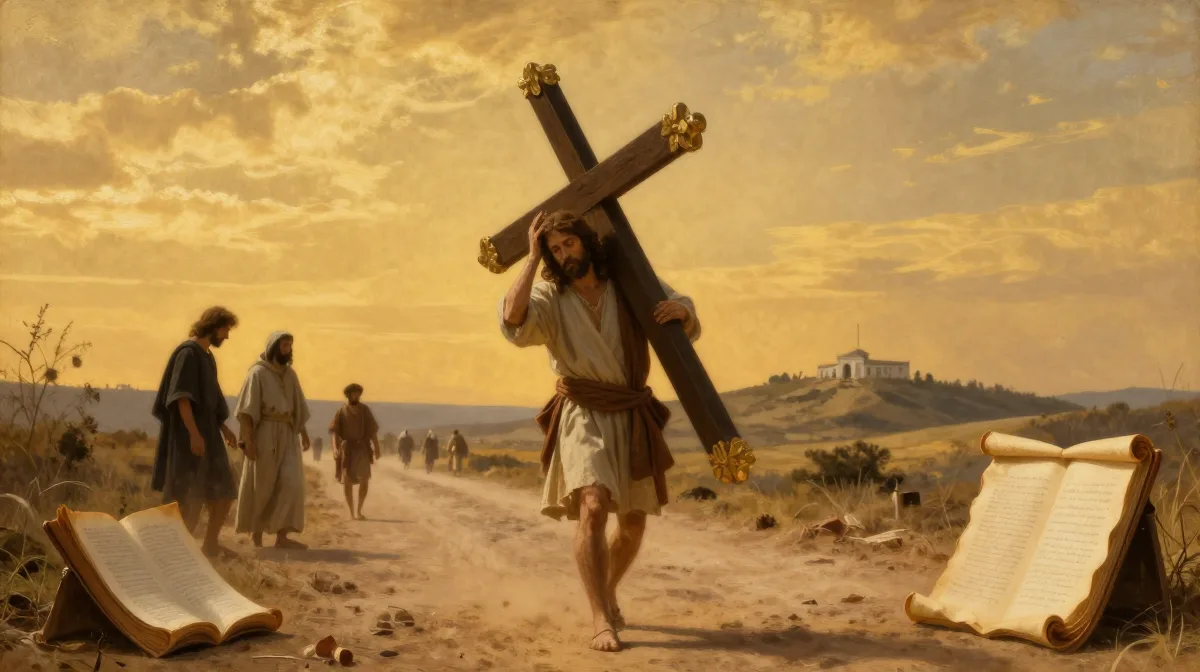
Rapture anxiety frequently manifests as religious trauma, characterized by hyper-vigilance, scrupulosity, and an overwhelming fear of being left behind. Scripture directly confronts this distress by anchoring believers in God’s unchanging peace rather than speculative timelines. According to Jesus in the Gospels:
“But of that day and hour no one knows, not even the angels of heaven, nor the Son, but the Father only.” (Matthew 24:36)
This divine mystery is meant to liberate, not paralyze. Saint Paul reinforces this comfort in 1 Thessalonians 4:18, urging Christians to encourage one another with these words rather than succumb to dread. Christian counselors emphasize that end-times fear often triggers anxiety disorders when theological teaching lacks pastoral balance. Healing begins when we reframe prophecy as a promise of restoration, not a threat of abandonment. God’s timing is perfect, and His grace is sufficient for every generation.
What Are Practical Steps to Find Peace?
Navigating prophecy speculation requires intentional boundaries and grounded spiritual practices. First, limit exposure to algorithmic prophecy content that thrives on urgency and emotional manipulation. Curate your digital environment to prioritize catechetical teaching, liturgical prayer, and verified theological sources. Second, engage in regular spiritual direction or counseling if end-times fear disrupts daily life. Cognitive strategies, such as grounding techniques and journaling, help distinguish between healthy vigilance and compulsive worry. Third, cultivate a sacramental rhythm that centers on the Eucharist and Scripture, which anchor the soul in present grace rather than future speculation. Pastoral guidance consistently affirms that rejecting date-setting does not weaken faith; it strengthens it by redirecting focus toward daily discipleship. When anxiety arises, return to the simple truth that Christ’s return is a promise of hope, not a source of terror.
Key Takeaways
- The 2026 timeline relies on speculative math, not biblical authority.
- Scripture explicitly forbids date-setting and calls for faithful readiness.
- Rapture anxiety can be healed through pastoral care and digital boundaries.
- Christian hope rests in God’s sovereignty, not viral countdowns.
The Church has always taught that the end of the age is not a puzzle to be solved, but a mystery to be lived with hope. By grounding ourselves in Scripture, embracing sound pastoral wisdom, and protecting our mental well-being, we can navigate prophecy speculation with clarity and peace. Christ’s return remains our blessed hope, calling us to love, serve, and trust until He comes.