Major reference pages often divide content into a biblical biography section and a historical–textual discussion section. For example, Wikipedia — Moses gives a lengthy list of hypotheses on the sources of the Pentateuch and Moses' role in Judaism, Christianity, and Islam; Britannica — Moses provides a more concise summary, emphasizing the figure of the leader–mediator of the law; Jewish Virtual Library — Moses (Moshe) places the figure in Jewish tradition (Torah, Midrash, role in Passover). For Catholic readers, New Advent (search “Moses”) and the Catechism of the Catholic Church CCC (section on Law) help to see how the figure of Moses relates to Christ and the Sacraments. Bible Gateway — Exodus 3 is a natural entry point for the narrative (burning bush, the name “I AM WHO I AM”).

Biblical Axis
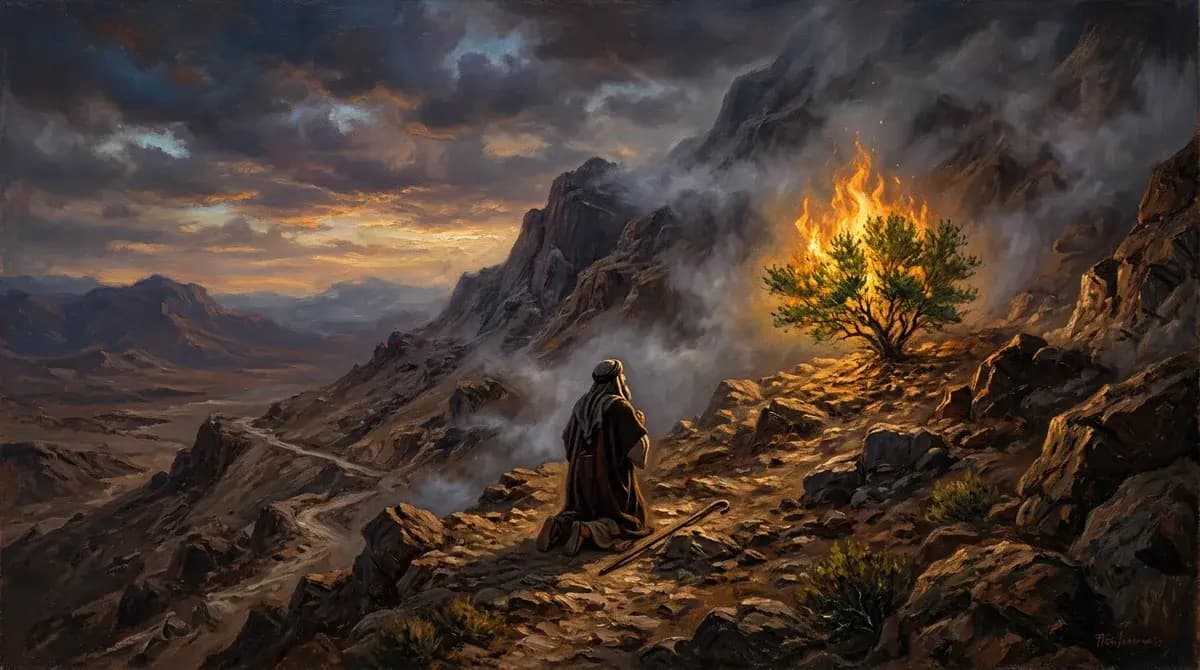
From the basket in the Nile (Ex 2) to the final discourses in Deuteronomy (Deut 34), Moses is linked to liberation from Egypt, the Sinai covenant, law and sacrifice, and the desert journey. The Epistles refer to Moses as a witness to the law (2 Corinthians 3), in the list of heroes of faith (Hebrews 11:23–29), and in Revelation (e.g., the Song of Moses). When studying the theme of “Moses,” Bible Gateway is useful for opening a bilingual view and marking the legal passages (Ex 19–24) separately from the narrative passages (Ex 14–15).
The Lord said: “I AM WHO I AM.”
— Exodus 3:14 (main idea, consult various translations)He trusted God when he was placed outside the palace gates.
— Hebrews 11:23 (reference — the line of heroes of faith)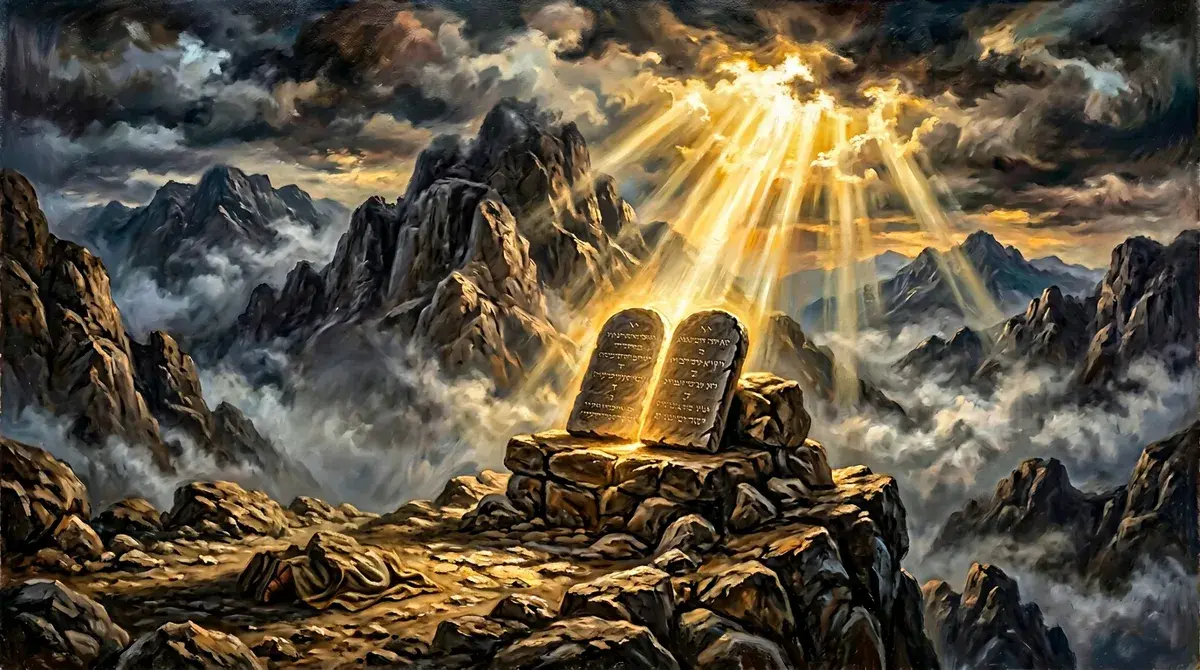
Analysis of the Presentations
Britannica often groups Islam into the same entry (Musa) in the overview; Wikipedia separates a subsection “Islamic view.” JVL emphasizes Moses’ role in liturgy and halakhic law. Christians should remember: the New Testament does not abolish the witnessing role of the law but re-reads it in the light of Christ (see the Catechism sections on the relationship between the Old and New Testaments). Reading exercise: choose a Wikipedia passage with scholarly footnotes, then read the corresponding biblical passage on Bible Gateway and note which statements in the encyclopedia are interpretations rather than verbatim quotations.
One-Week Reading Plan
Ex 1–4; Ex 14–20; Deut 6 (Shema); Hebrews 11; Mt 17:1–8 (Transfiguration). Spend 15 minutes each day reading Britannica or Wikipedia after you have read the Bible passage.
Summary
- Wikipedia: detailed with footnotes; Britannica: short framework, multi-religious.
- JVL: Torah and Jewish life; New Advent / CCC: Catholic framework.
- Bible: Exodus, Leviticus, Numbers, Deuteronomy; New Testament: Mt 17, Jn 1:17, 2 Cor 3, Heb 11.
- Bible Gateway: compare translations and mark law vs. narrative.