Who Was Elijah and Why Does His Story Matter Today?
Elijah was a prophet who confronted Israel's cultural and spiritual collapse during King Ahab's reign. According to 1 Kings 17:1, he declared, "As the Lord, the God of Israel, lives, whom I serve, there will be neither dew nor rain in the next few years except at my word." His story matters because it reveals how God forges unshakable faith in ordinary people facing extraordinary cultural compromise. Elijah's journey from obscurity to Mount Carmel, and from triumph to despair, provides a complete blueprint for Christians navigating a compromised world today.
What Caused Israel's Spiritual Decline Under Ahab?
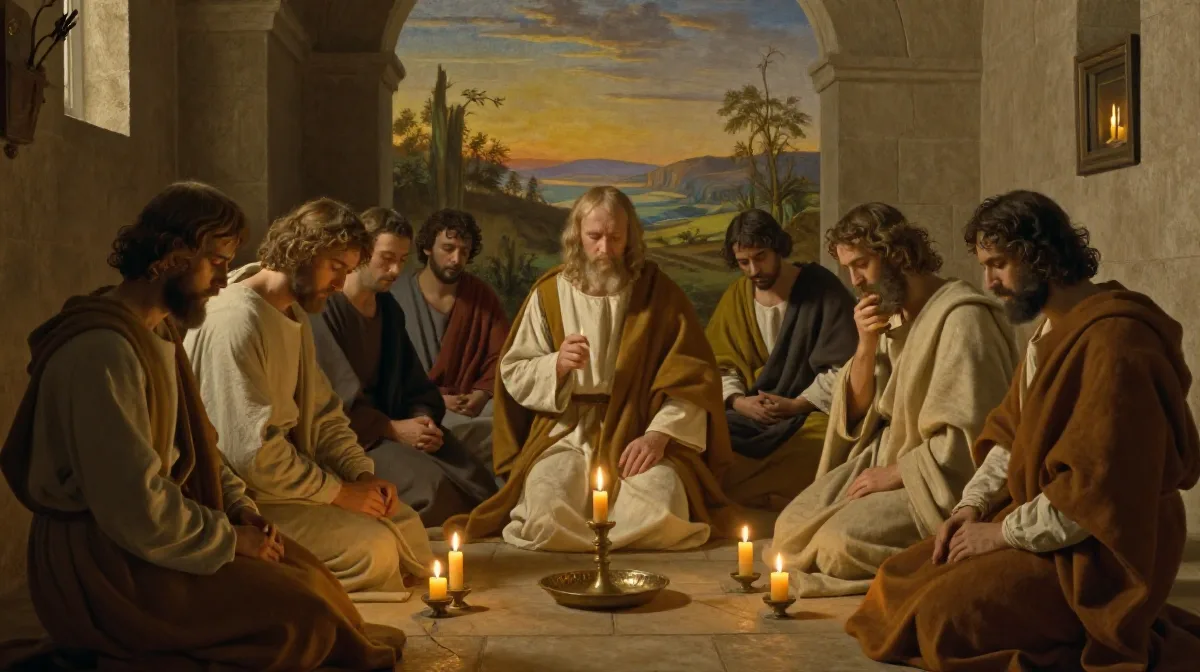
Israel's decline was not sudden. It was a gradual erosion led from the top. King Ahab "did more evil in the eyes of the Lord than any of those before him" (1 Kings 16:30). His marriage to Jezebel, a princess of Sidon, imported Baal worship into the heart of the nation. Jezebel was not merely a wicked individual; she was a cultural architect who systematically promoted idolatry, manipulated public opinion, and persecuted God's prophets. The result was a generation that limped between two opinions, trying to worship both Yahweh and Baal. This spiritual duplicity mirrors modern compromises: political idolatry, social media validation replacing God's approval, and workplace integrity sacrificed for advancement. Israel did not abandon God in a single moment. They drifted through a thousand small concessions until the altar of the Lord lay in ruins.
How Did God Forge Elijah's Faith in Hidden Places?
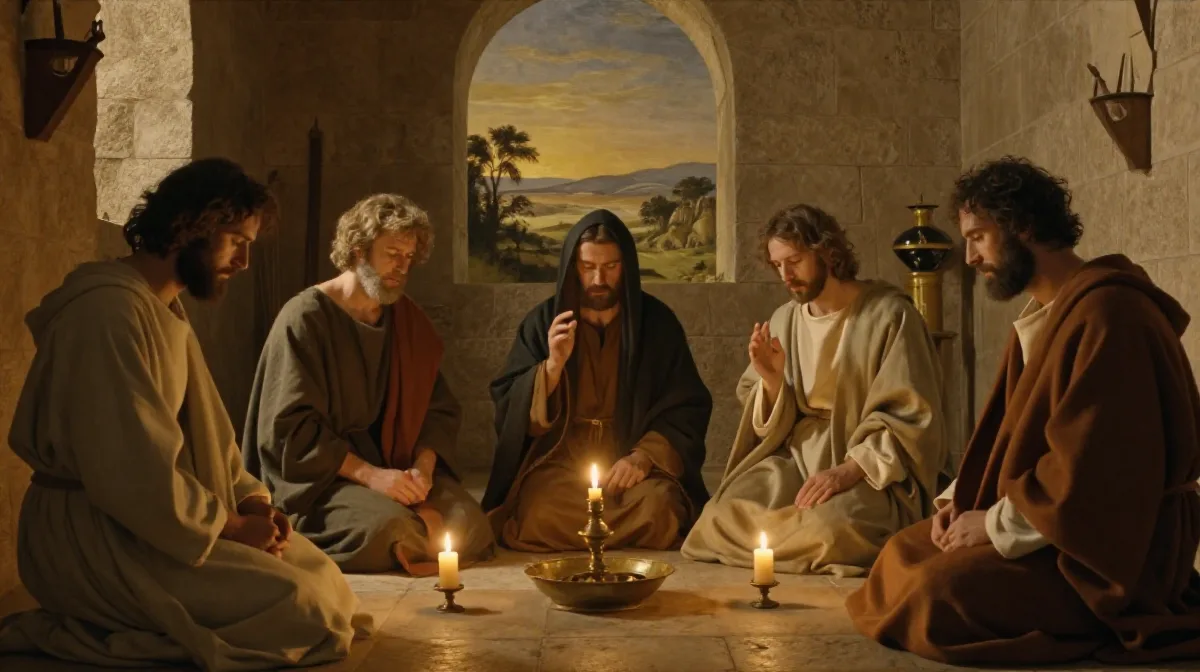
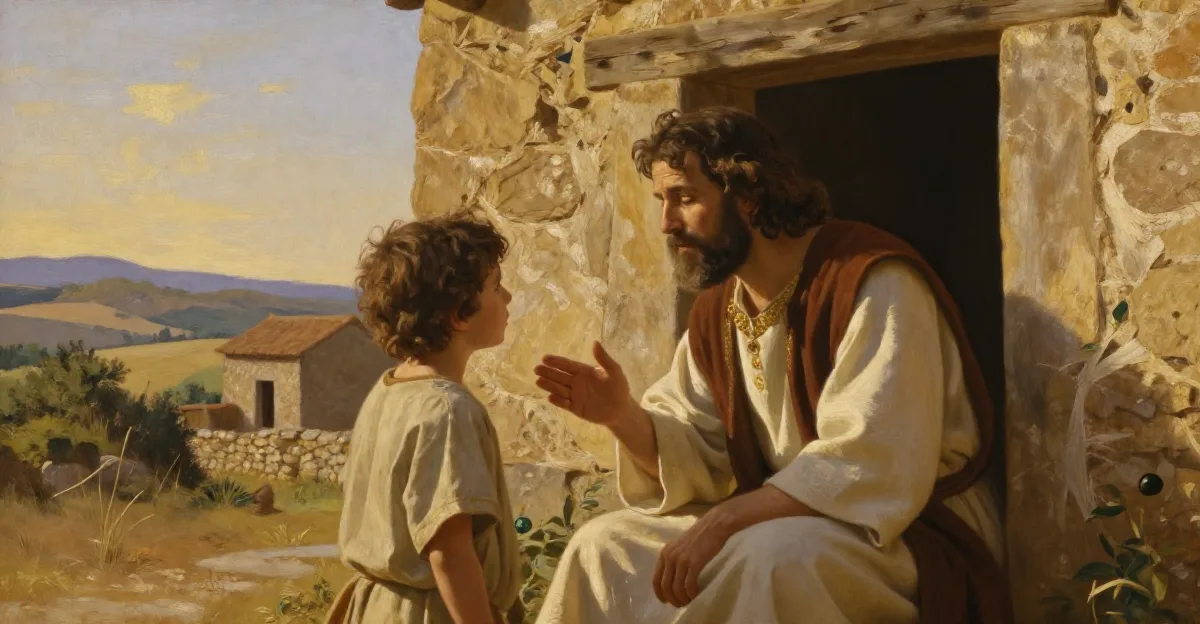
Before Elijah ever stood before a king, God sent him to the Brook Cherith. According to 1 Kings 17:3-4, God said, "Leave here, turn eastward and hide in the Kerith Ravine, east of the Jordan. You will drink from the brook, and I have directed the ravens to supply you with food there." This was not a punishment. It was formation. In obscurity, Elijah learned dependence. He drank from a brook. He ate from ravens. He waited in silence. Then God sent him to Zarephath, a Gentile widow's home, where flour and oil never ran out. These hidden years teach us that God prepares His servants in solitude before sending them into the fire. Faith is not forged on a stage. It is forged in the quiet, obedient moments no one sees.
What Can We Learn From Elijah's Mount Carmel Confrontation?
The Mount Carmel confrontation in 1 Kings 18 is the climactic moment of Elijah's public ministry. He stood before all Israel and 450 prophets of Baal and issued a challenge: two altars, two sacrifices, one true God. When fire from heaven consumed Elijah's offering, the people fell on their faces and cried, "The Lord, He is God!" This moment teaches us three things. First, decisive faith requires drawing a clear line. Elijah did not negotiate with compromise. Second, bold public stands are only possible after private faithfulness. Third, one person standing with God outnumbers every majority standing without Him. In a culture that pressures believers to blend in, Elijah's example calls us to rebuild the broken altars in our personal lives, our families, and our churches.
Why Did Elijah Fall Into Depression After His Greatest Victory?
Immediately after Mount Carmel, Elijah fled from Jezebel's threat, sat under a broom tree, and asked God to take his life. According to 1 Kings 19:4, he said, "I have had enough, Lord. Take my life." This is one of Scripture's most honest portraits of a faith hero's emotional collapse. Elijah was exhausted, afraid, and profoundly alone. He believed he was the only faithful one left. God's response was remarkable. He did not rebuke Elijah. He let him sleep. He fed him. He spoke in a gentle whisper, not in wind, earthquake, or fire. God met Elijah's physical, emotional, and spiritual needs before giving him a new mission. This passage is a profound comfort for anyone struggling with burnout, anxiety, or depression. Even the most courageous believers are human. God's restoration is gentle, patient, and complete.
How Do We Rebuild Broken Altars in a Compromised Culture?
Elijah rebuilt the altar of the Lord that had been torn down (1 Kings 18:30). This act is a powerful metaphor for spiritual renewal. Rebuilding broken altars begins with personal repentance and daily devotion. It continues in the family through intentional prayer and Scripture reading. It extends to the church through corporate worship that honors God alone. Practically, this means auditing where your time, attention, and resources go. Are you building altars to approval, comfort, or control? Tear them down. Rebuild the altar of prayer. Rebuild the altar of the Word. Rebuild the altar of faithful obedience in small, unseen moments. God is always looking for those who will rebuild.
- Elijah's hidden years at Cherith and Zarephath show that God forges courage in obscurity before public ministry
- Mount Carmel teaches that decisive faith requires drawing clear lines against cultural compromise
- Elijah's depression reveals that even great faith heroes struggle, and God's restoration is gentle and patient
- Rebuilding broken altars is a practical framework for personal, family, and corporate spiritual renewal
What Is the Lasting Legacy of Elijah's Faith?
Elijah's story does not end in despair. God gave him a new mission, a new companion in Elisha, and the promise of a remnant who had not bowed to Baal. Elijah's legacy is not perfection. It is perseverance. He was a human being with the same nature as ours, yet he prayed fervently and saw heaven answer. For today's church, Elijah's life is both a mirror and a map. It mirrors our cultural compromise and maps a path back to wholehearted devotion. The God who sent fire on Carmel and whispered in the cave is the same God who invites us to rebuild, to stand, and to trust Him alone.