The Book of Ruth is short but a masterwork of Old Testament prose about hesed (covenantal loyalty). Wikipedia — Ruth (biblical figure) connects the character with the book and debates authorship; Britannica — Ruth summarizes the plot and its place in the Hebrew Bible; Jewish Virtual Library — Ruth places it within Shavuot and Jewish tradition. Read the text: Bible Gateway — read all four chapters of Ruth in one sitting before consulting encyclopedias — a method consistent with Bible study guidance on sites like Bible Gateway (context first).

Plot and Theology
Ruth follows Naomi to Bethlehem, gleans in Boaz’s field, marries, bears a son — a lineage leading to David. The line “your people are my people” (Ruth 1:16) is a moral and literary focal point. New Testament: Ruth appears in Jesus’ genealogy (Matthew 1:5) — both Britannica and Wikipedia note the significance of a Gentile in the Messianic line.
Where you go I will go … your people are my people and your God my God.
— Ruth 1:16–17 (paraphrased, reference)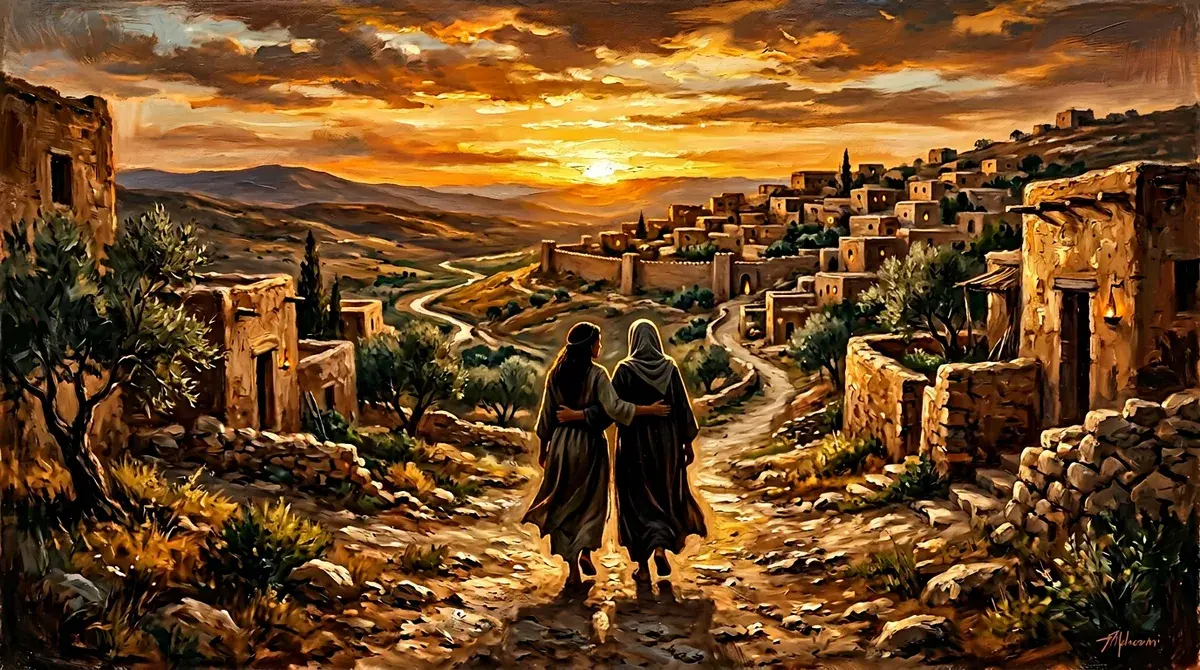
Source Analysis
Britannica emphasizes the period of the Judges and social context; Wikipedia adds modern feminist readings and authorship debates; JVL highlights the festival and Midrash. Do not use a single Wikipedia quote as a substitute for reading the entire book. Exercise: mark each occurrence of the word “hesed / loyal love” in Ruth (and synonyms in your translation).
Ruth and Hospitality to the Stranger
The story challenges us regarding ethnic boundaries and status: Ruth is not an Israelite but commits to the covenant through loyalty. Today, this lesson can illuminate welcoming refugees, foreign in-laws in the family, or those excluded from “our list”. Not forcing the book into policy — but letting God’s Word soften hearts in prayer.
Reading Plan
Read Ruth in full; Leviticus 25:25–30 (land); Matthew 1:3–6; compare a section of Britannica with Ruth 4:18–22 (genealogy).
Summary
- Short book — read it in full once before encyclopedias.
- Hesed: loyalty among Naomi, Ruth, Boaz.
- David’s line includes a Moabite — significance in Matthew 1.
- Wikipedia: multi-angle; Britannica: concise; JVL: Shavuot.