The Catholic liturgical seasons deep dive reveals how the Church year unfolds the mystery of Christ. From Advent to Ordinary Time, each season shapes our spiritual rhythm, connecting believers to the life of Jesus through sacred time, scripture, and communal worship.
What is the Structure of the Liturgical Year?
The liturgical year, or Proper of Time, organizes the mysteries of Christ’s life from Incarnation to the expectation of His return. It is distinct from the Proper of Saints, which celebrates the martyrs and holy men and women. The seasonal cycle follows a three-year lectionary cycle (Years A, B, and C), rotating through the Synoptic Gospels of Matthew, Mark, and Luke. During Ordinary Time, the Gospel of John is read during specific seasons like Lent and Easter. As Psalm 119:105 reminds us, "Your word is a lamp to my feet and a light to my path." The lectionary ensures this light shines systematically throughout the year. The liturgical year is not merely a historical recap but a living encounter with divine mysteries, allowing the Church to actualize the saving work of Christ in every generation.
Why Did the Early Church Develop Liturgical Seasons?
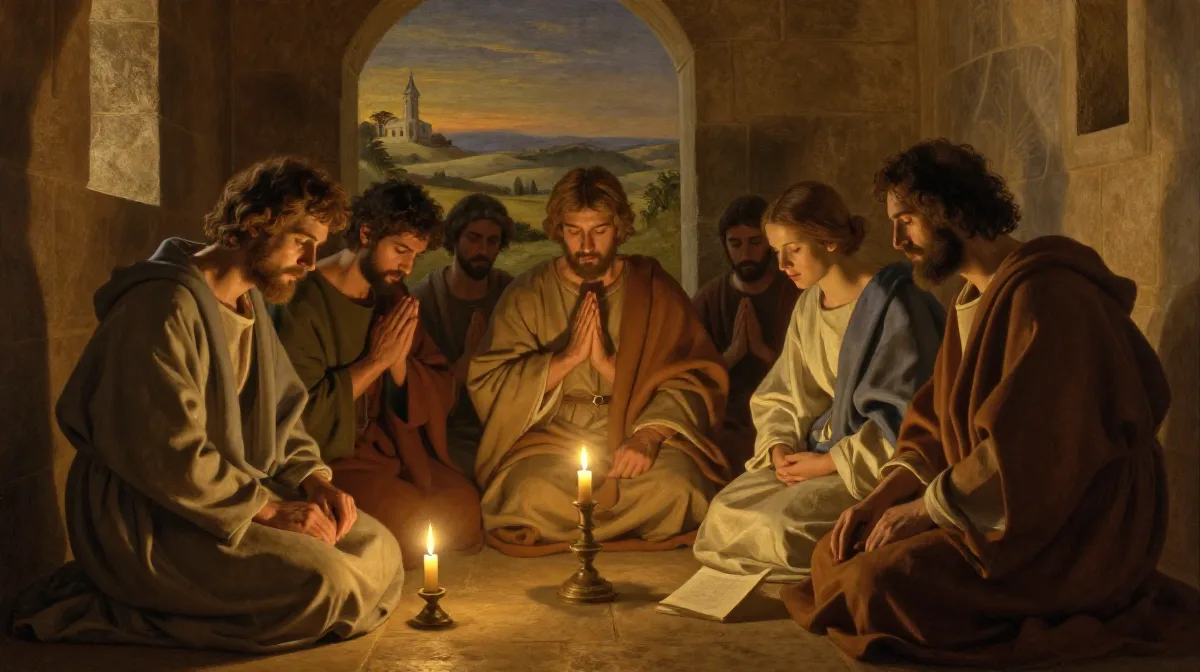
The Christian calendar developed organically from Jewish feast days, particularly the Paschal celebration. Early Christians initially celebrated a weekly Easter on Sundays and an annual Paschal feast. By the fourth century, distinct seasons like Advent and Lent emerged in the East and West to prepare catechumens for Baptism and reconcile penitents. The theological significance lies in making Christ’s Paschal Mystery present. As St. Leo the Great articulated:
What was visible in our Savior has passed into his mysteries.
The seasons transform chronological time into salvation history. For instance, the Paschal Triduum is the liturgical climax where the Church participates in the death and resurrection of the Lord, fulfilling the truth that "Christ, our Paschal lamb, has been sacrificed" (1 Corinthians 5:7). This historical evolution ensures that the ancient faith remains a living reality, rooting modern believers in the apostolic tradition.
How Does the Liturgical Calendar Shape Spiritual Formation?
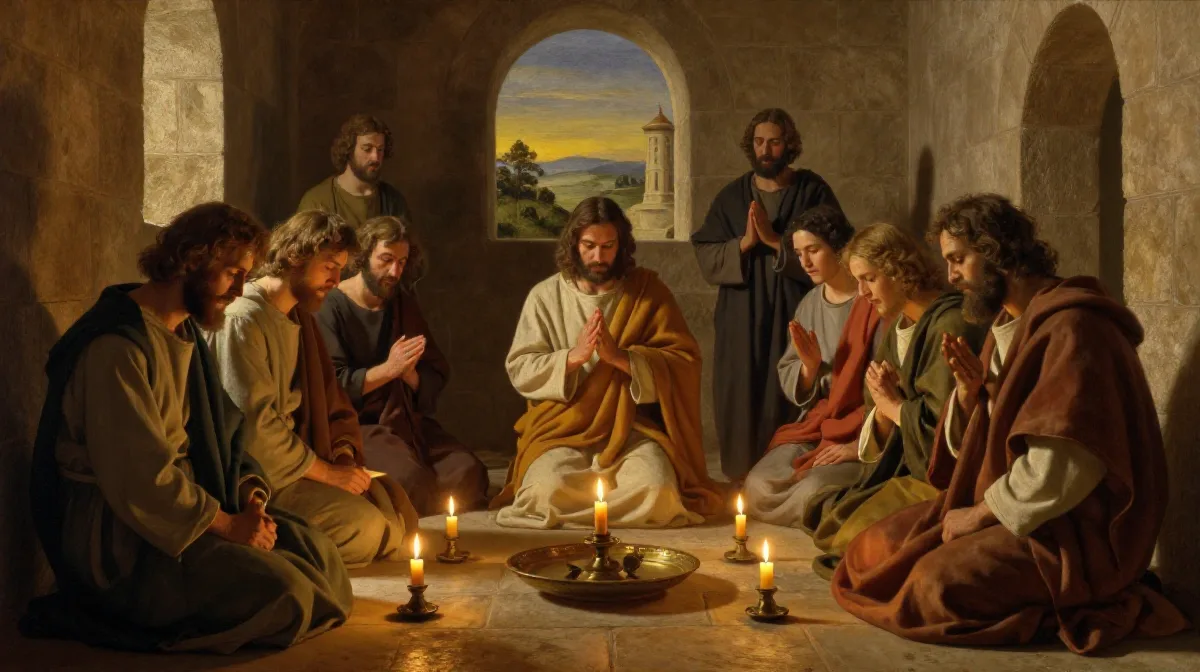
Living the liturgical seasons transforms daily life into a pilgrimage. Liturgical colors visually guide this journey: violet for penance in Advent and Lent, white for the joy of Christmas and Easter, green for the hope of Ordinary Time, and red for the martyrs. Families can integrate these rhythms by setting up an Advent wreath, practicing Lenten fasting, or creating an Easter garden. During Ordinary Time, which is often misunderstood as unimportant, Catholics are called to deep discipleship, focusing on the public ministry of Jesus. Engaging with the specific prayers, hymns, and scripture readings of each season aligns our personal spiritual formation with the universal Church. By observing these rhythms, we learn to wait in hope, rejoice in salvation, repent in sorrow, and walk in daily fidelity.
Integrating the Sanctoral Cycle
Alongside the seasonal cycle, the sanctoral cycle honors the saints. Feast days provide concrete examples of holiness lived out in specific historical contexts. When a solemnity like the Assumption or All Saints falls during a particular season, it enriches the theological theme. For example, the martyrs celebrated in red during Ordinary Time remind us that the daily call to discipleship may require ultimate sacrifice. Explaining these connections to children and catechumens helps them see the communion of saints not as distant figures, but as elder brothers and sisters in the faith, cheering us on as we navigate our own liturgical journey.
Key Takeaways
- The liturgical year cycles through the mysteries of Christ, utilizing a three-year lectionary to cover the Synoptic Gospels.
- Liturgical colors and specific prayers visually and spiritually guide the faithful through seasons of penance, joy, and ordinary discipleship.
- Rooted in Jewish traditions, the calendar transforms chronological time into a living encounter with the Paschal Mystery.
- Families and individuals can deepen their faith by integrating seasonal practices like Advent wreaths and Lenten fasting into their daily routines.
Conclusion
The Catholic liturgical calendar is a profound school of prayer and a masterclass in spiritual formation. By walking through this liturgical seasons deep dive, we discover that the Church year is not a rigid set of rules, but a living, breathing rhythm of grace. It invites us to slow down, reflect, and encounter the living God in the midst of our busy modern lives. Whether you are a seasoned Catholic seeking to revitalize your prayer life or a curious seeker exploring the faith, embracing the rhythms of the liturgical year offers a timeless path to holiness. Let the sacred seasons guide your steps, transforming ordinary days into moments of profound grace and drawing you ever closer to the heart of Christ through the beauty of sacred time.
Sources and further reading
Liturgical Year | USCCB - Official overview of the annual cycle of feasts and seasons from the United States Conference of Catholic Bishops.
Catholic Liturgical Calendar Guide - A comprehensive guide to navigating the saints, historical events, and divine mysteries throughout the year.
Understanding the Liturgical Calendar - Detailed explanations of the three-year lectionary cycle and how Sunday readings are structured.