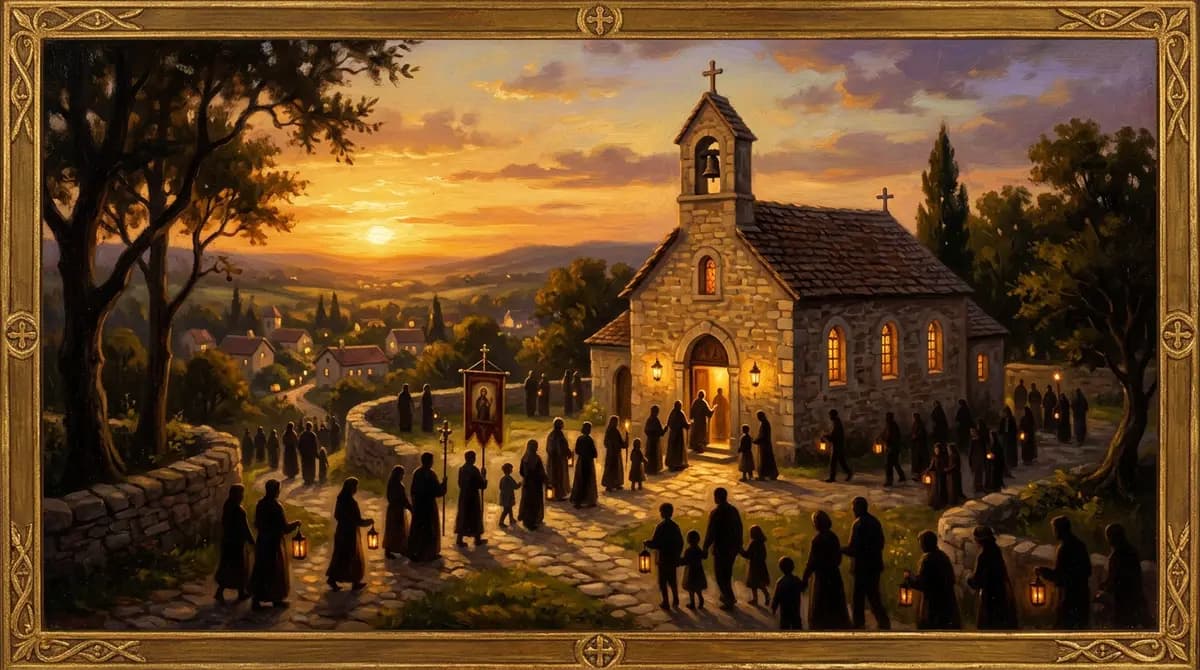
The patronal feast (or the feast of the parish's patron saint) is one of the most vibrant local liturgical highlights: it is not merely “commemorating the church name” but celebrating a Christian mystery made visible through a specific person. The Church teaches the communion of saints: we do not worship saints as we worship God, but we ask for their intercession and imitate their faith, hope, and charity in our own circumstances.
Why does a parish choose a saint?
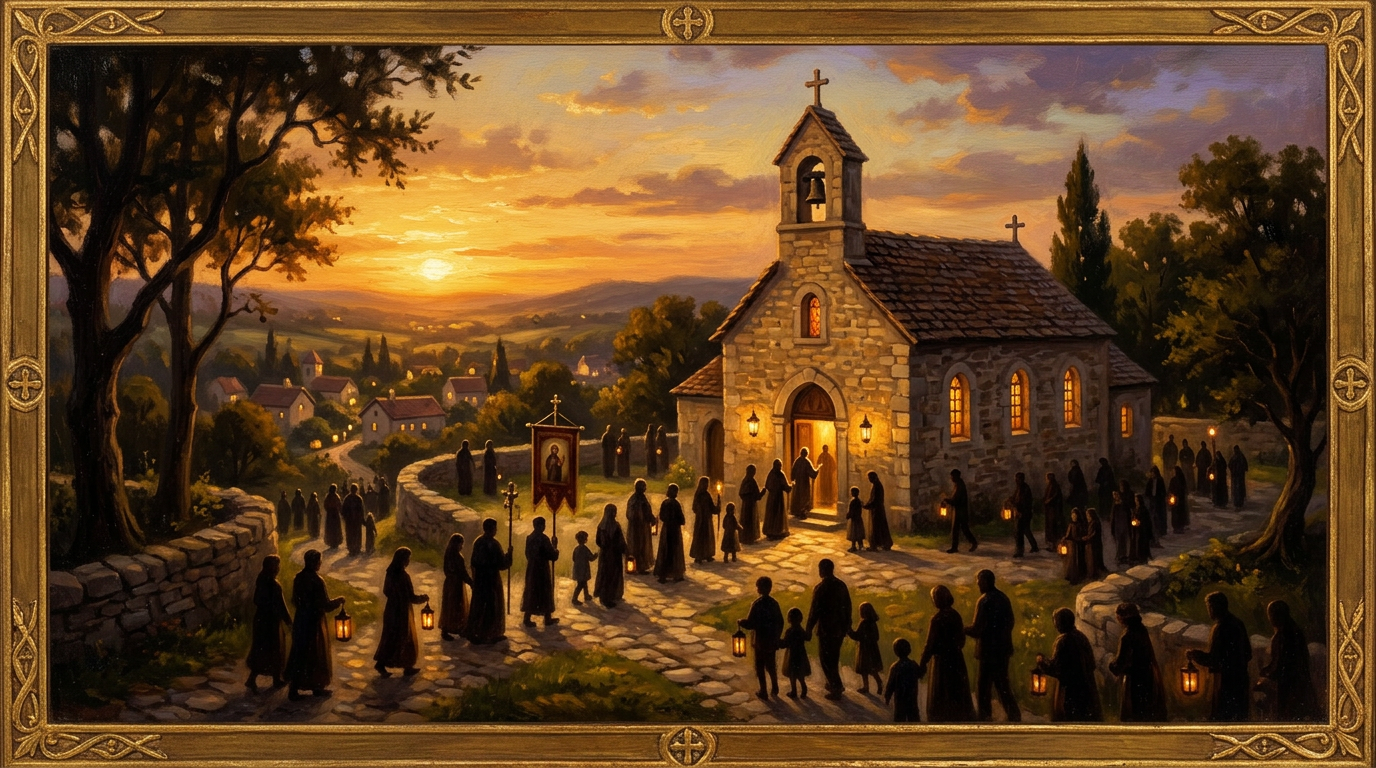
History sometimes links to a founder, a local martyr, or Our Lady under a specific title. The saint's name above the church door reminds the community: this is a spiritual family with a specific spiritual “patron” interceding. The patronal feast often includes a solemn Mass, a procession, a communal meal, or charitable activities — expressing the unity between liturgy and life.
Do not commercialize or turn it into a “secular festival”
Joy is appropriate, but it is necessary to keep the focus on the Mass and prayer. Excessive games of chance, intemperate drinking, or rivalry between groups can overshadow the meaning. The pastor and pastoral council usually balance local culture with holiness.
Neighboring parishes and the Body of Christ
The patronal feast is also an opportunity to visit the elderly who cannot attend Mass, schedule donations for the poor, or invite the neighboring parish to pray together — reminding us that the Body of Christ extends beyond one building. Seminaries, religious orders, and Catholic schools sometimes join in liturgical communion, enriching the cultural heritage of faith in the region.
Responsibility after the feast
Imitating the patron saint is not about copying their appearance but living one's own vocation: harmonious families, youth serving, elderly cared for. Some parishes choose a charitable project to commemorate the feast — turning the feast into action.
Newcomers to the parish
If you move to a new parish, learn about the patron saint and participate in feast preparations: it is a way to enter into the story of the new community, not just “attend Mass as a visitor.”
“Be imitators of me, as I am of Christ.”
— 1 Cor 11:1 (example of saints in the Church)