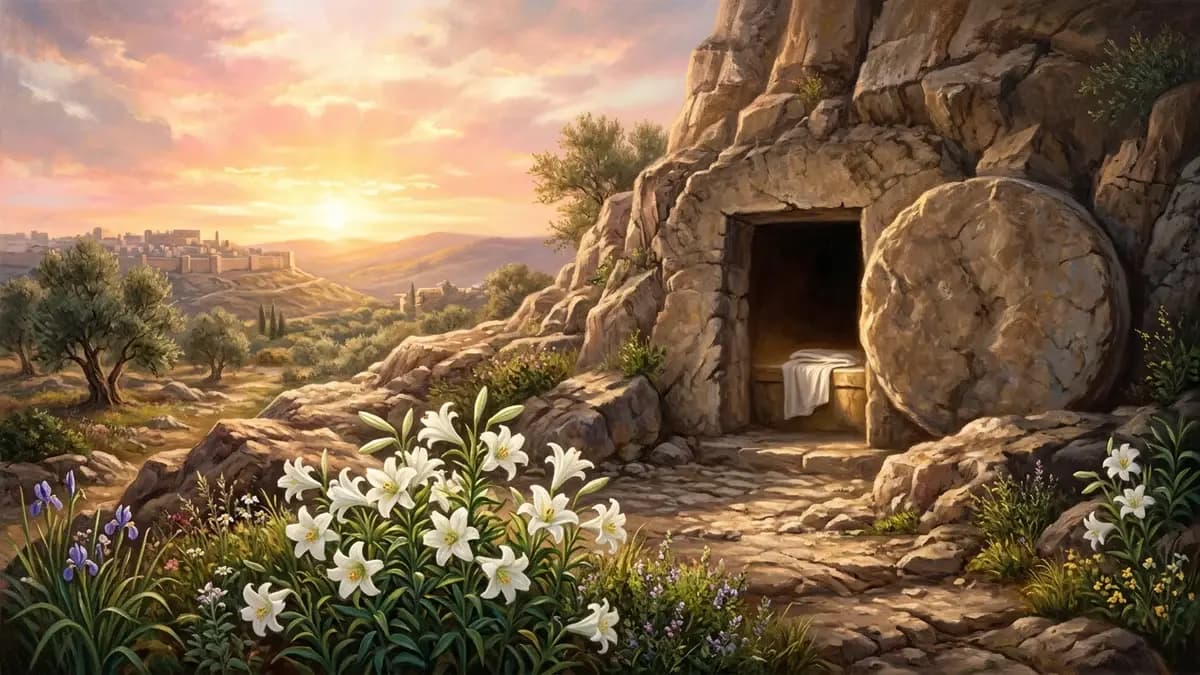
The Easter Season lasts fifty days until Pentecost — closing the liturgy of Christ’s ascension (Ascension) and opening the outpouring of the Holy Spirit upon the Church. This is an extended “Alleluia” week: readings from Acts and Paul’s letters emphasize the Church on mission.
After Pentecost: Ordinary Time
Ordinary Time is not a “filler” but the ordinary time of the Gospel: working, raising children, praying, evangelizing through daily life. The liturgical cycle of Gospel readings (Years A, B, C) proclaims the whole life of Christ.
Solemnities and Holy Days of Obligation
Depending on canon law and the diocese, some feasts are observed as obligatory Mass days (e.g., the Assumption, Feasts of the Apostles, Our Lady of the Rosary — the list is determined by the local bishops’ conference). Check your diocesan ordo; when traveling, ask the pastor for guidance.
Ordinary Time Is Not “Waiting for the Big Seasons”
Saint Paul reminds us to live by the Spirit while washing dishes, teaching, driving — that is the rhythm of Ordinary Time. Easter and Pentecost equip us with strength so that these tasks become witness, never separated from Sunday Mass. This article deliberately does not repeat lengthy “life” reflections on work; it simply connects the liturgical calendar with the daily vineyard.
Local Solemnities and the Life of Migrants
Vietnamese Catholics at home or abroad should know the calendar of the diocese where they are registered: holy days may differ, and Mass times in Vietnamese may vary. Checking the Ordo is not just “keeping the law” but showing belonging to a concrete community — a part of Christ’s Body where the Lord calls you today.
Easter Season and Family Celebrations
Weddings, national holidays, or vacations sometimes fall during the Easter Octave — not always avoidable. Give priority to Mass and the Sacraments, then arrange the celebration; if impossible, seek permission and pastoral guidance. Christian joy can remain amidst ordinary life without being diluted.
Pentecost: From “Celebrating in Church” to the Streets
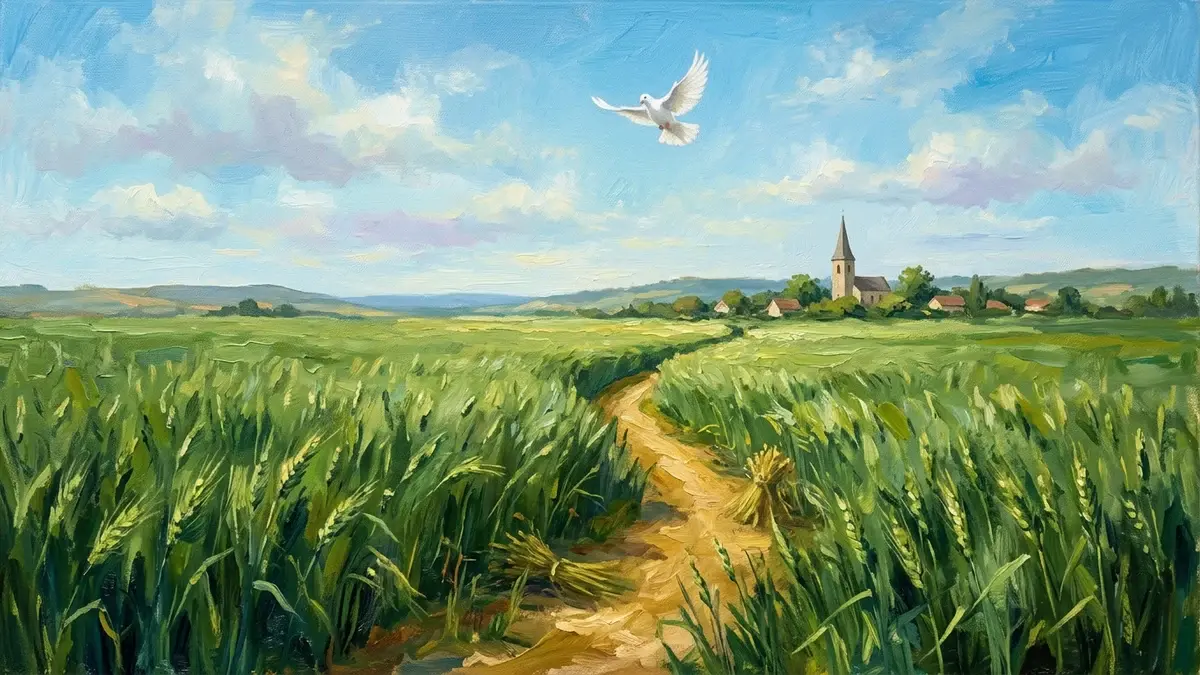
After fifty days, Pentecost reminds the Church not to keep God’s Word in a closed room. A practical suggestion: choose one concrete act of service in the week after Pentecost — visit the elderly, teach catechism, or help the parish fire watch — so that the “tongues of fire” are not just an image on vestments but missionary drive.
Practical Suggestions
- Keep Alleluia in songs and family prayers throughout the Easter season.
- On Pentecost: ask the Holy Spirit for a concrete mission in the coming week.
- In Ordinary Time: choose a stable service in the parish.