The covenant of grace is God’s unified redemptive plan throughout Scripture, revealing one Savior (Jesus Christ), one people (Jews and Gentiles united in the Church), and one purpose (gathering a holy nation for His glory). It unfolds progressively from Genesis to Revelation.
What is the Covenant of Grace?
The covenant of grace is the singular, unfolding narrative of God’s mercy toward fallen humanity. Immediately after the fall, God promised a Redeemer, establishing a gracious pact based on divine faithfulness, not human merit. Throughout salvation history, God administers this single covenant through various historical covenants with Noah, Abraham, Moses, and David. While administrative forms change, the substance remains identical: salvation by grace through faith in the promised Messiah. This framework prevents viewing the Testaments as disconnected. Instead, it reveals a continuous tapestry where God progressively reveals His plan to rescue sinners, culminating perfectly in the person and work of Jesus Christ. It is the golden thread weaving the entire biblical story together.
How Does Scripture Reveal One Savior?
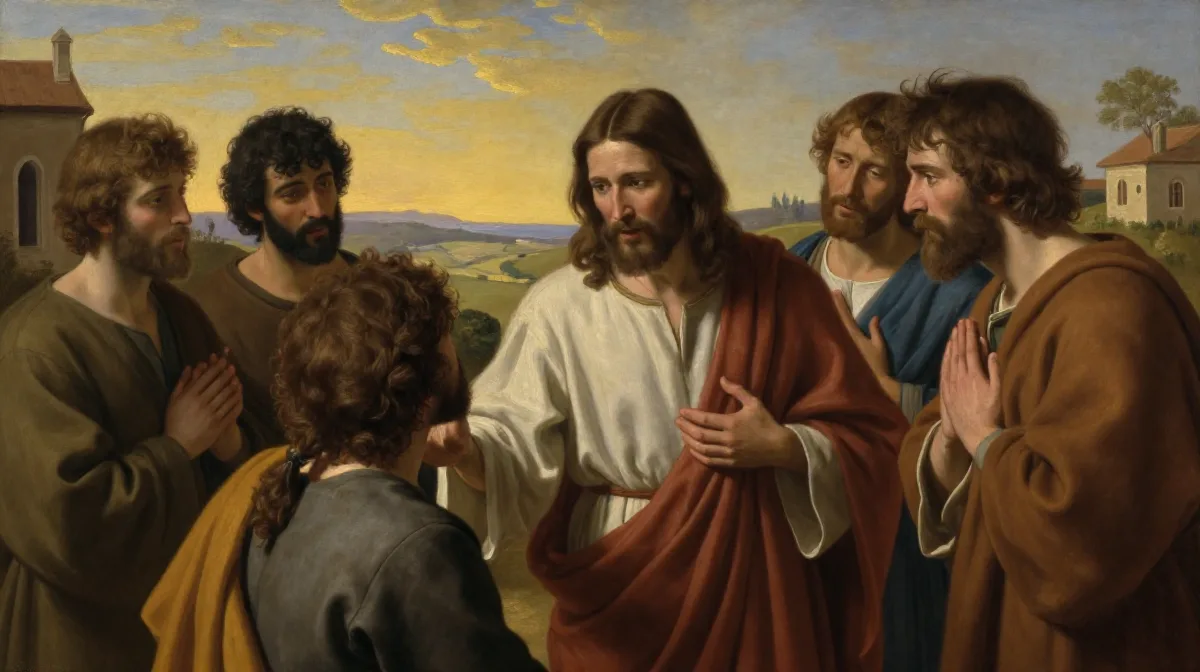
At the heart of this unified covenant is one Savior: Jesus Christ. He is the substance and mediator of every biblical administration. Old Testament saints looked forward to His coming, while New Testament believers look back to His finished work. According to Hebrews 9:15:
Therefore he is the mediator of a new covenant, that those who are called may receive the promised eternal inheritance.Christ is the true Seed of Abraham and the eternal King from David’s line. There is no other name by which we are saved. Recognizing one Savior dismantles any theology suggesting Old Testament believers were saved differently. From Eden to the new Jerusalem, the gospel remains centered on Christ's atoning sacrifice.
Why is There Only One People of God?
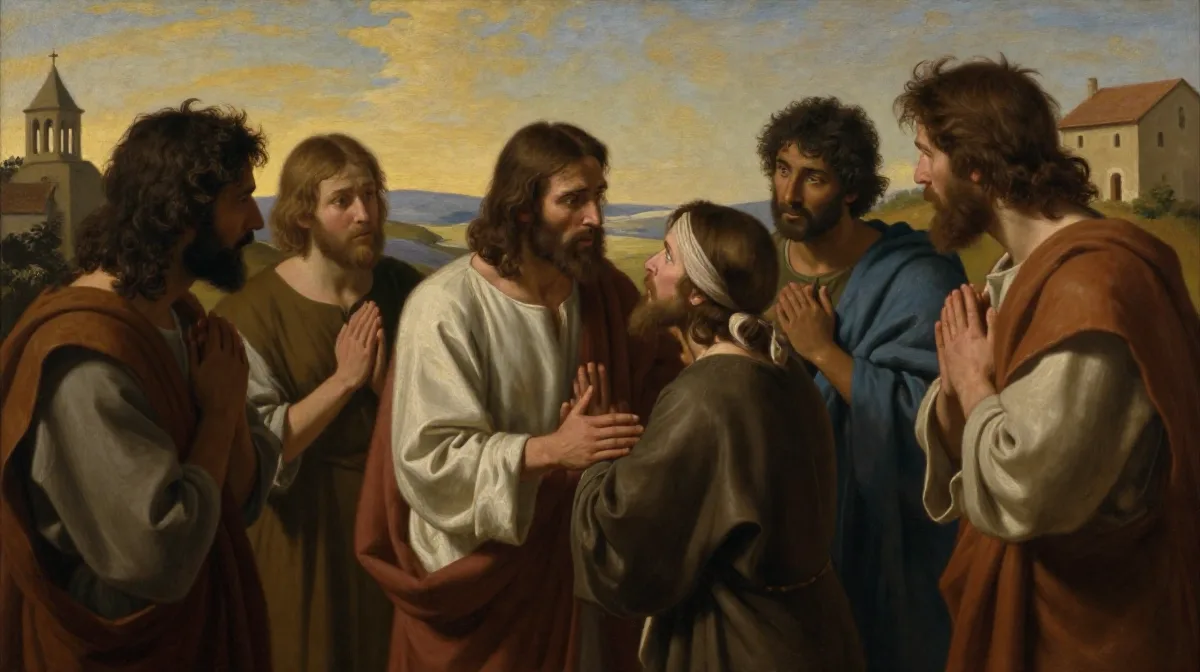
The covenant of grace creates one unified people. God’s promise to Abraham always intended to bless all nations, not just Israel. In the New Covenant, the dividing wall between Jew and Gentile is demolished. As Paul declares in Ephesians 2:14:
For he himself is our peace, who has made the two groups one and has destroyed the barrier, the dividing wall of hostility.The Church is the expansion and fulfillment of God’s ancient people, grafted into the one olive tree. This profound unity means ethnic and cultural distinctions no longer dictate our standing before God. We are baptized into one body, sharing one Spirit, called to live in radical harmony as the true seed of Abraham.
What is God's Ultimate Purpose in the Covenant?
God’s teleological goal in the covenant of grace is to gather a people from every nation for the praise of His glory. This missional purpose drives the entire biblical narrative. God saves us to form a royal priesthood. As Peter writes in 1 Peter 2:9:
But you are a chosen people, a royal priesthood, a holy nation... that you may declare the praises of him who called you out of darkness.This purpose culminates in Revelation, where a multitude from every tribe and nation worships before the throne. The covenant is ultimately doxological, restoring the Creator-creature relationship so God’s love is eternally celebrated by a redeemed, multiethnic family. This is the ultimate destiny of the Church.
How Does Covenant Unity Impact Christian Mission?
Understanding the covenant of grace profoundly shapes our mission. If there is one Savior and one people, our evangelism must be universally directed. The Great Commission fulfills God's covenant promise to bless all nations. Furthermore, this unity demands active racial reconciliation within the Church. We cannot love the Savior while despising His people. For believers struggling with assurance, this framework offers deep pastoral comfort: your salvation rests on the unbreakable, gracious covenant secured by Christ, not your fluctuating performance. This theological reality transforms our daily interactions, urging us to break down modern barriers just as Christ broke down ancient ones. We are called to build churches that reflect the multiethnic, unified beauty of the heavenly city.
Key Takeaways
- The covenant of grace is God's single, unified plan of salvation unfolding from Genesis to Revelation.
- Jesus Christ is the sole mediator and substance of the covenant, saving believers across all eras.
- Jews and Gentiles are united as one people in the Church, fulfilling the promise to Abraham.
- God's ultimate purpose is doxological: gathering a multiethnic people to proclaim His praises.
Conclusion
The covenant of grace beautifully ties together the entire biblical narrative. By recognizing one Savior, one people, and one purpose, we gain a cohesive understanding of Scripture that fuels our worship and mission. Embrace this glorious truth, and let it anchor your faith today.