The Books of the Bible Deep Dive Blueprint provides a structured, genre-based roadmap and a five-step study framework designed to help readers navigate Scripture with clarity and reverence. By combining thematic tracking, tailored reading paths, and practical worksheets, it transforms isolated reading into a unified, transformative encounter with God’s Word.
What is the Books of the Bible Deep Dive Blueprint?
The Books of the Bible Deep Dive Blueprint is a comprehensive methodology that moves beyond surface-level summaries to reveal the theological architecture of Scripture. Rather than treating the Old and New Testaments as disconnected libraries, this system maps the sixty-six books as a single, unfolding narrative of divine love. Readers access an interactive reading plan organized by literary genre and difficulty, ensuring steady progress without theological overwhelm. The blueprint includes a thematic thread tracker that visually connects covenant promises, kingdom expansion, and redemptive grace across centuries of authorship. Designed for skeptics, new believers, and seasoned theologians alike, it offers customized entry points and downloadable study worksheets. This approach replaces passive consumption with active engagement, inviting you to trace how the Holy Spirit guided human authors to compose a cohesive testimony of salvation.
How does literary genre shape your interpretation strategy?

Understanding literary genre is the cornerstone of faithful biblical exegesis. The Bible contains historical narrative, wisdom poetry, prophetic oracles, apocalyptic visions, and pastoral epistles, each demanding distinct hermeneutical principles. When approaching poetic books like the Psalms or Song of Solomon, readers must recognize metaphor, parallelism, and emotional cadence rather than expecting literal historical reporting. Prophetic literature, such as the writings of Isaiah or Jeremiah, employs covenant lawsuit patterns and symbolic imagery that point toward both immediate historical contexts and future fulfillment. Apocalyptic texts like Revelation utilize cosmic symbolism to reveal spiritual realities rather than chronological timelines. This genre-aware methodology ensures that historical accounts are read with archaeological sensitivity, while epistles are understood through their pastoral and doctrinal frameworks. Proper genre recognition prevents theological distortion and honors the inspired nature of each text.
Why did the biblical authors weave unified themes across sixty-six books?
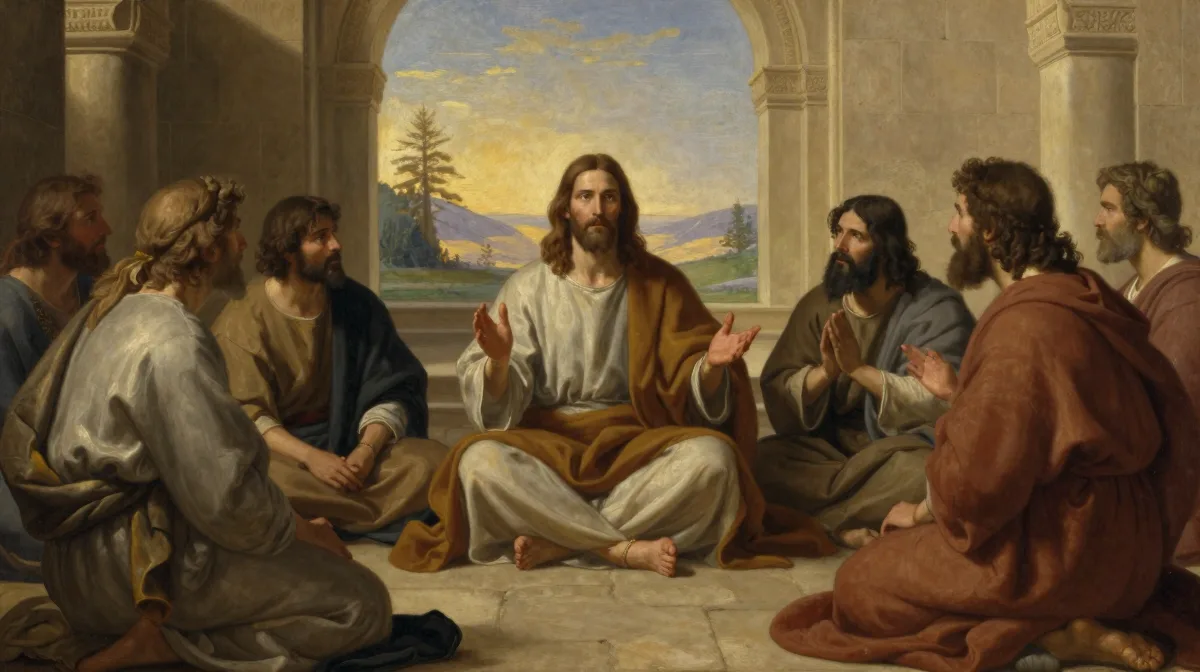
The biblical authors intentionally structured their writings to demonstrate that salvation history unfolds through interconnected promises. As established in Genesis 12:2, God’s initial covenant with Abraham establishes a pattern that echoes through every subsequent testament. Rather than presenting isolated moral lessons, the Old Testament narratives, wisdom collections, and prophetic warnings all anticipate a coming Messiah who would restore fractured humanity. This unified design becomes unmistakable when readers follow the thematic thread tracker across canonical boundaries. The blueprint highlights how exile in Babylon prepares for the incarnation, how Levitical sacrifices foreshadow the cross, and how the wisdom literature finds its ultimate fulfillment in Christ. Recognizing this deliberate continuity prevents fragmented reading and honors the divine orchestration behind human authorship.
How does a five-step framework transform casual reading into deep study?
A disciplined five-step framework replaces scattered reading with purposeful engagement. First, contextual orientation establishes the historical setting, original audience, and canonical placement of the chosen book. Second, literary analysis examines structure, key vocabulary, and repeated motifs without relying solely on modern commentaries. Third, thematic tracing follows covenantal threads across testaments, revealing how earlier promises find their fulfillment in Christ. Fourth, doctrinal reflection connects biblical truths to Catholic teaching, ensuring theological continuity and avoiding subjective interpretation. Finally, contemplative application transforms intellectual understanding into lived discipleship. According to sacred tradition, all inspired texts demand both scholarly rigor and spiritual receptivity. This systematic process dismantles common barriers such as confusion over archaic language or historical distance. By integrating study tools like concordances, cross-reference charts, and original language glossaries, readers develop a sustainable rhythm of prayerful study. As Jesus demonstrated in Luke 24:27, the Scriptures ultimately point to His redemptive mission, so every starting place converges on the same truth.
- Genre awareness prevents misinterpretation by aligning your reading method with the original author’s intent.
- A five-step framework transforms fragmented reading into a disciplined, theologically sound study practice.
- Customized reading plans ensure that skeptics, new believers, and seasoned scholars all find accessible entry points.
- Thematic tracking reveals how covenant, kingdom, and redemption weave through all sixty-six books as one unified narrative.
The Books of the Bible Deep Dive Blueprint invites you to move beyond superficial summaries and embrace a lifelong journey of sacred discovery. By honoring literary diversity, applying a structured framework, and tracing divine themes, you will encounter the living voice of God with clarity and reverence. Begin your study today, and let the Scriptures shape your mind, heart, and daily walk in Christ.