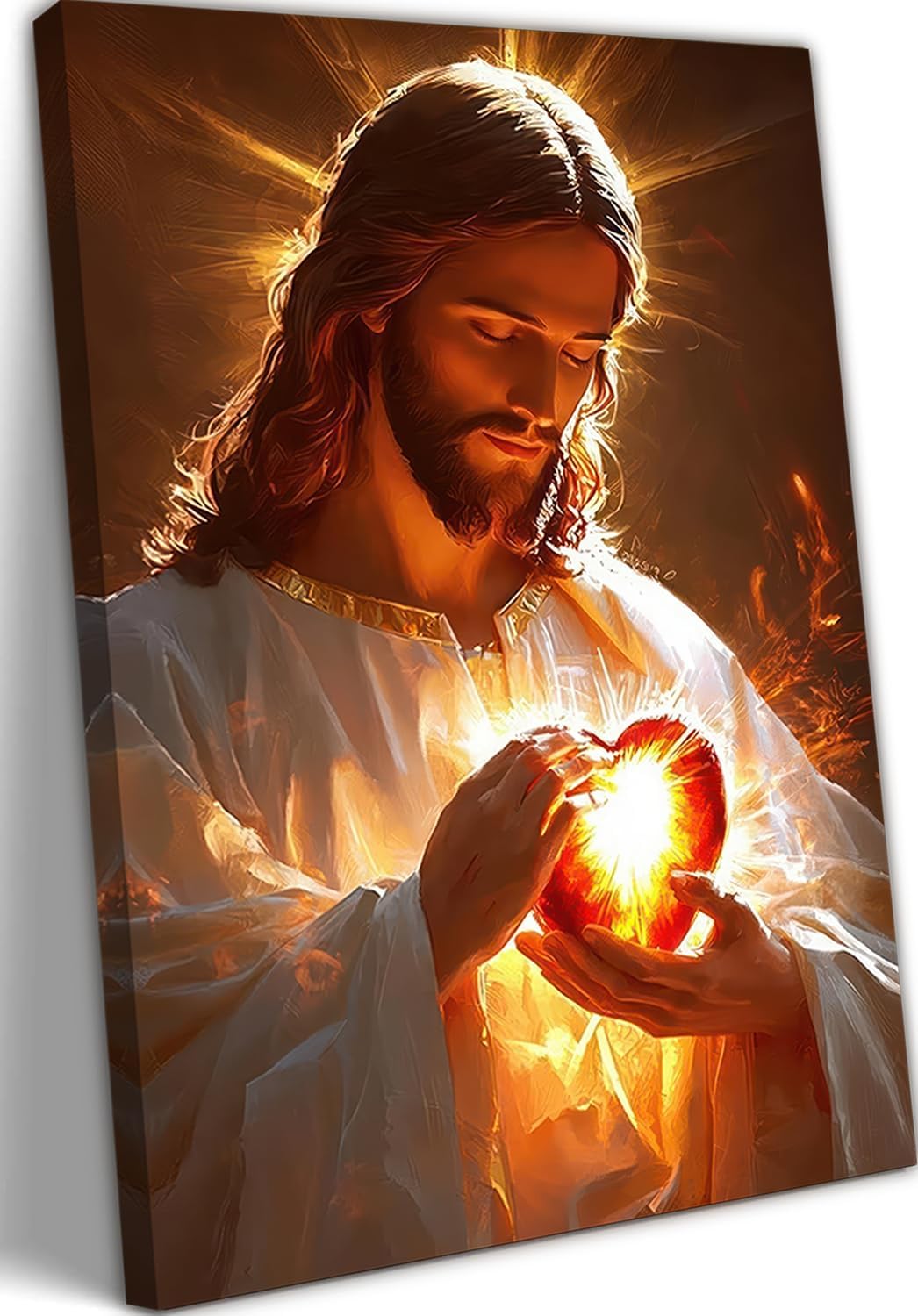
After the Gospel, the New Testament expands into the story of the early Church (Acts of the Apostles), epistles (explaining faith, ethics, and organization), and Revelation — the final revelation in imagery. Acts continues from the Gospel of Luke: the Holy Spirit descends on Pentecost, Peter and Paul preach, the Church crosses Jewish boundaries, and Rome remains the destination. Bible Gateway — Acts 2 is the introductory passage that should be memorized for its historical significance.
Paul's Letters and General Epistles
The letters are typically grouped before imprisonment, during imprisonment, and after imprisonment of Paul (an academic model, not a moral ‘ranking’). Romans and Galatians emphasize justification and covenant; Corinthians addresses division and the Eucharist; Ephesians and Colossians open the theology of the Head of the body; the small personal letters (Philemon…) demonstrate the Gospel in the master-slave family context (with historical notes). Hebrews comforts the persecuted community; James emphasizes good works; Peter leads in the present; John addresses love and factions in the first to third letters; Jude warns against abusing grace.
“For by grace you have been saved through faith.”
— Ephesians 2:8 (referencing the translation — interpreting in the context of the entire chapter)Revelation: the victory of the Lamb, not an entertaining apocalyptic script
Revelation is written in the context of a small oppressed Church under the empire; the language of temple, numbers, beasts, colors is drawn from the Old Testament and contemporary culture. It serves as a political-theological symbol (Lamb wins, New Jerusalem descends) rather than a YouTube viewing schedule. Britannica — Revelation summarizes the historical interpretive directions; Catholic commentary helps avoid numerology and hatred.

Liturgy and Parish Life
Many Sunday and feast readings are taken from the letters and Acts; Revelation appears seasonally. Studying these books in small groups with a guidebook that has imprimatur helps avoid deviations into ‘mysteries’ or ‘signs of the times’.
Summary
- Acts: Holy Spirit, expanding mission, Paul to Rome.
- Letters: faith, ethics, communion — rooted in the context of the original congregation.
- Revelation: symbolic revelation, hope of God's victory and the Lamb.
- Prioritize orthodox interpretation and Liturgy over social media decoding.