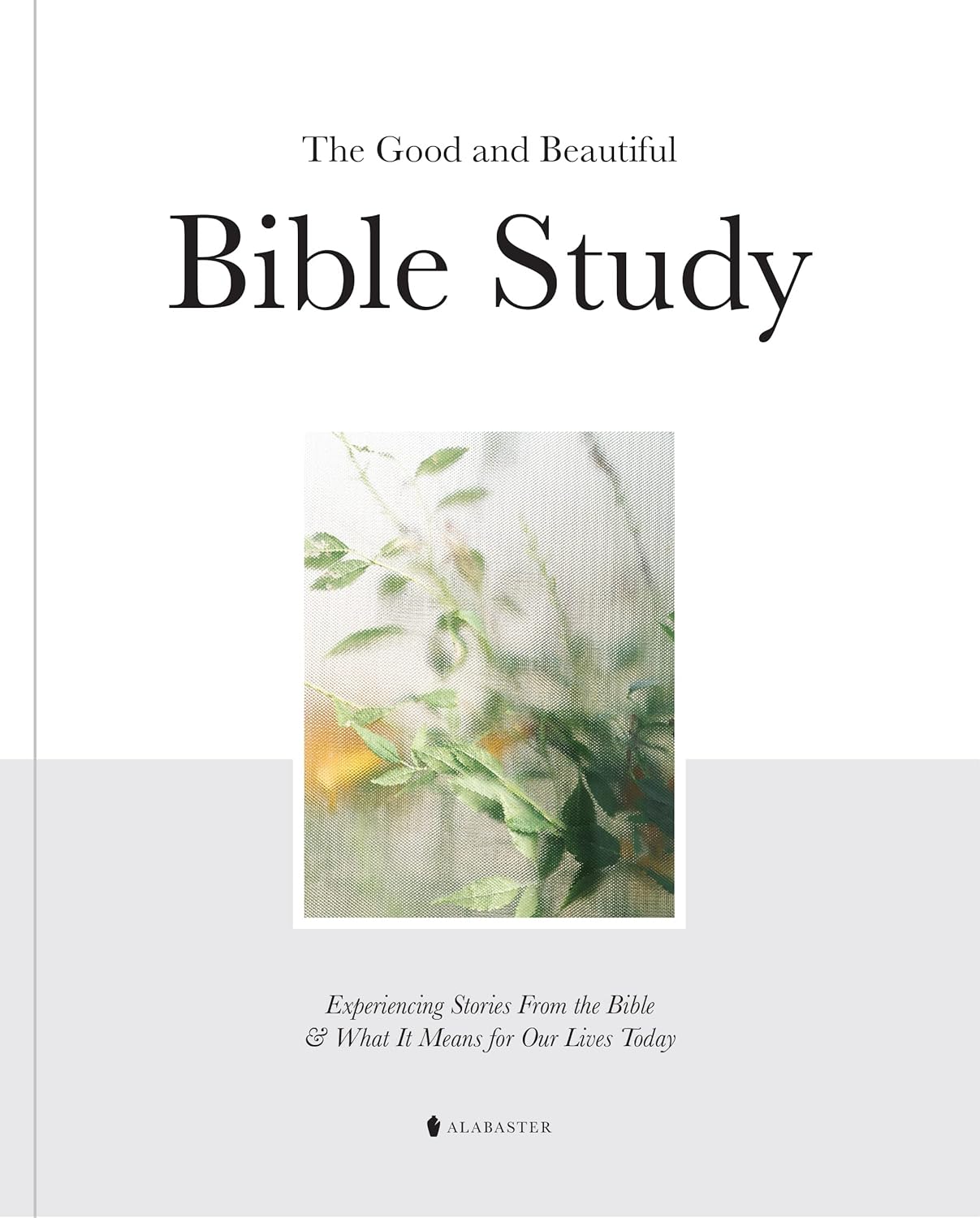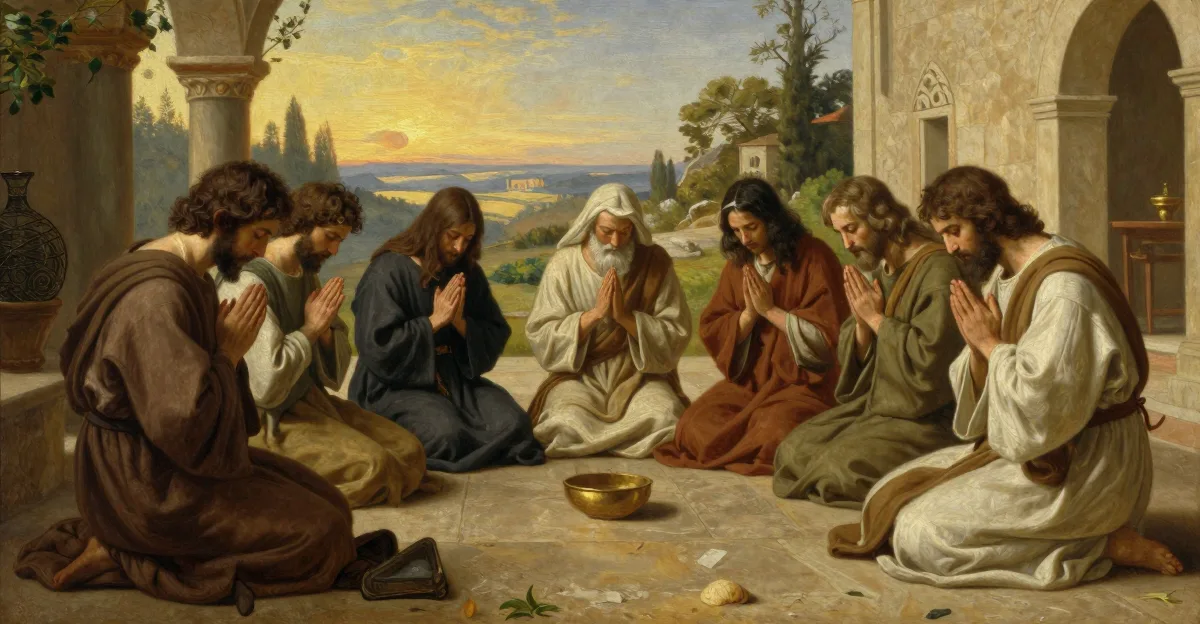
The Book of Acts is experiencing an unprecedented surge in popularity for Summer 2026 church studies. Major publishers like Cokesbury, Lifeway, and She Reads Truth have aligned their curricula around Acts, responding to Gen Z's desire for authentic community, post-pandemic restructuring, and a renewed call to bold evangelism. This movement reflects a return to the early church's Spirit-led model.
Why Are Churches Obsessed with the Book of Acts in Summer 2026?
The convergence of cultural, spiritual, and publishing trends has created a perfect storm for the Book of Acts in 2026. Curriculum editors report that churches are seeking a return to foundational Christian practices after years of pandemic disruption. According to Acts 2:42, the early church devoted themselves to the apostles' teaching, fellowship, breaking of bread, and prayer. Modern congregations are rediscovering these pillars as essential for spiritual vitality. Publishers have responded by releasing over twenty Acts-focused studies for the summer quarter, emphasizing both verse-by-verse exploration and thematic applications. This coordinated publishing effort signals a broader ecclesial shift toward experiential faith and community-driven discipleship. The Book of Acts provides a biblical blueprint for churches navigating attendance fluctuations, leadership transitions, and the desire for authentic spiritual formation.
How Does Gen Z's Desire for Authenticity Drive This Trend?
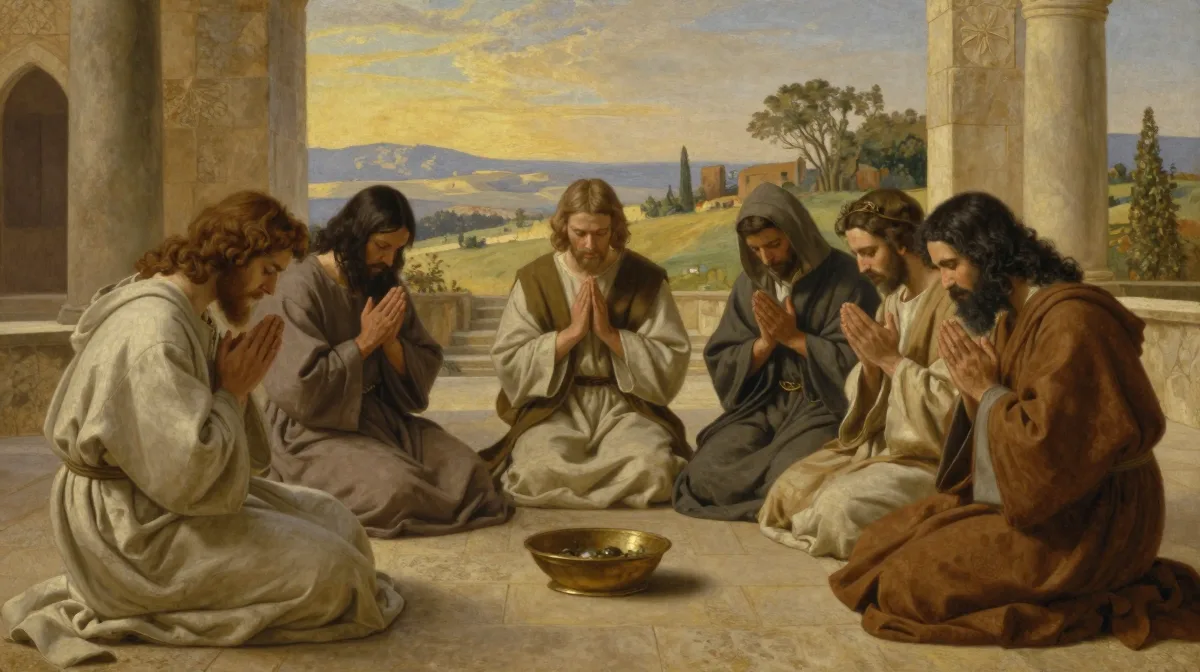
Generation Z is reshaping church culture by prioritizing authenticity over polished programs. Young adults are drawn to the raw, unfiltered narratives of the early church found in the Book of Acts. According to Acts 4:31, the believers were filled with the Holy Spirit and spoke the word of God boldly. This boldness resonates with a generation tired of performative religion and hungry for genuine community. Survey data indicates that Gen Z attendance is rising in churches that emphasize relational discipleship and transparent leadership. The early church's model of shared resources, communal worship, and fearless witness aligns with contemporary desires for purpose-driven faith. Churches are adapting by creating smaller, mission-oriented groups that mirror the house church dynamics of Acts. This shift is not merely a trend but a theological realignment toward the Spirit-empowered community that Jesus established.
What Did the Early Church Do Differently?
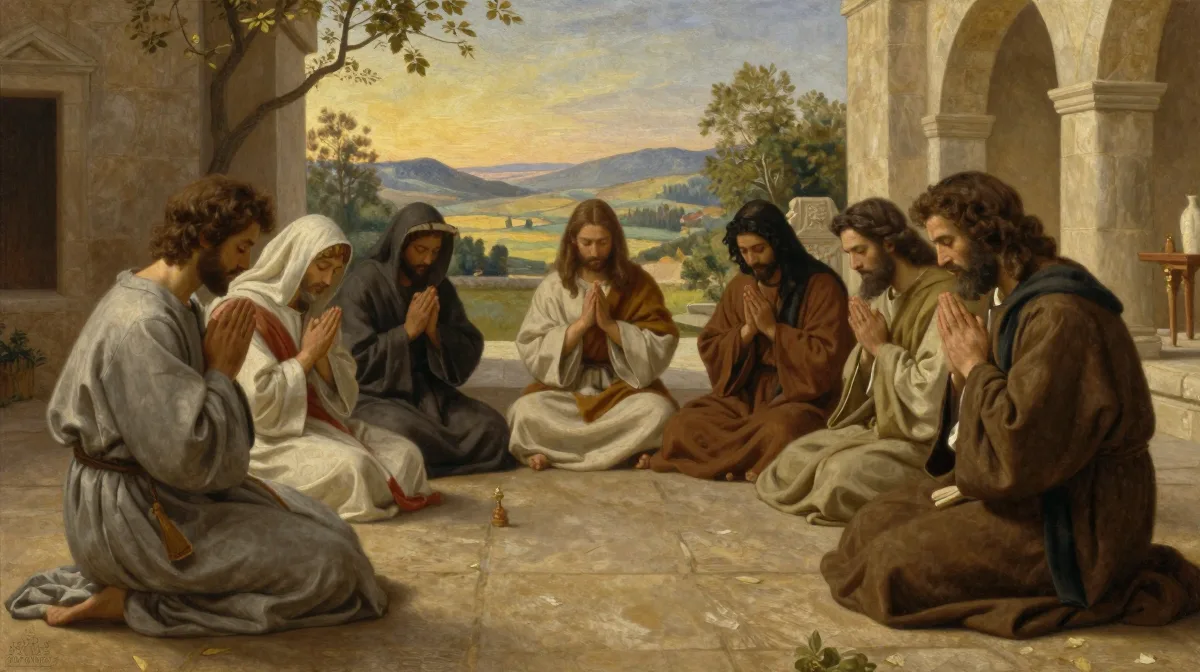
The early church operated with a radical simplicity that modern congregations can replicate. First, they prioritized Spirit-led leadership over institutional hierarchy. Second, they practiced radical generosity, sharing possessions to meet communal needs. Third, they embraced bold evangelism despite persecution, trusting God for growth. According to Acts 2:47, the Lord added to their number daily those who were being saved. Modern churches can implement these practices by fostering small group accountability, simplifying administrative structures, and prioritizing evangelistic outreach. The Book of Acts demonstrates that church growth is not a product of marketing but of obedience to the Holy Spirit. By returning to these foundational practices, congregations can experience renewed spiritual vitality and community impact.
How Can Modern Churches Apply the Acts Model Today?
Implementing the Book of Acts framework requires intentional shifts in church culture and structure. Leaders should prioritize prayer and Scripture study as the foundation of all ministry initiatives. Small groups should transition from discussion-based formats to mission-driven communities that serve local needs. Churches can also adopt a shared resource model, encouraging members to support one another practically and financially. Evangelism must be integrated into weekly gatherings, equipping believers to share their faith naturally. The Book of Acts provides a timeless blueprint for Spirit-empowered ministry that transcends cultural shifts. By embracing these practices, modern congregations can experience the same transformative growth witnessed in the early church.
- The Book of Acts offers a biblical blueprint for Spirit-led community and bold evangelism.
- Gen Z's hunger for authenticity is driving churches toward early church models.
- Major publishers are aligning Summer 2026 curricula around Acts to meet this demand.
- Modern churches can implement Acts practices through small groups, generosity, and prayer.
Conclusion
The Summer 2026 focus on the Book of Acts is more than a publishing trend; it is a spiritual awakening. Churches are rediscovering the power of the early church model to transform communities and equip believers for bold witness. By returning to the foundational practices of Acts, congregations can experience renewed vitality and deeper communion with the Holy Spirit. The early church's example remains a timeless guide for modern believers seeking authentic faith and purposeful ministry.