The theme of the image of God (Latin imago Dei) is one of the pillars for understanding human dignity in the Bible. Sites such as Bible Gateway often list key passages; thematic guides (e.g., in the style of BibleProject Themes) recommend reading throughout the Old and New Testaments to see how this idea is fulfilled in Christ. One should not just read a verse from Genesis and stop: one should add the letters to the Romans, Colossians, and passages about loving the poor — because 'image' in the Bible is tied to ethics and community, not just abstract philosophy.

Genesis: creation, rest, and loving stewardship
The book of Genesis describes human beings as created in the image of God, male and female — emphasizing both communion and responsibility for caring for creation. 'Dominion' here is not oppressive power but stewardship under the kingship of God. When studying this theme, continue reading the story of the Fall: the image is marred by sin, but promise and grace open the way to restoration.
Then God said, 'Let us make man in our image, after our likeness.'
— Genesis 1:26a (reference)The New Testament: Christ is the invisible image
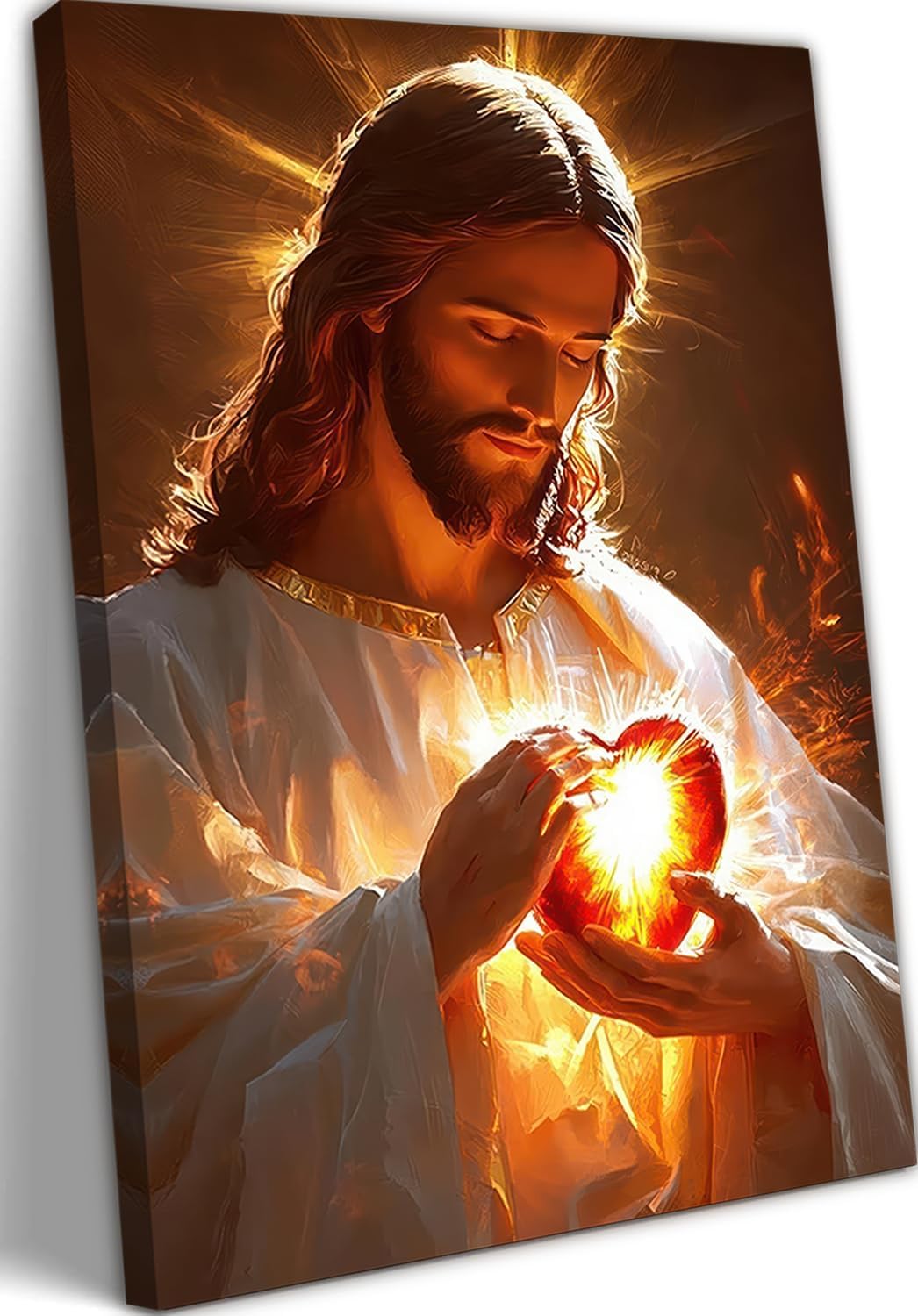
The letters emphasize that Jesus is the exact likeness of God, and believers are renewed, transformed according to that image. Reading the theme of 'image' together with 'new creation' and 'body of Christ' helps avoid reducing dignity to mere individual spirituality while forgetting community and the least of these.
He is the image of the invisible God, the firstborn of all creation.
— Colossians 1:15 (reference)
Application: dignity, justice, and care for creation
Christian organizations often draw on this theme to remind us to protect the vulnerable, oppose discrimination, and care for the environment — because everyone bears the mark of the Creator. Studying the theme should end with a concrete action: visiting the lonely, supporting a meal, or reducing waste — expressing loving stewardship.
Comparative passage
Read Gen 1:26–28; Gen 9:6 (Noahic covenant); Mt 25:31–46; James 3:9 — note what each passage says about human value and responsibility toward 'the least of these.'
Summary
- Image of God: dignity, male and female, communion, stewardship of creation.
- After the Fall: need for salvation; New Testament: Christ is the full image.
- Application: social justice, care for the poor, ecological responsibility.
- Method: read across many books, connecting Genesis with the Gospels and Epistles.