A Bible themes deep dive reveals how divine truth unfolds progressively across Scripture, connecting Genesis to Revelation through recurring motifs like covenant, exile, and redemption. By systematically mapping these sacred patterns, readers discover the unified narrative of God’s salvific plan for humanity.
What Is a Biblical Theme and How Does It Unfold Across Salvation History?
Biblical themes are not isolated ideas but living threads woven throughout salvation history. When we trace a concept like the temple, we observe its evolution from Eden’s garden sanctuary to Solomon’s stone edifice, then to the incarnate Christ, and finally to the New Jerusalem. According to 1 Corinthians 3:16, believers collectively form God’s dwelling place, fulfilling this trajectory. Lesser-known motifs such as blood covenants and Sabbath rest operate similarly, establishing rhythmic patterns of divine encounter. The Catholic tradition emphasizes typology, recognizing how early events prefigure later revelations. By charting these developments on a chronological framework, students of Scripture witness how minor motifs mature into central doctrines. This visual mapping approach transforms abstract theology into a tangible pilgrimage, revealing how God’s self-revelation intensifies across covenants while maintaining perfect continuity. Such thematic progression demonstrates that Scripture functions as a single, coherent revelation rather than a collection of disjointed texts.
How Do Different Biblical Genres Shape Theological Concepts?
Literary Forms and Sacred Truth
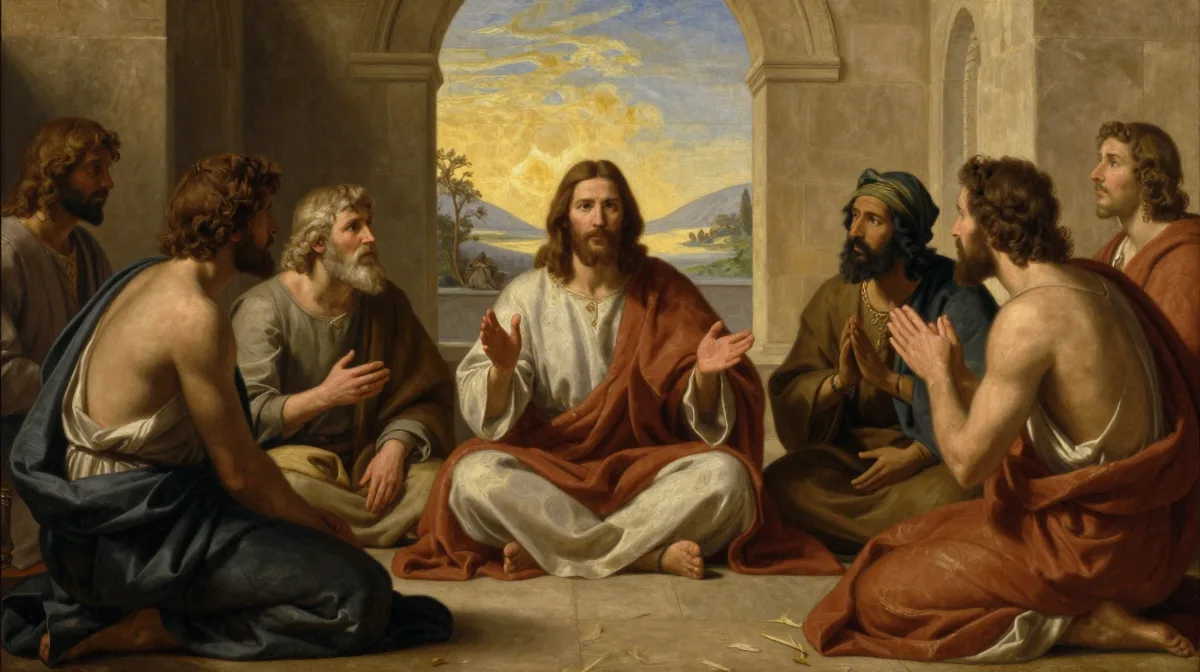
The expression of sacred truth shifts dramatically depending on whether we are reading historical narrative, wisdom poetry, prophetic oracle, or apostolic epistle. In Genesis, the theme of exile unfolds through narrative action, showing Adam, Eve, and later the patriarchs experiencing displacement. Conversely, the Psalter articulates exile through raw lament and longing, giving voice to the soul’s separation from divine presence. Prophets like Isaiah and Jeremiah employ vivid metaphor and symbolic action to warn of covenantal breach, while Pauline letters systematize these motifs into doctrinal instruction. Recognizing these literary contours prevents misinterpretation and honors the inspired author’s intent. When we approach each book according to its genre, we allow the Holy Spirit to speak through the specific rhetorical tools chosen for that sacred text. This literary sensitivity enriches both academic study and spiritual reflection.
Why Do Themes Like Justice and Mercy Create Apparent Tensions?

At first glance, divine justice and divine mercy appear to pull in opposite directions, yet Catholic theology teaches they harmonize perfectly within the cross. The Old Testament emphasizes righteous judgment against oppression, while the Gospels highlight Christ’s radical compassion. Rather than competing, these attributes fulfill one another through sacrificial love. As the Apostle Paul explains in Romans 3:26, God demonstrates both justice and justification simultaneously.
“Mercy and truth are met together; righteousness and peace have kissed each other.” (Psalm 85:10)When readers encounter thematic tension, they are invited toward the paschal mystery, where these virtues converge. This resolution does not dilute either concept; instead, it reveals the profound unity of God’s character.
How Can You Practice Theme-Spotting in Personal Study?
Building Your Theme-Tracing Framework
Developing a theme-tracing habit requires intentional tools and consistent engagement. Begin by selecting a single motif, such as the kingdom of God or living water, and create a dedicated notebook or digital worksheet. Read chronologically or canonically, recording every occurrence alongside its historical context and literary form. Ask yourself three guiding questions: How does this theme evolve? What human problem does it address? How does it point toward Christ? Downloadable theme-tracing worksheets can structure your observations, prompting you to note color-coded shifts in tone, covenantal developments, and typological connections. Over time, this disciplined practice transforms casual reading into scholarly meditation. You will begin noticing subtle echoes of Exodus in Revelation or Sabbath rest in Hebrews, deepening your appreciation for Scripture’s divine architecture. This methodical approach ensures that personal devotion remains rooted in sound exegesis and theological reflection.
- Biblical themes develop progressively across salvation history, moving from promise to fulfillment.
- Each literary genre shapes theological expression, requiring genre-sensitive interpretation.
- Apparent tensions like justice and mercy converge perfectly in the paschal mystery.
- Structured theme-tracing worksheets transform passive reading into active, scholarly engagement.
How Does Understanding Biblical Themes Conclude Our Spiritual Journey?
A comprehensive exploration of biblical themes reveals that Scripture is a living dialogue between heaven and earth. When we trace motifs like covenant, exile, and redemption, we participate in the ancient tradition of lectio divina, allowing the Word to shape our minds and hearts. The Catholic approach to Scripture honors both historical development and spiritual unity, recognizing that every book points toward the incarnate Logos. By employing visual timelines, genre-aware reading, and practical tracing exercises, believers can move beyond fragmented verses to grasp the grand narrative. May your study be illuminated by the Holy Spirit, guiding you from initial curiosity to profound encounter with the living God. As you walk through the biblical timeline, let these recurring themes anchor your faith, reminding you that God’s story is still unfolding within the Church and within your own life.