Biblical memorials are intentional, tangible markers created to preserve God’s faithfulness for future generations. In Joshua 4:6-7, Israelites gathered twelve river stones to serve as a lasting witness to divine provision. Today, these stones of remembrance offer a vital spiritual discipline that combats modern forgetfulness and deepens generational faith.
What Are Biblical Memorials and Why Do They Matter?
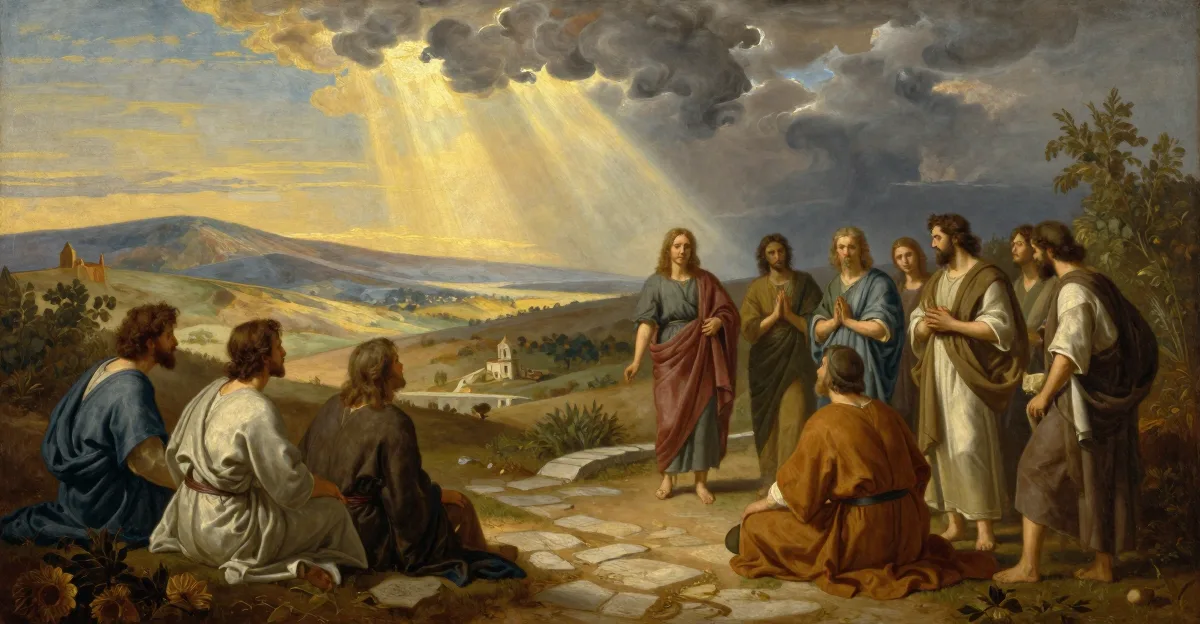
Scripture consistently reveals God’s desire for His people to remember His saving acts through physical markers. When the Israelites crossed the Jordan River, Joshua commanded each tribe to take a stone from the riverbed and place it at Gilgal. This was not mere archaeology; it was sacred pedagogy. According to Catholic theological tradition, God uses material signs to communicate spiritual realities, ensuring that salvation history remains present rather than distant. Beyond Joshua, Scripture records Jacob setting up a pillar at Bethel, Samuel raising the Ebenezer stone near Mizpah, and Christ instituting the Eucharist with a direct command to remember Him. As recorded in Joshua 4:6-7, the stones were meant to prompt children to ask about God’s works.
When your children ask you in time to come, What do these stones mean to you? Then you shall tell your children that the waters of the Jordan were cut off before the ark of the covenant.
These memorials anchor abstract divine promises in concrete human experience. In a culture saturated with fleeting digital content, tangible memorials restore the weight of glory to our spiritual journey. They transform passive hearing into active witnessing, ensuring that the next generation inherits a living faith rather than a forgotten history.
Why Did God Command Physical Stones Instead of Mental Notes?
Modern cognitive science confirms what ancient Israel instinctively practiced: human memory is deeply embodied and context-dependent. Neurologists explain that episodic memory strengthens when paired with spatial cues, tactile engagement, and visual anchors. A digital notification fades into background noise, but a carved stone, a ritual practice, or a physical journal creates neural pathways that endure. Theologically, this reflects the Incarnational reality of our faith. God entered human history through flesh, blood, and material creation, sanctifying matter as a vehicle for grace. According to 1 Samuel 7:12, Samuel recognized the necessity of a physical witness to God’s intervention.
Then Samuel took a stone and set it up between Mizpah and Shen and called its name Ebenezer, for he said, Till now the Lord has helped us.
When believers encounter difficulty, the brain naturally prioritizes threat and anxiety over past grace. Physical memorials interrupt this cognitive bias by forcing attention toward documented faithfulness. They do not replace prayer or Scripture; rather, they amplify them. When believers physically engage with these markers during times of doubt, they activate what psychologists call retrieval practice, strengthening the neural connections associated with trust and hope.
How Does a Modern Memorial-Building Framework Work?
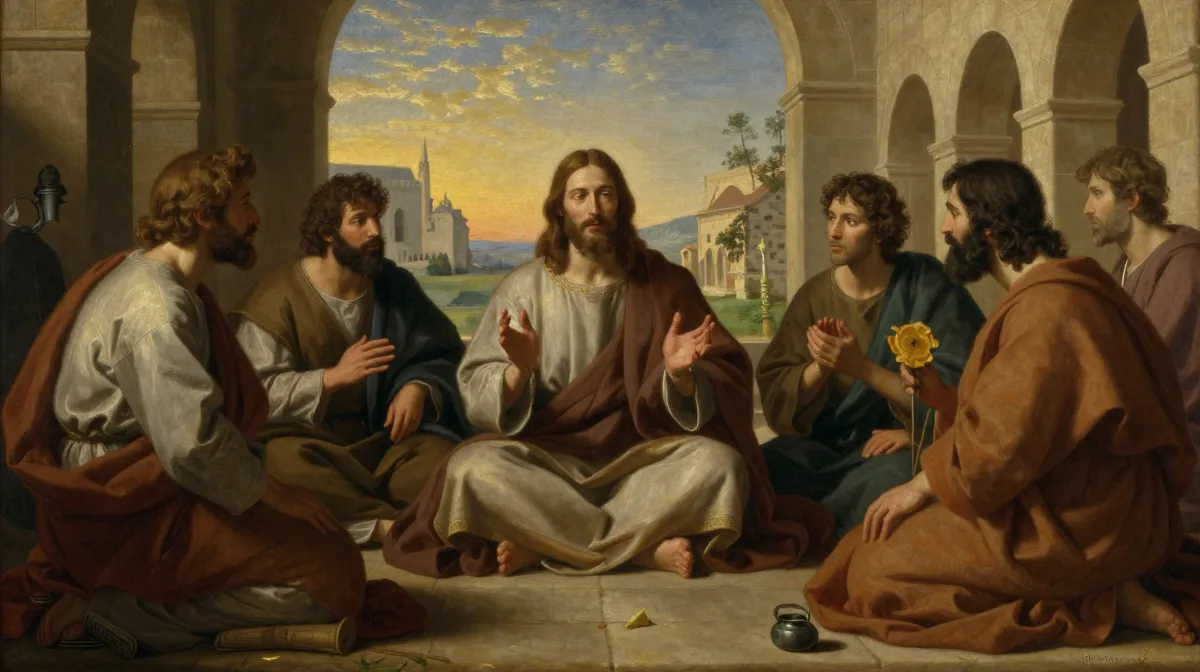
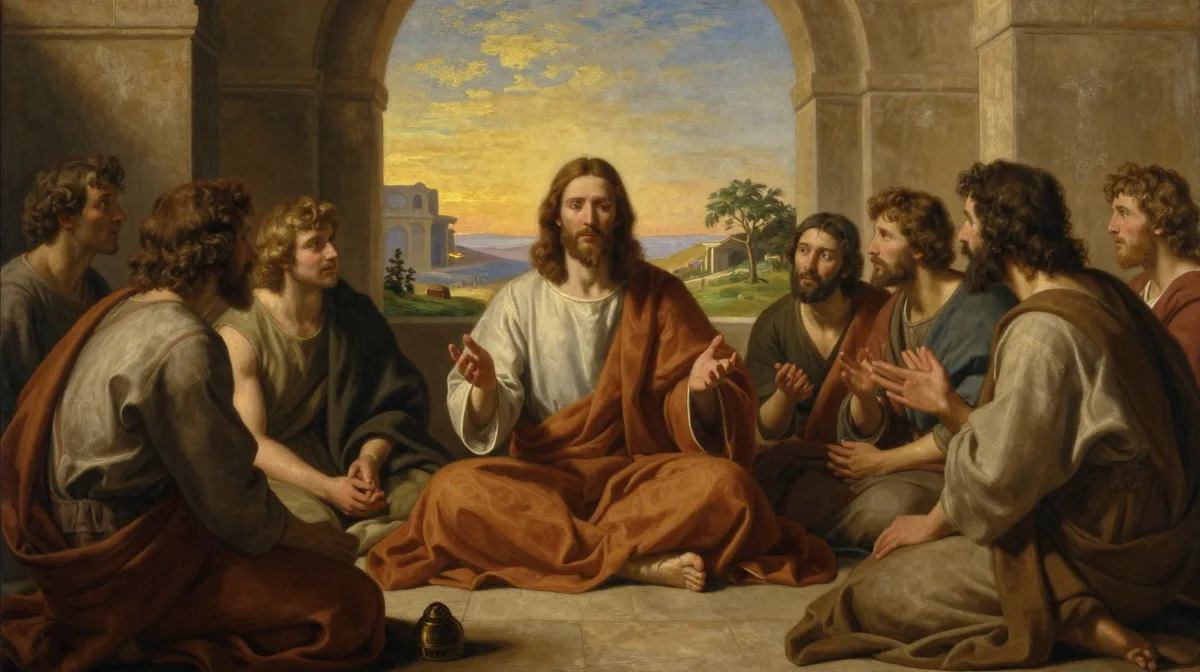
Building biblical memorials today requires intentionality, not perfection. A faithful approach adapts ancient wisdom to contemporary rhythms through five distinct practices. First, physical objects like framed prayers, engraved crosses, or family heirlooms anchor daily routines in grace. Second, digital archives preserve testimonies, audio recordings, and curated photo collections that can be easily shared across households. Third, ritual practices, such as lighting a candle on the anniversary of a baptism, create temporal markers that shape liturgical time. Fourth, structured journaling systems encourage believers to record both celebratory milestones and redemptive suffering. Fifth, community monuments like parish prayer walls foster corporate remembrance. According to Luke 22:19, Christ established a perpetual memorial through simple, accessible elements.
Do this in remembrance of me.
When implementing this framework, begin with simplicity. Select one memory of God’s faithfulness, choose an appropriate medium, and invite family or parishioners to interact with it regularly. Start by dedicating one afternoon to curate your first memorial, ensuring it remains visible and accessible for daily reflection. The goal is not aesthetic perfection but enduring witness that outlasts cultural trends and transforms private grace into public testimony.
Key Takeaways
- Biblical memorials use physical objects to anchor spiritual truths and combat modern forgetfulness.
- Cognitive science confirms that tangible markers create stronger neural pathways than digital reminders.
- A five-step framework includes physical objects, digital archives, rituals, journaling, and community monuments.
- Both celebratory and painful memories can be transformed into redemptive witnesses when intentionally preserved.
The stones of Gilgal still speak across the centuries, calling the Church to remember what God has done. In an age that glorifies the new while discarding the old, building memorials is a quiet rebellion of faith. Whether through a simple family altar, a parish testimony archive, or a disciplined journaling practice, these sacred markers keep our hearts tethered to divine providence. As Catholics and Christians, we are called to be a people of memory, passing down stories of grace like heirlooms rather than footnotes. Take time this week to gather one stone, write one testimony, or establish one tradition that honors God’s faithfulness in your life. Let your memorials become living sermons for those who will walk the path after you.