What Does the Bible Say About Women Pastors?
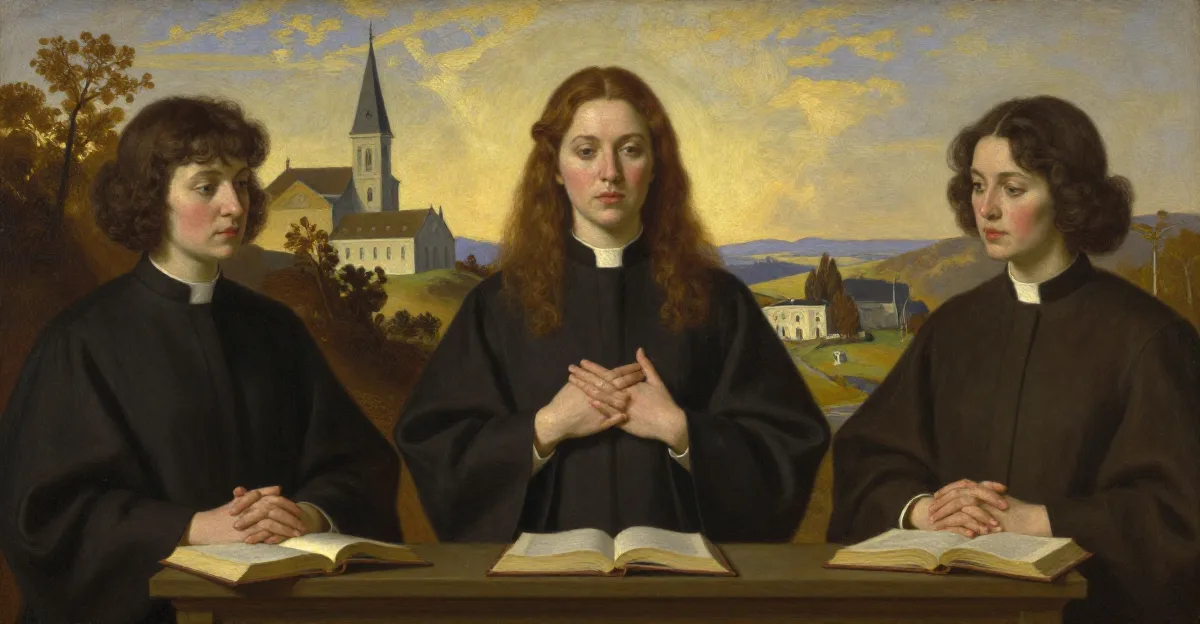
The Bible presents a complex picture of women in leadership. Key texts like 1 Timothy 2:12 restrict women from teaching authority over men, while passages like Galatians 3:28 affirm spiritual equality and Scripture records women serving as prophets, judges, deacons, and apostolic coworkers. The Southern Baptist Convention's recent constitutional amendments have intensified debate over how churches should interpret these texts today.
Why Did the SBC Vote to Ban Women Pastors?
Between 2023 and 2026, the Southern Baptist Convention moved from decades of tolerated diversity to active enforcement. In 2023, messengers voted to expel churches like Saddleback Church for appointing women as pastors. The pivotal moment came with the Truth and Unity Amendment, which added language to the Baptist Faith and Message stating that the pastoral office is limited to men. By the 2026 annual meeting in Orlando, this amendment was ratified into the SBC constitution, making churches with women pastors ineligible for cooperation. This represented a dramatic shift from the prior posture of local church autonomy that had allowed complementarian-leaning churches to employ women in various ministry staff roles for generations.
What Does 1 Timothy 2:12 Actually Say in Greek?

The central text in this debate is 1 Timothy 2:11-14. The apostle Paul writes:
"I do not permit a woman to teach or to assume authority over a man; she must be quiet."The Greek word authentein, translated "assume authority," is pivotal. Complementarian scholars argue it simply means exercising legitimate authority, making any pastoral role over men impermissible for women. Egalitarian scholars note that authentein appears nowhere else in the New Testament and may carry a negative connotation such as "domineer" or "usurp authority," suggesting Paul was addressing a specific disruptive situation in Ephesus rather than issuing a universal prohibition. Both sides appeal to Paul's reference to creation order — that Adam was formed first — as either a transcultural principle or a situation-specific argument addressing local heresy.
How Does Galatians 3:28 Factor Into the Debate?
Egalitarian Christians point to Galatians 3:28 as a foundational text:
"There is neither Jew nor Gentile, neither slave nor free, nor is there male and female, for you are all one in Christ Jesus."They argue this verse dismantles hierarchical structures and that the Spirit's gifting, not gender, determines ministry roles. Complementarians respond that this passage addresses soteriological equality — equal standing in salvation — not the elimination of all role distinctions, just as it does not erase distinctions between Jew and Gentile in every context. They maintain that equality in value before God is compatible with differentiated functions in church governance.
What About Women Leaders in the Bible?
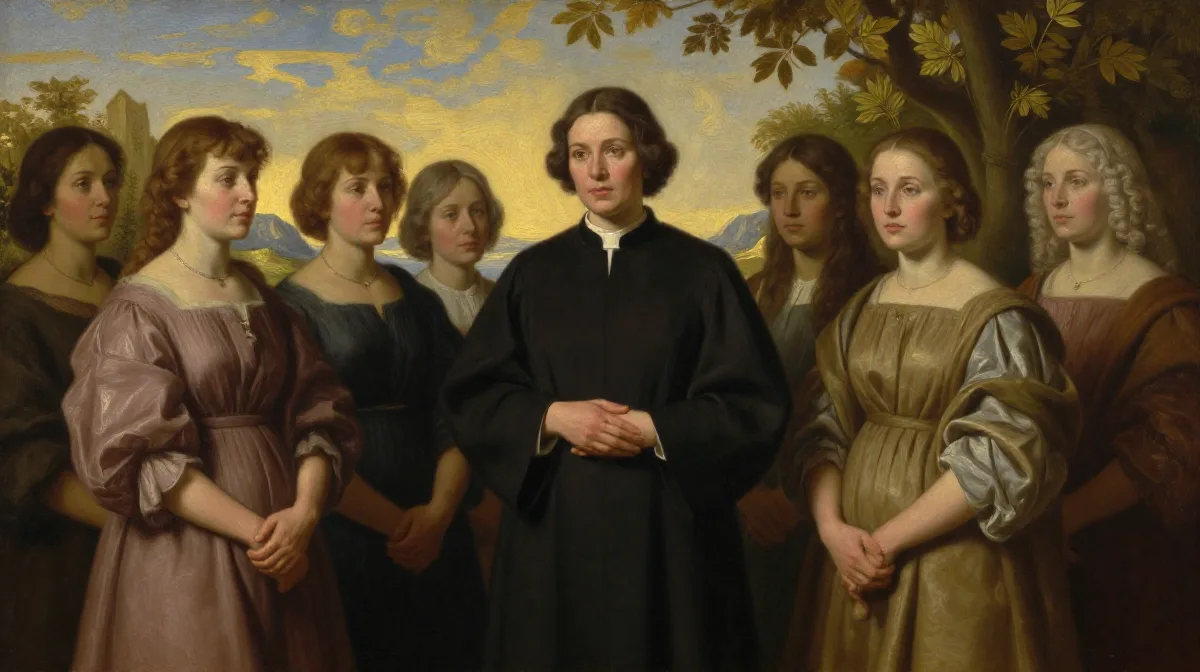
Scripture records numerous women exercising significant leadership. Deborah served as a judge over all Israel in Judges 4:4. Huldah was a prophetess whose authority was sought by the high priest and king in 2 Kings 22:14. Priscilla, alongside her husband Aquila, instructed Apollos in Acts 18:26. Phoebe is called a diakonos (deacon or minister) of the church in Romans 16:1-2. Junia is described as "outstanding among the apostles" in Romans 16:7. Complementarians argue these examples represent extraordinary circumstances or roles distinct from the settled pastoral-elder office. Egalitarians contend these women exercised the very functions now being restricted and that the New Testament pattern supports women in all forms of ministry.
How Does This Affect Churches and Women Today?
The practical implications are significant. Women currently serving as pastors in SBC-affiliated churches face the difficult choice of resigning their titles or losing denominational partnership. Churches with mixed convictions must navigate congregational unity while remaining faithful to their understanding of Scripture. Seminary students who are women must reconsider their vocational paths. Many evangelical women report feeling deeply wounded by the debate, regardless of their theological position. Churches are encouraged to pursue this conversation with grace, recognizing that faithful Christians on both sides seek to honor Scripture and that the manner of discussion reflects the character of Christ to a watching world.
Key Takeaways
- The debate centers on whether 1 Timothy 2:12 is a universal command or a situation-specific instruction addressing local problems in Ephesus.
- The SBC's 2023-2026 constitutional amendments formally restrict the pastoral office to men, shifting from prior tolerance of local church autonomy on this question.
- Scripture records women in significant leadership roles including judges, prophets, deacons, and apostolic coworkers, which both sides interpret differently.
- Faithful Christians hold sincere, Scripture-based convictions on both complementarian and egalitarian positions, and the conversation demands grace and charity.
How Should Christians Navigate This Controversy?
Whether your conviction leans complementarian or egalitarian, the call is to handle Scripture with integrity and one another with love. Complementarians should affirm the full dignity, gifting, and value of women in the church while being honest about the tensions in their position. Egalitarians should respect the seriousness of the complementarian appeal to biblical texts while advocating for the full deployment of women's gifts. Every church must prayerfully study the relevant passages, consult trusted scholarship, and seek the guidance of the Holy Spirit. Above all, remember that the unity of the body of Christ depends not on uniformity of every conclusion but on shared devotion to Jesus Christ as Lord.