The Vietnamese term 'lead pastor' is often associated with the Protestant church model where one person leads the preaching. In the original Scriptures, we encounter concepts such as 'shepherd' (the image of a shepherd), 'overseer' (episkopos), 'elder' (presbyteros), and 'servant' (diakonos) — each word emphasizes an aspect of serving and caring for the flock of Christ.

The Shepherd and the Flock
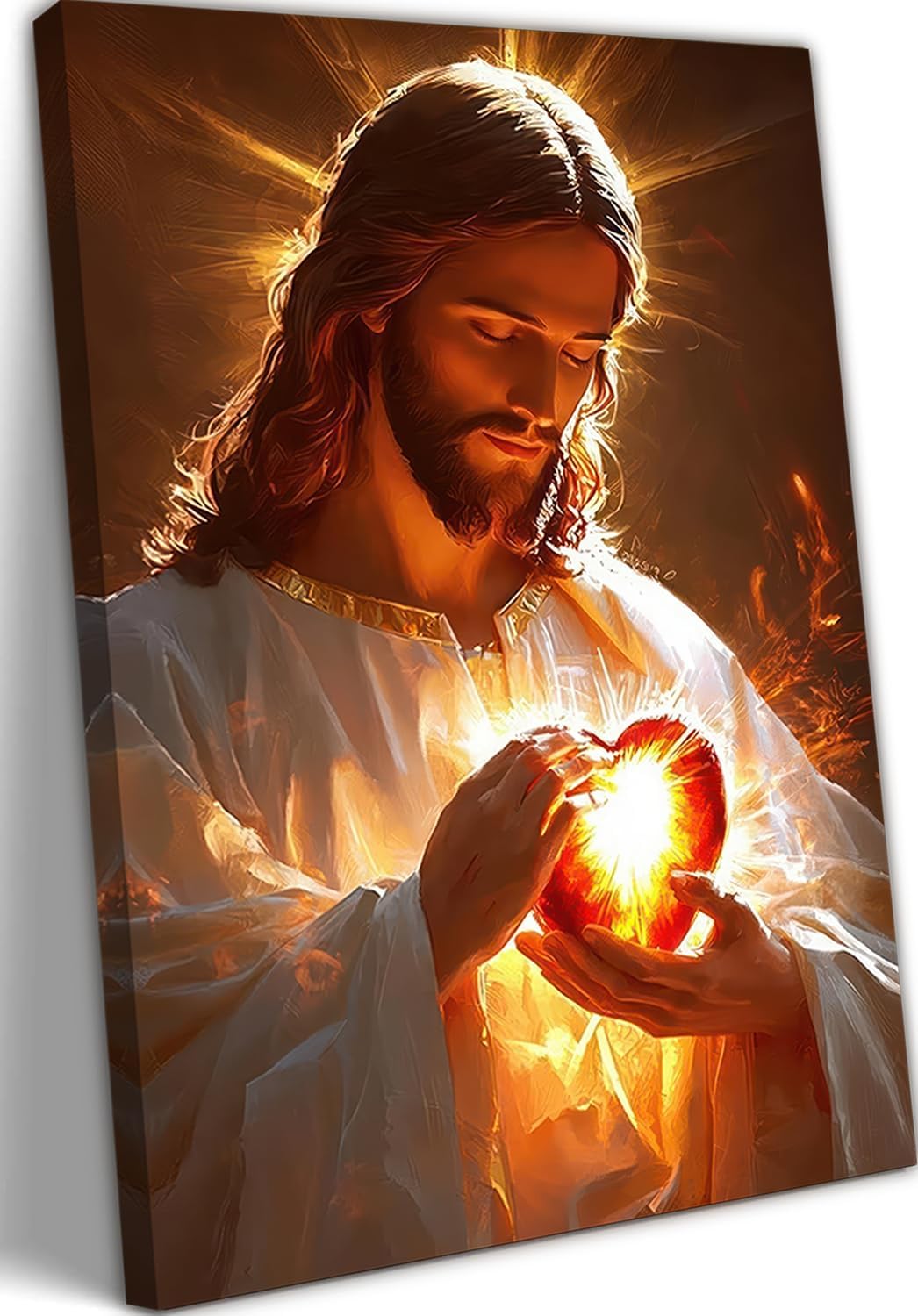
Jesus called Himself the Good Shepherd (Jn 10). He knows the sheep, leads them, and is ready to lay down His life. The shepherds in His name are called to shepherd not for selfish gain but out of love — a model clearly shown in the first letter of Peter.
Shepherd the flock of God that is among you, not under compulsion, but willingly, as God would have you… not domineering over those in your charge, but being examples to the flock.
— 1 Peter 5:2–3 (general sense)Overseer, Elder, and Their Duties
The letter to the Ephesians exhorts the overseers to care for the Church that the Holy Spirit has appointed them to guard, 'to shepherd the Church of God.' The letter to Titus lists the qualities of an overseer: a pure life, ability to teach, not arrogant. Thus, the 'leadership role' in the New Testament is connected to virtue and service of the Word of God more than a title.
Keep watch over yourselves and all the flock of which the Holy Spirit has made you overseers, to shepherd the church of God, which He purchased with His own blood.
— Acts 20:28 (reference)In the Context of the Church Today
In many Protestant congregations, the lead pastor is the main preacher and administrator; in the Catholic Church, the parish priest or bishop assumes the role of shepherd with a different constitutional structure. Whatever the title, Scripture reminds us: authority is for serving, teaching, and protecting the faith — always in communion with the whole Church, never isolated.
Summary
- Jesus is the Good Shepherd — a model for all who care for others.
- 1 Pet 5; Acts 20: shepherding with love, not domineering for personal gain.
- Overseer/elder: life, teaching, responsibility before God.
- Modern titles differ; the essence is serving the flock.