Peter (Simon Peter) is a figure with both a rich biblical narrative and ecclesial debates. Wikipedia — Saint Peter compiles archaeological findings in Rome (the tomb of Peter) and his role in Catholic, Orthodox, and Reformation traditions; Britannica — Saint Peter, the Apostle summarizes his life according to the New Testament and early traditions; New Advent — St. Peter, Prince of the Apostles presents Catholic doctrine regarding his person and the See of Rome. Key texts: Bible Gateway — Mt 16:13–20 (Peter's confession, ‘rock’); John 21:15–19 (shepherding); Acts 1–12 (the early Church).

Biblical Axis
Peter is called, tested in faith on the sea (Mt 14), confesses Christ (Mt 16), denies the Master (Mk 14), repents, is entrusted to ‘shepherd’ the flock (John 21), preaches at Pentecost (Acts 2), and plays a leading role in the Jerusalem Church. Reading Acts 10–11 (Cornelius) alongside the debate in Galatians 2 on Bible Gateway highlights the momentum of the mission to the Gentiles.
You are the Christ, the Son of the living God.
— Matthew 16:16b (reference)Do you love me? … Feed my lambs.
— John 21:15–17 (main point, reference)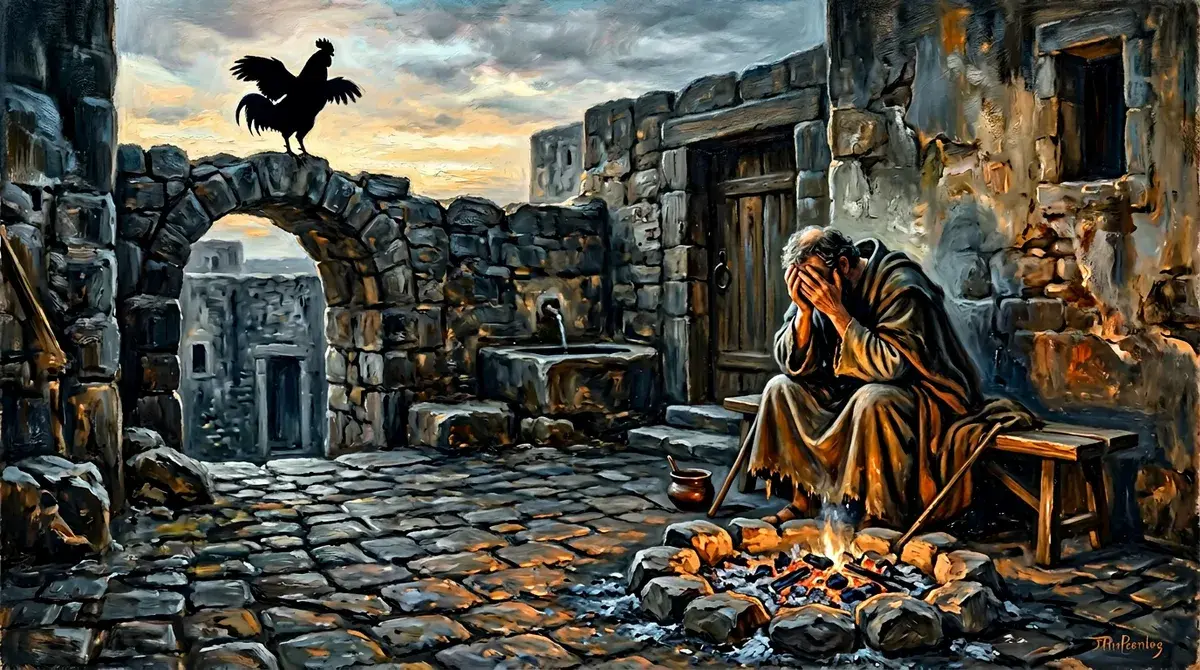
Source Analysis
Britannica briefly explains Peter's position in early history; Wikipedia lists Reformation perspectives that question the jurisdiction of the Roman bishop; New Advent defends the Catholic framework. Learners should clearly distinguish their questions: are they asking about New Testament texts, second-century traditions, or modern doctrine? Mixing these three layers can lead to misunderstandings. Exercise: summarize Mt 16:17–19 in three sentences of your own before reviewing the Wikipedia section on ‘Primacy of Peter’.
Reading Pathway
Mt 16; Mk 14:66–72; John 21; Acts 2; Acts 10–11; read in parallel with the ‘Peter’ entry in Britannica and New Advent.
Summary
- Wikipedia: multiple perspectives and Roman archaeology; Britannica: concise New Testament overview.
- New Advent: Catholic doctrine on the prince of the apostles.
- Scripture: Gospels and Acts; Gentile mission debate in Acts 10–11 and Galatians 2.
- Method: distinguish questions of biblical text, early history, and confession of faith.