Paul (Saul) is a case of having many narrative letters as well as being narrated in the Acts — encyclopedias often mention this tension. Wikipedia — Paul the Apostle is lengthy: scholarly perspectives, dating of letters, relationship with Jerusalem; Britannica — Saint Paul, the Apostle summarizes the biography of the Great Apostle, apostle to the Gentiles, legacy; New Advent — St. Paul (if the URL changes, search for it) provides the Catholic framework. Note: Bible Gateway — Acts 9 (Great Apostle); Galatians 1 (narrative). Scholarly articles on sites like Anchor Yale Bible Dictionary (often cited in Wikipedia) emphasize: do not flatten the Acts and letters into a single biography.

Acts and Letters
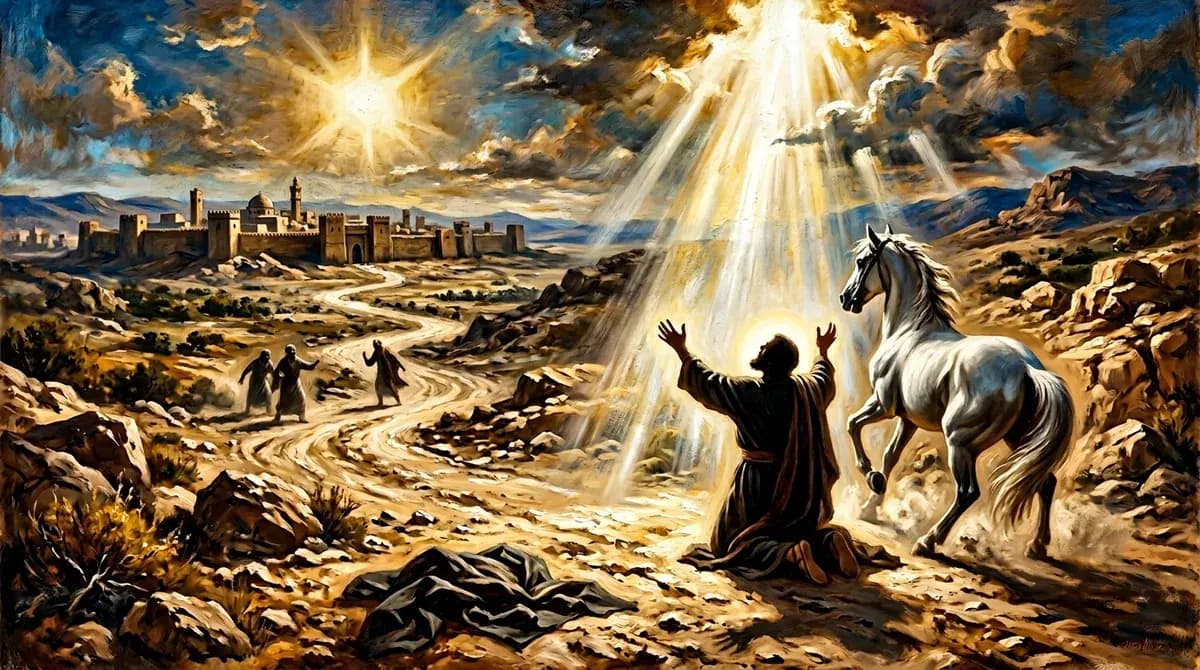
Acts 7–9: from the perspective of Stephen and Saul; chapter 9: transformation; 13–28: the apostles' journey to Rome. The main letters: Romans, 1–2 Corinthians, Galatians, Ephesians, Philippians, Colossians, 1 Thessalonians, Philemon, etc. (the order of dating is debated — Wikipedia has a table). Studying the character of Paul through a complete letter (for example, Romans) is better than just a brief encyclopedia entry.
I live, but it is no longer I who live, but Christ who lives in me.
— Galatians 2:20a (reference)Be imitators of me, as I am of Christ.
— 1 Corinthians 11:1 (reference)
Source Analysis and Methodology
Wikipedia often separates the section “Pauline letters” (authentic authorship, pseudepigrapha); Britannica gathers Western cultural heritage; New Advent emphasizes the apostle saint and feast days. In academic research, a distinction is made between Paul in Acts (as told by Luke) and Paul in letters (his own voice) — two layers that do not completely overlap. Exercise: compare Acts 22 (self-narrative before the crowd) and Galatians 1:11–24; note two overlapping points and one differing emphasis.
Pathway
Acts 9; Acts 22; Romans 1–8; 2 Corinthians 11–12 (partially); compare a section of Wikipedia on “chronology” with the actual order of the passages in the letter you are studying.
Summary
- Wikipedia: dense scholarship; Britannica: concise framework.
- New Advent: saint and mission in Catholicism.
- Study Acts + at least one complete letter on Bible Gateway.
- Distinguish ‘Luke’s Paul’ and ‘Paul’s Paul’ in research.