A Life of Faith deep dive is a structured, intentional journey combining biblical theology and psychological insights to build unshakeable belief. It transforms abstract doctrine into daily practice, guiding believers through foundational truths, inevitable struggles, and spiritual mastery over a 90-day framework.
What Is a Life of Faith Deep Dive?
A Life of Faith deep dive moves beyond superficial religiosity into profound relational trust. According to Hebrews 11:1, faith is the substance of things hoped for and the evidence of things not seen.
"Now faith is the substance of things hoped for, the evidence of things not seen." (Hebrews 11:1)
Modern psychology reveals that belief formation requires cognitive engagement, emotional resonance, and behavioral reinforcement. This 90-day framework integrates these elements. The first thirty days establish the Foundation through daily scripture and catechesis. The next thirty days address the Struggle, confronting digital distractions and cultural anxieties. The final thirty days focus on Growth and Mastery, where faith becomes an intuitive, lived reality. By merging ancient Catholic wisdom with contemporary neuroscience, believers rewire their neural pathways for sustained spiritual focus, transforming fleeting emotions into enduring theological convictions.
How Does Faith Develop Across the Lifespan?
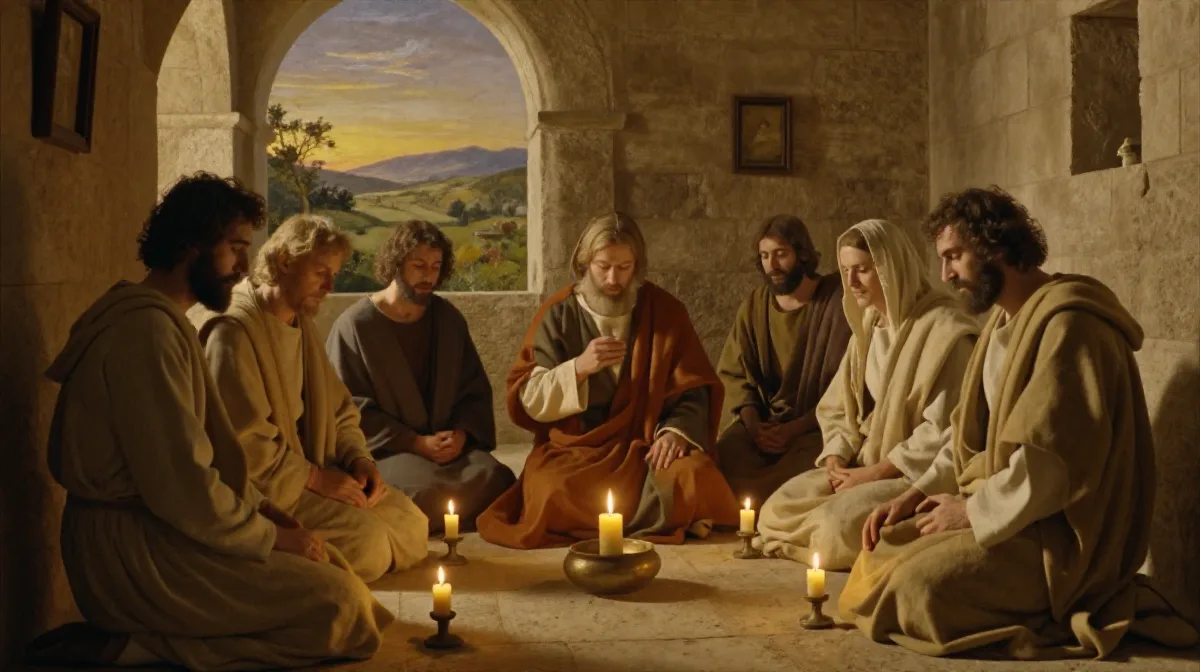
Faith is not static; it evolves dynamically across human development. In youth, faith is often inherited and highly emotional, relying on community and sensory experiences like the sacraments. As believers enter adulthood, cognitive dissonance and intellectual questions naturally arise, necessitating a transition from inherited to owned faith. This stage requires rigorous theological study and honest doubt.
In later aging, faith matures into a contemplative trust, focusing on legacy, surrender, and the hope of eternal life. Understanding these stages prevents frustration during spiritual plateaus. When a young adult experiences a crisis of belief, it is often a necessary developmental milestone rather than a failure. By recognizing these psychological and spiritual seasons, Christians can mentor others more effectively, providing age-appropriate guidance that meets individuals exactly where they are in their lifelong journey toward God.
Why Do Believers Experience Spiritual Dryness?
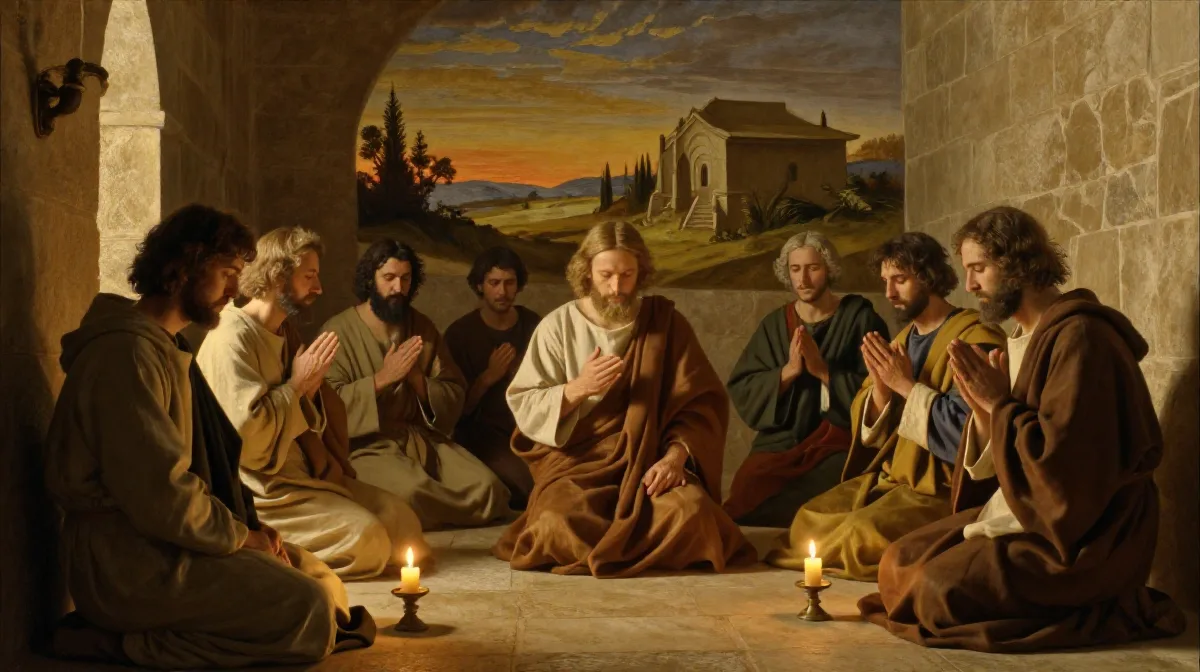
Spiritual dryness and doubt are not signs of failing faith, but rather invitations to deeper reliance on God. When emotional consolations vanish, believers are forced to practice pure faith. The prophet Habakkuk declared, "The just man shall live by faith" (Habakkuk 2:4), emphasizing endurance over feeling.
Neuroscience explains that the brain habituates to repetitive stimuli, which is why initial spiritual fervor often fades. To overcome this, the 90-day journey introduces troubleshooting practices. Believers must combat digital distraction by implementing tech-free prayer periods, reducing dopamine overload that fractures attention. Furthermore, integrating physical disciplines like fasting or mindful walking prayers re-engages the body-spirit connection. By normalizing dryness as a purifying process, Christians learn to seek the God of consolations rather than just the consolations of God, forging an unshakeable belief rooted in will rather than emotion.
How Can We Apply Faith in Modern Daily Life?
Applying a deepened life of faith requires integrating belief with daily works and modern challenges.
Integrating Faith and Works
James 2:17 reminds us that faith without works is dead. In a culture plagued by anxiety and rapid technological change, practical application means grounding daily routines in sacramental living. This involves starting the day with a brief examen, viewing workplace interactions as opportunities for grace, and practicing digital minimalism to protect mental space for the Holy Spirit.
Real testimonies from diverse believers show that those who thrive intentionally schedule their spiritual practices just as they do professional obligations. By building micro-communities for accountability and mentoring newer believers, individuals solidify their own understanding. Ultimately, living out faith in everyday life transforms ordinary moments into encounters with the divine, proving that true belief is both a profound internal reality and a visible external action.
Key Takeaways
- Faith development requires moving from inherited beliefs to personally owned theological convictions.
- Spiritual dryness is a normal psychological and spiritual phase that builds resilient, will-based trust.
- Combating modern digital distraction through tech-free prayer restores cognitive focus for deep belief.
- Integrating faith with daily works and community accountability solidifies long-term spiritual growth.
Conclusion
Embarking on a Life of Faith deep dive is a transformative commitment to knowing God more intimately. By embracing a structured 90-day journey, believers equip themselves to navigate modern anxieties, overcome spiritual dryness, and develop a mature, unshakeable belief. This synthesis of biblical truth and practical psychology ensures that faith is not merely a Sunday obligation, but the very lens through which all of life is viewed and lived.