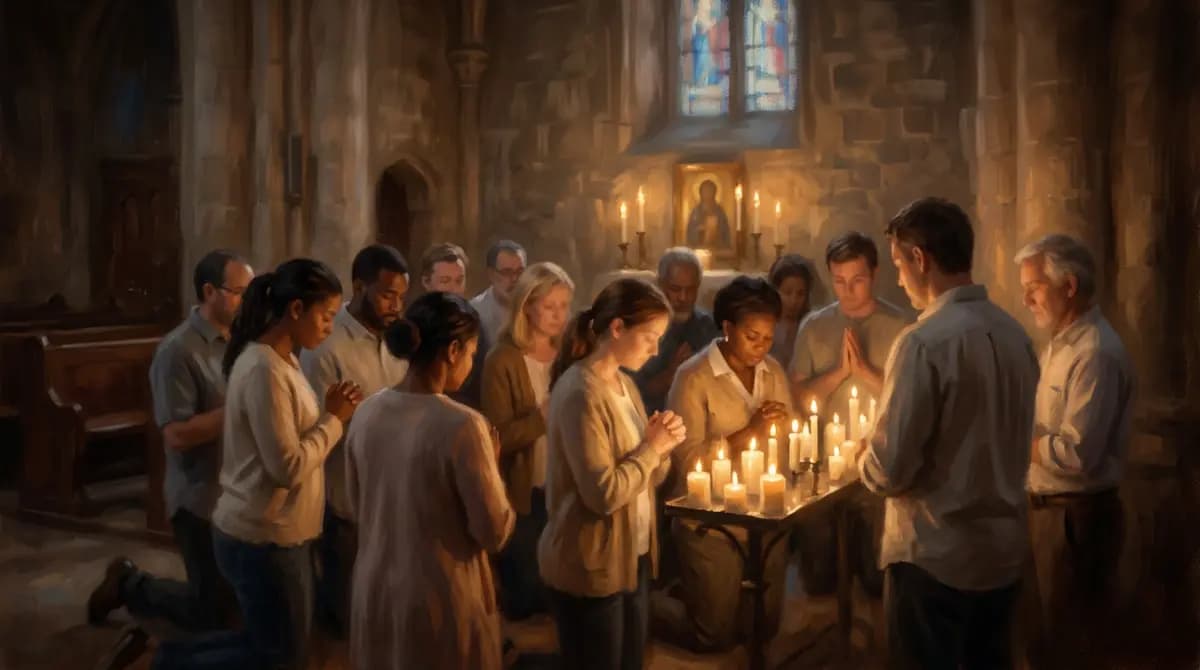
Vietnamese often translates ekklesia (ἐκκλησία) as Church. The root suggests an assembled community—in the Greek world it could refer to a popular assembly or a council of citizens. When the New Testament authors borrowed this word, they described those gathered by God through the Gospel, not merely a self-selected group. That is why “going to Mass” and “being the Church” are not separate: ekklesia is the living presence of God’s people.
Ekklesia and Christ
Saint Paul calls the Church the Body of Christ (see 1 Cor 12). Each member is a part; the whole is united with the Lord as head. The vocabulary of ekklesia emphasizes a calling out (ek = out, kaleo = call): we do not establish the Church ourselves but respond to God in baptism and communion. Therefore, understanding the Greek term helps avoid the image of a “voluntary club” in place of holy communion.
Local and Universal
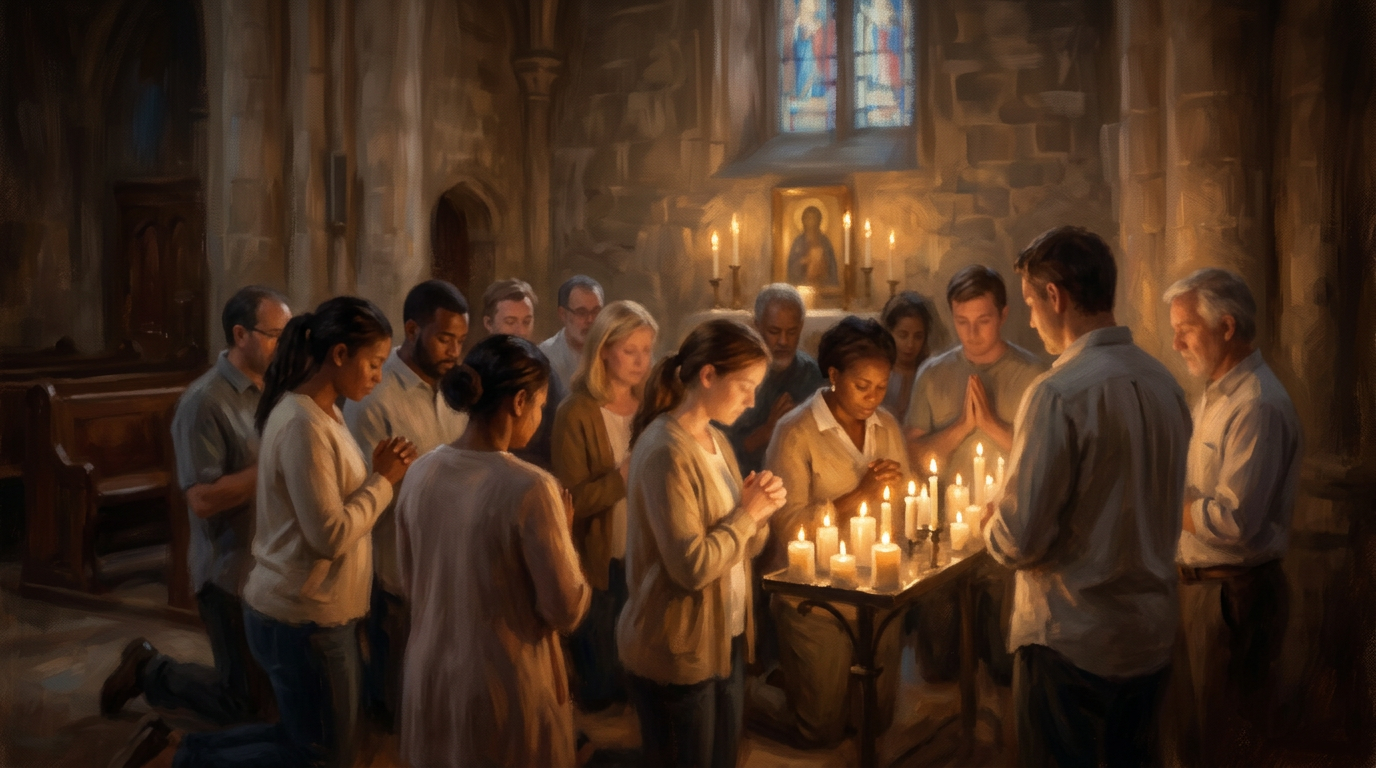
The New Testament speaks of ekklesia in a city (Rome, Corinth…) and of one Church. The two levels are not contradictory: each community is a local manifestation of one body. Today, being attached to a parish, a diocesan bishop, and communion with the Pope expresses the true meaning of ekklesia more than simply “finding a group one likes” online.
Avoiding Common Misunderstandings
Some views reduce ekklesia to “merely an invisible gathering” or “just a church building.” Both are off: the Church is a mystery—present in the Sacraments, the Magisterium, and a structured community. Etymology does not replace the Catechism about one, holy, catholic, apostolic—but rather reinforces reading Scripture responsibly.
Application for Life
When we read “Church” in the Gospel, we can ask: how does this verse invite us into communion with brothers and sisters, with ministers, with the poor? Ekklesia does not close in on “personal meaning” but opens us to responsibility in love and service. That is the seed of a healthy parish life.
“The body is not one part, but many parts.”
— 1 Cor 12:14 (linking ekklesia to the body)