The topic of the deacon in the modern Catholic Church is usually based on two key points: (1) Lumen Gentium 29 — the restoration of the diaconate as a proper rank in the hierarchical order; (2) Catechism §§1569–1571, which should be read together with the section on the three degrees of Holy Orders. This article synthesizes the role of “servant leadership,” avoiding confusion with the priest or purely administrative titles. Sources: vatican.va and the approved edition of the CCC.

Lumen Gentium 29: Restoration Not an “Accessory”
LG 29 emphasizes that the diaconate was restored in the Western Church by Vatican II, linked to pastoral needs and apostolic tradition. It is not merely a “temporary lower rank” preparing for the priesthood (though there is a transitional path), but a rank and mission with its own character. It should be read within the chapter on the hierarchical structure, not separated from the bishop and priest.
CCC §§1569–1571: Christ the Servant
The CCC describes the deacon’s ordination to serve the Word of God, the liturgy (especially the altar), and charity — three aspects that are unified, not a choice of one. Thus it highlights Christ the Servant, unlike the priest who is configured to proclaim and celebrate the Body and Blood with the authority of the full ministerial priesthood. In the Mass, the tasks entrusted to the deacon (proclaiming the prayers, receiving the offerings, serving at the altar, distributing the Eucharist when permitted by law…) all serve the same image of Christ the Servant. The distinction from the priest explains why the law and liturgical books clearly define the limits of the presider, protecting the mystery and communion.
Permanent and Transitional Deacons
The Church has permanent deacons and those ordained to the priesthood (transitional); both receive the same sacrament at the diaconal level. Avoid separating the “two types” into opposing realities: the focus is diakonia in communion with the bishop and the priest.
In Parish Life
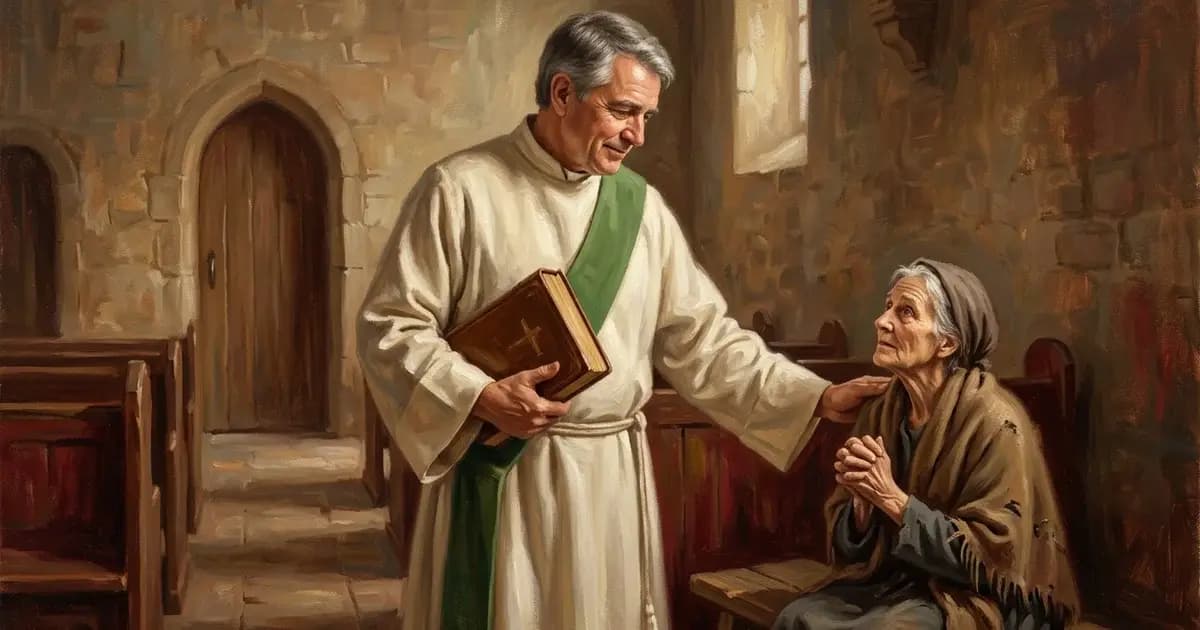
Deacons often proclaim the Gospel (when appointed), assist at Mass and the sacraments as permitted by law, and engage in charity — under the authority of the diocesan shepherd. They should read the guidelines of the bishops’ conference (e.g., USCCB on formation and safety) together with the CCC and LG, not just oral tradition.
Three Degrees, One Sacrament of Holy Orders
Bishop, priest, and deacon are three degrees of the same sacrament — not three “companies” competing for authority. The deacon does not “own” a parish but serves in communion, connecting the parish to the bishop. Two common errors: viewing the deacon as a “lesser priest” or expecting him to preside at Mass — both contrary to doctrine. When studying the CCC section on Holy Orders, one should read the whole of the three degrees.
Scripture and Service Today
The Catechism often relates the deacon to the model of Acts 6 — choosing men filled with the Holy Spirit to serve at table as a theological model, not a legal copy in every detail. The whole People of God are called to a life of service; the deacon makes this visible through Holy Orders, not replacing or diminishing the laity’s responsibility but highlighting the servant aspect of Christ. The deacon makes the servant face of Christ tangible through the Word, the altar, and the needy — avoiding seeing him merely as an “administrative assistant” or confusing him with the presiding role.
Conclusion
According to LG 29 and the CCC, the deacon is ordained to serve the Word of God, the altar, and the poor — shining forth Christ the Servant in the communion Church. This article does not replace the original texts; consult vatican.va and the official CCC.
Primary References
- Lumen Gentium 29 — Vatican II (1964).
- Catechism of the Catholic Church — §§1569–1571 and section on Holy Orders (three degrees).
- vatican.va and guidelines of local bishops' conferences.