Introduction
The BBC’s new landmark Jesus documentary explores Christ’s life through historical research and archaeological insights. While secular media approaches Scripture academically, this series offers Christians a chance to deepen their understanding of the historical Jesus. Believers should engage such programs by anchoring faith in the inspired Gospels.
As modern audiences encounter these productions, it becomes essential to distinguish between academic speculation and theological certainty. The Church welcomes scholarly inquiry that illuminates the ancient Near East, yet she firmly maintains that the biblical accounts of Christ’s life, death, and resurrection are divinely inspired. By approaching secular media with both intellectual curiosity and spiritual discernment, Christians can extract valuable historical context without compromising the sacred truths that form the foundation of our faith and eternal salvation.
What is the BBC Jesus Documentary?
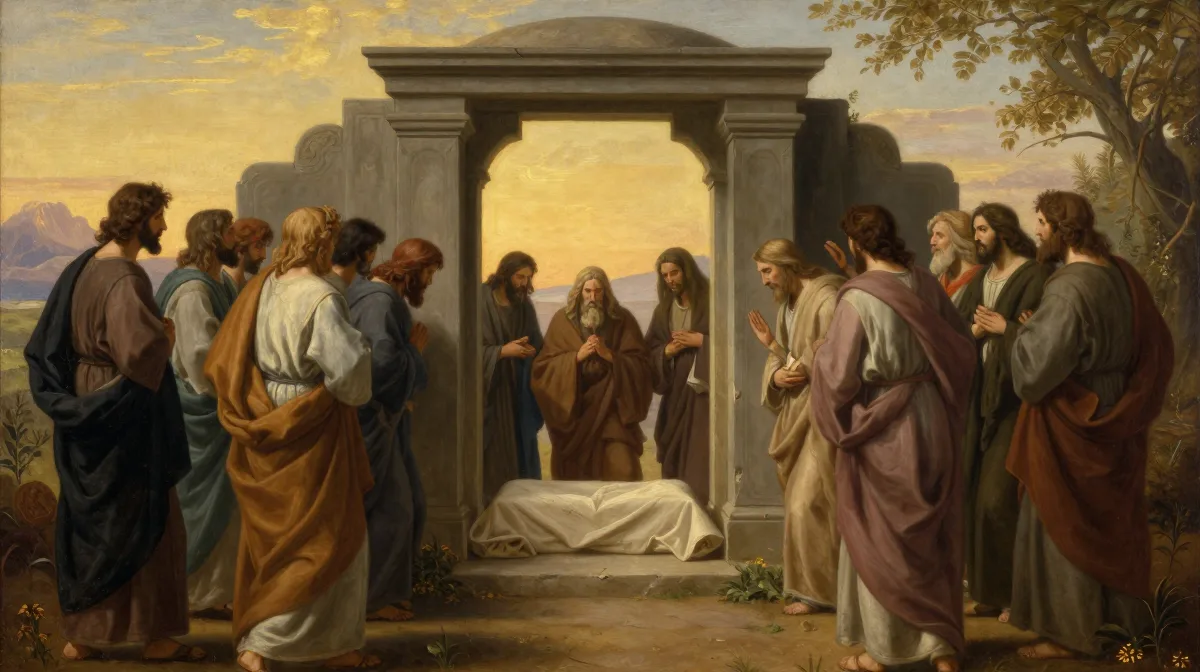
This recent production examines the cultural, political, and religious landscape of first-century Palestine to reconstruct the daily reality of Jesus of Nazareth. By consulting historians, archaeologists, and biblical scholars, the series highlights how Roman occupation, Jewish messianic expectations, and regional customs shaped the world into which Christ was born. The documentary carefully distinguishes between established historical facts and theological interpretations, presenting a narrative that respects academic rigor while acknowledging the profound mystery of the Incarnation. For viewers seeking clarity, the program serves as an educational bridge between ancient history and modern faith. It demonstrates how the earthly context of Christ’s ministry illuminates the timeless truths of salvation history, inviting believers to see the Gospels not as isolated myths but as grounded testimonies.
Why Did the Evangelists Structure the Gospels?
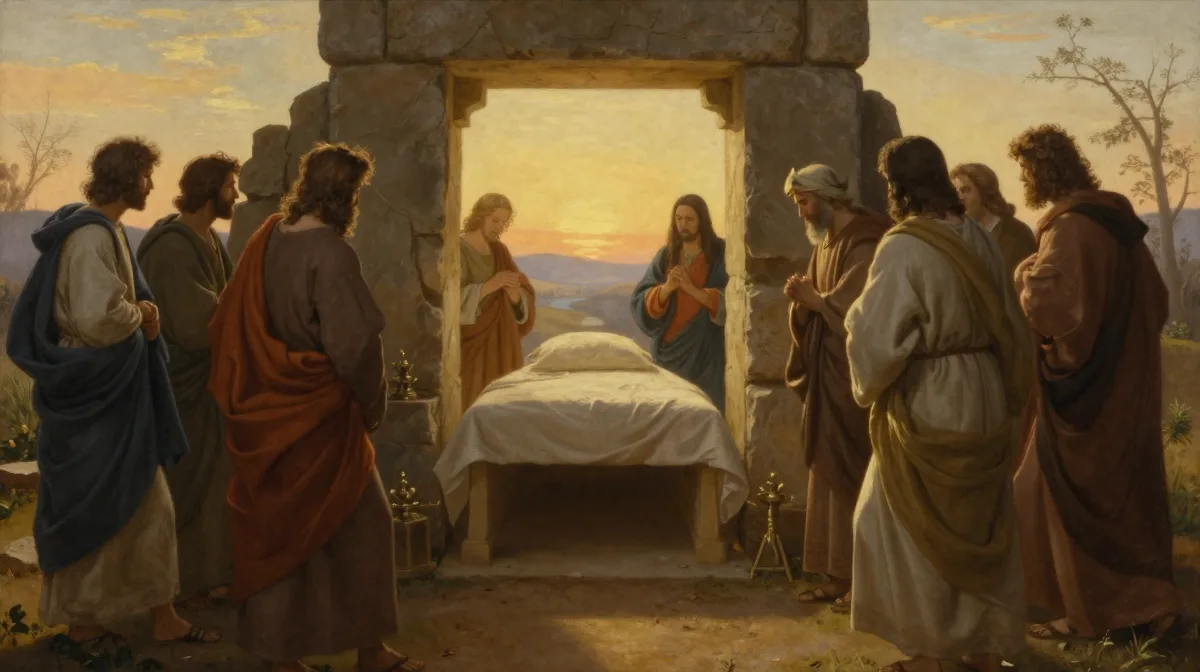
The Evangelists wrote with a distinct theological purpose, selecting events that reveal Christ’s divine identity and redemptive mission. According to Luke 1:3-4, the Gospel writer investigated everything carefully to provide an orderly account so that readers might know the certainty of what they had been taught. This intentional curation means that Scripture prioritizes salvific truth over exhaustive biographical detail. When secular documentaries analyze historical gaps or cultural nuances, they often overlook the inspired intent behind the biblical narrative. The Church teaches that the Gospels are faithful witnesses to the life of Christ, guided by the Holy Spirit to convey what is necessary for our salvation. Understanding this distinction helps Christians appreciate historical documentaries as supplementary tools rather than definitive authorities, preserving the sacred character of the biblical text while remaining open to scholarly discovery.
How Does Secular Media Influence Biblical Understanding?
Discerning Truth Through Faith and Reason
Faithful engagement requires discernment, intellectual humility, and a firm grounding in Catholic tradition. When watching historical programs about Christ, believers should evaluate claims through the lens of Sacred Tradition and the Magisterium’s teachings. It is entirely appropriate to acknowledge archaeological findings that corroborate biblical accounts, such as the Pilate Stone or the Nazareth Inscription, while gently rejecting narratives that reduce Jesus to a mere moral philosopher. The Church encourages the use of reason and historical study to enrich faith, provided they remain subordinate to divine revelation. As believers navigate modern media, they must remember that Christ is not simply a historical figure but the living Word who continues to speak through Scripture, sacrament, and prayer. Engaging thoughtfully allows Christians to witness to the truth while remaining open to legitimate scholarly dialogue.
“I am the way, the truth, and the life. No one comes to the Father except through me.” (John 14:6)
Key Takeaways
- Historical documentaries provide valuable cultural context but should never replace the inspired authority of the Gospels.
- The Church fully supports the integration of reason, archaeology, and historical research to illuminate biblical truth.
- Christians must evaluate secular media through the lens of Sacred Tradition, Magisterial teaching, and personal prayer.
- Engaging with scholarly content can strengthen apologetics and deepen evangelization when approached with theological discernment.
Conclusion
The BBC’s exploration of Christ’s life offers a compelling window into the ancient world, yet it remains a human endeavor bound by academic methodology. As Catholics and Christians, we are called to view such documentaries not as final authorities, but as invitations to return to the living Word. The Gospels remain the definitive witness to Jesus of Nazareth, revealing Him as both fully human and fully divine. By grounding our study in Scripture and tradition, we can appreciate historical insights while maintaining unwavering confidence in the resurrection. May every scholarly discovery lead us deeper into the mystery of Christ, who continues to guide His Church through every age. As we go forth, let us remember the Great Commission to teach all nations, trusting that the truth of the Gospel will endure long after any documentary fades from memory (Matthew 28:19-20).