Introduction: What Is the Promise of Power from the Ascended Jesus?
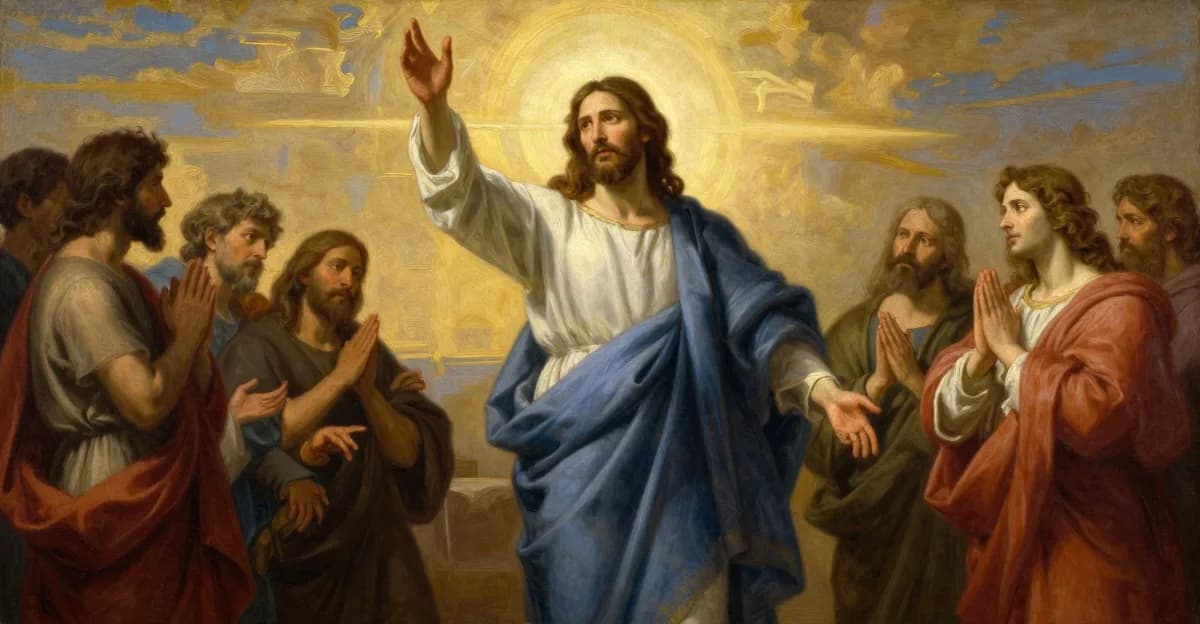
Jesus’ Ascension was not a departure but a divine strategy to release the Holy Spirit’s power upon the Church. By returning to the Father, Christ fulfilled the necessary condition for the Paraclete’s outpouring, transforming waiting disciples into empowered witnesses. This promise remains active for every believer today.
The Gospels and Acts reveal that Christ’s physical withdrawal was always intended to catalyze a greater spiritual reality. Rather than leaving His followers abandoned, the Lord repositioned Himself at the right hand of the Father to pour out grace upon all flesh. Understanding this heavenly transition changes how we approach prayer, mission, and daily discipleship in the modern Church.
Core Analysis: Why Did Jesus’ Departure Unlock the Holy Spirit’s Power?
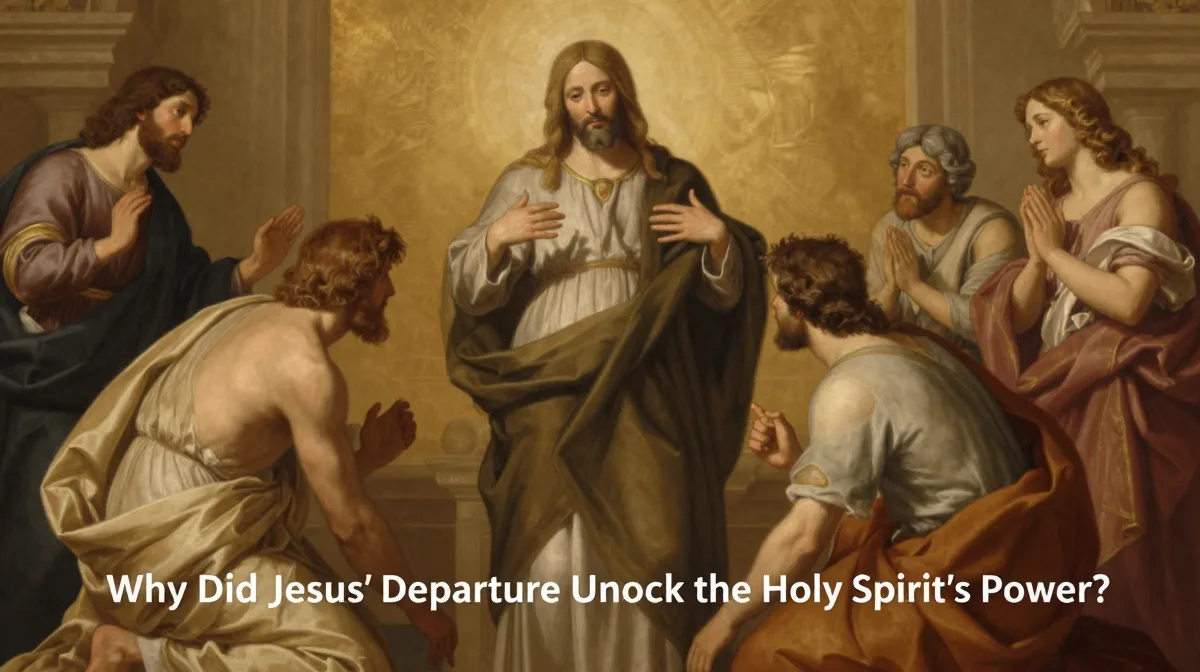
Catholic theology recognizes the Ascension as the glorious completion of the Incarnation and the necessary gateway for Pentecost. According to John 16:7, Jesus declares:
“Unless I go away, the Advocate will not come to you; but if I go, I will send him to you.”
This statement establishes a profound causal link. Christ’s localized earthly presence had to yield to a universal spiritual indwelling. By ascending, Jesus presented His glorified humanity to the Father, securing the eternal covenant and opening the floodgates of divine grace. The Father’s gift, anticipated in Luke 24:49, could only be distributed once the Son was fully enthroned. Consequently, the Ascension transforms Christ’s presence from geographical to sacramental, allowing the Holy Spirit to dwell within every baptized soul across every generation.
Resurrection Power vs. Ascension Power
Distinguishing these two graces clarifies God’s redemptive architecture. Resurrection power conquers sin, heals spiritual brokenness, and imparts new life to the human soul. Ascension power, however, is fundamentally missional. It equips the redeemed for evangelization, spiritual authority, and Kingdom building. One restores the believer inwardly; the other sends the believer outwardly. Both are essential, but the Ascension specifically activates the Church’s public witness.
Practical Application: How Does the Waiting Period Prepare Believers for Divine Strength?
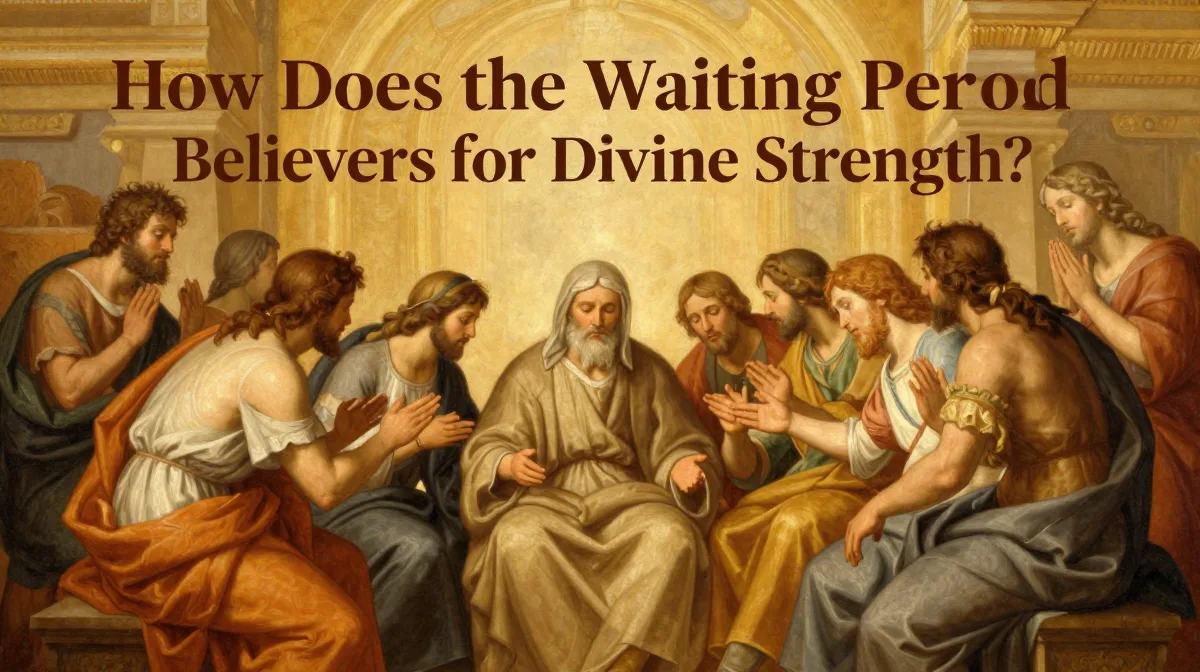
Before the upper room was filled with wind and fire, the disciples were commanded to remain in Jerusalem and wait. This biblical waiting was never passive resignation; it was an active posture of prayer, unity, and holy expectancy. Modern believers access the same promise by cultivating deliberate spiritual stillness. Begin by surrendering self-reliance through daily examination of conscience and frequent reception of the Eucharist. Create uninterrupted space for silent prayer, allowing the Holy Spirit to align your ambitions with Christ’s mission. Engage faithfully in communal worship, recognizing that the Paraclete moves powerfully where the Body gathers in one accord. Finally, step forward in obedient action. As recorded in Acts 1:8:
“You will receive power when the Holy Spirit comes on you; and you will be my witnesses.”
Divine strength follows divine promise, but it is activated through cooperative grace. When you cease striving and begin abiding, the Ascended Lord supplies courage that transcends human limitation.
Key Takeaways
To fully grasp how the Ascended Lord equips His Church, we must distill these theological realities into clear, actionable truths. These essential principles summarize how Christ’s heavenly reign directly impacts your daily walk, spiritual authority, and capacity for evangelization. Keep these foundations central as you navigate your faith journey.
- Jesus’ Ascension was the theological prerequisite for the Holy Spirit’s universal outpouring.
- Resurrection power renews the soul inwardly, while Ascension power commissions believers for outward mission.
- Active waiting through prayer, sacraments, and community prepares the heart to receive divine strength.
- The promise of power is activated not by human effort but by faithful cooperation with the Spirit.
Conclusion
The Ascended Jesus did not abandon His Church; He assumed His eternal priesthood to continually send the Spirit upon His people. The sacred interval between Ascension and Pentecost remains a living blueprint for Christian discipleship across every generation. When we embrace holy expectancy, surrender our personal timelines, and open our hearts to the Paraclete, we step into the very power that launched the apostolic age. Christ’s departure was never an ending. It was the beginning of your empowerment. Walk in that promise today, and let the Holy Spirit transform your patient waiting into bold, grace-filled witness for the Kingdom.