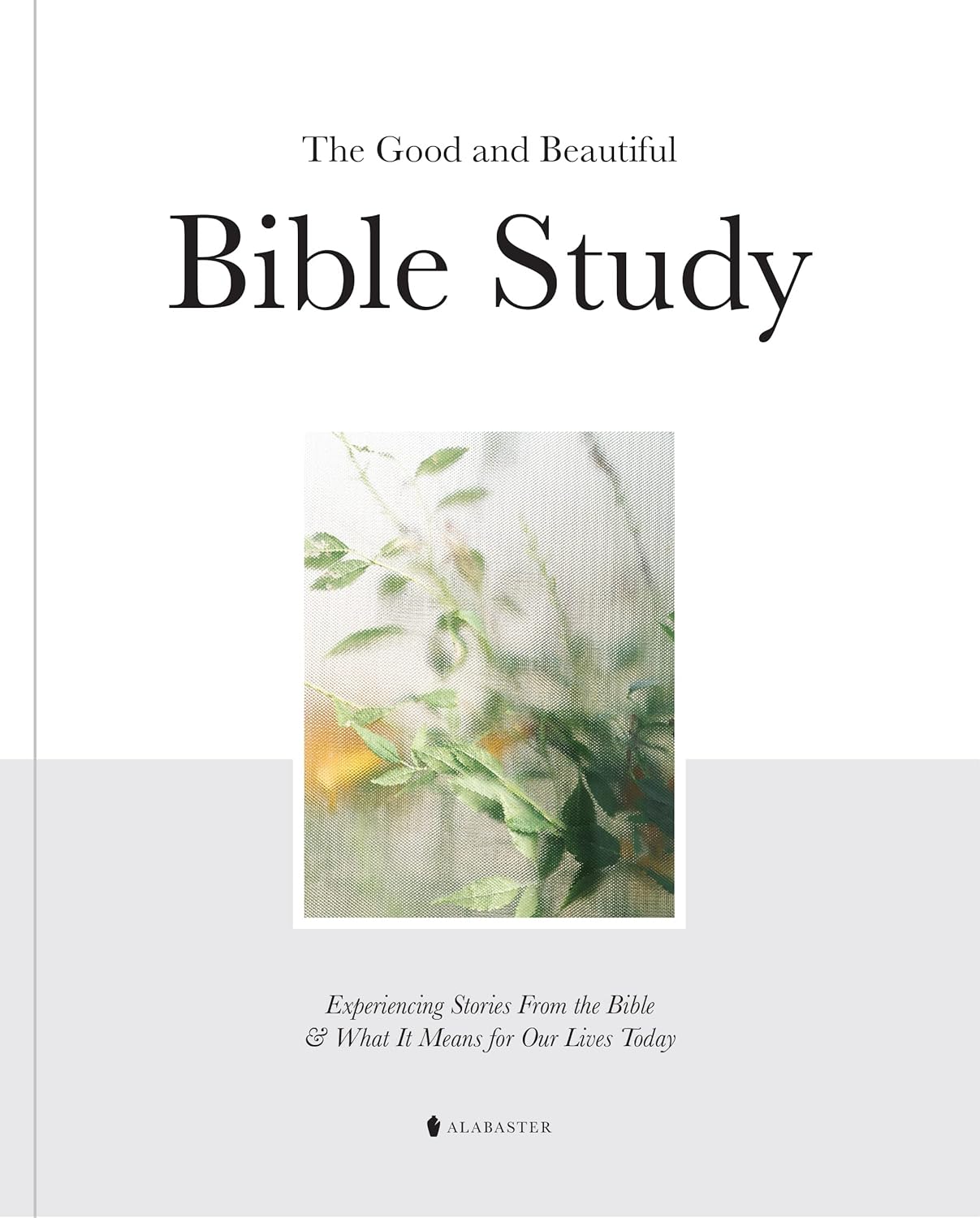
Newcomers often ask: which translation is the most accurate? A fair answer is that all translations are intermediaries from Hebrew, Aramaic, and Greek into the vernacular; “accuracy” depends on the purpose — for worship, language learning, or in-depth study. The Catholic Church encourages the use of the complete Bible in the approved list (imprimatur / the index appropriate to the local church). The article many translations has outlined a general framework; here is a summary for newcomers.
Formal equivalence vs dynamic equivalence
A word-for-word translation (formal) is helpful for reference but can sometimes be rigid; a thought-for-thought translation (dynamic) is easier to read but requires caution when reflecting on academic discussions. Neither type is absolutely “bad” — what matters is knowing what you are holding. For Vietnamese, ask your parish priest or the diocesan bookstore for the recommended edition.

A simple pathway
Step 1: use an approved version + one with a brief introduction. Step 2: read the Gospels and the Letter to the Romans or the Sunday readings. Step 3: when going deeper, add commentary books or academic Bibles — they do not replace the Bible but help provide context. Avoid purchasing a version lacking Catholic books and thinking it is “enough Bible” — see the Catholic list.
If you are bilingual in English and Vietnamese, you can compare a passage from the Gospels between two approved versions to sense the differences between formal/dynamic; this may take time initially but helps avoid misunderstandings when later reading the epistles or prophetic books, where legal and metaphorical language is denser.
Official sources instead of rumors
This article does not replace pastoral teaching or the complete Catechism. When verifying, refer to the Compendium of the Catechism and the Vatican II documents — especially Dei Verbum for questions about the Scriptures. Websites claiming to be “Catholic catechesis” without verifiable sources are insufficient as a basis for faith or morals. We do not endorse false citations or unverified “saint sayings”; references here point to publicly published documents. If there is a discrepancy with the current Catechism, the text of the Catechism takes precedence.
In summary
- Select a version from the Church's list, with imprimatur when possible.
- Understand formal/dynamic to set the right expectations.
- Start with the Gospels + the liturgy; add commentary when needed.